Dock count, trailer stalls and ramp distance decide whether a distribution building earns its rent, and on the east side of the metro the ramp is E-470. The tollway runs 46.95 miles with 19 ramp toll interchanges, and Aurora's exits at Smoky Hill Road, Quincy Avenue, 6th Parkway and I-70/Colfax Avenue each make a different drive-time promise to a carrier. We build for logistics owners who count in doors and minutes and who need the building and the truck court designed as one machine.
Demand is arriving from several directions. The Aerotropolis Regional Transportation Authority is building roads across about 21,000 acres south of Denver International Airport, with studies citing 40 million square feet of industrial and commercial space and 170,000 jobs at build-out. Port Colorado's 6,500 acres run along the Union Pacific Railroad, and in Parker two shallow-bay buildings totaling about 133,133 square feet near Compark Boulevard and Chambers Road had their groundbreaking reported in May 2026, with access to E-470 and I-25.
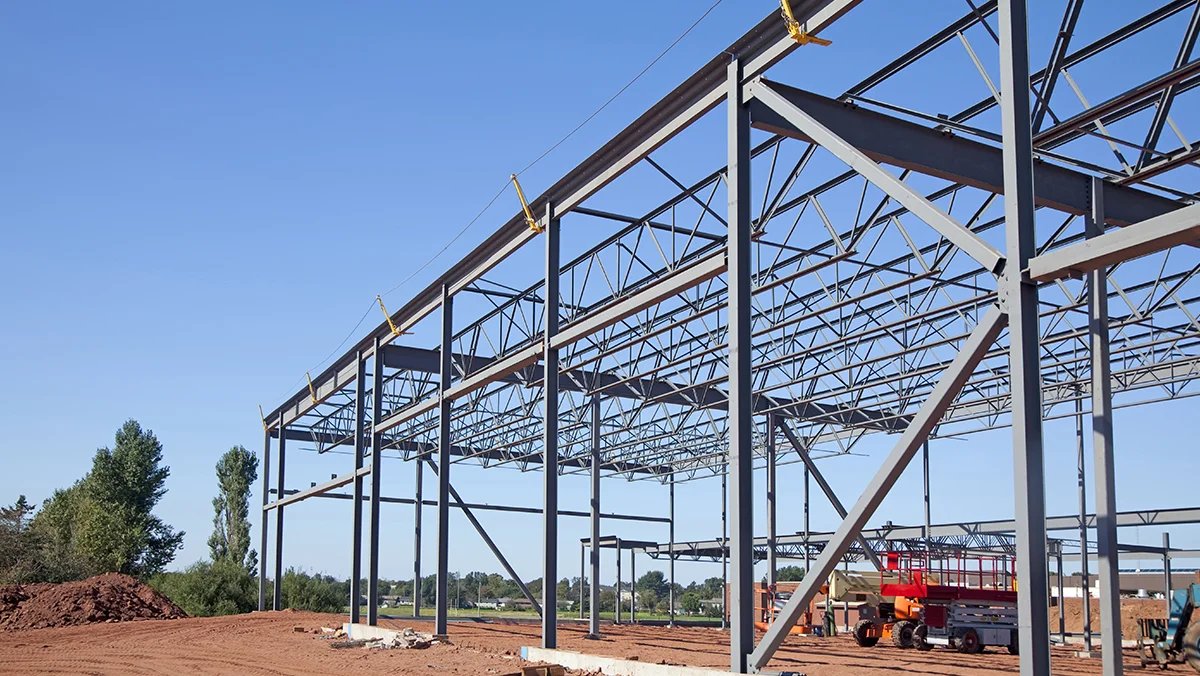
Our scope runs from warehouse shell construction to distribution center expansions, and we grade, pave and light the yard so trucks can start on day one.
Reading the east-side logistics map
Think of the metro as four lanes. E-470 east and south of Aurora feeds the airport and interstate network, including exit 28 at Peña Boulevard for Denver International Airport and exit 20 where I-70 meets the tollway. Rail-served sites cluster near Manila Road and I-70, where the 620-acre Rocky Mountain Rail Park sits. Castle Rock holds the south lane, with BNSF and Union Pacific freight lines running parallel to U.S. 85 and I-25 meeting U.S. 85 at Exit 184. The north lane runs through Brighton on U.S. 85 and State Highway 7.
Each lane trades drive time, rail access and site size differently, and we help owners compare them with a short list of dock counts, trailer positions and truck-court depth instead of a brochure. Our work in the E-470 corridor shows one answer to the question, and Castle Rock shows a very different one, because freight rail and an I-25 interchange change what a parcel is worth to a carrier.
Buildings we deliver for logistics owners
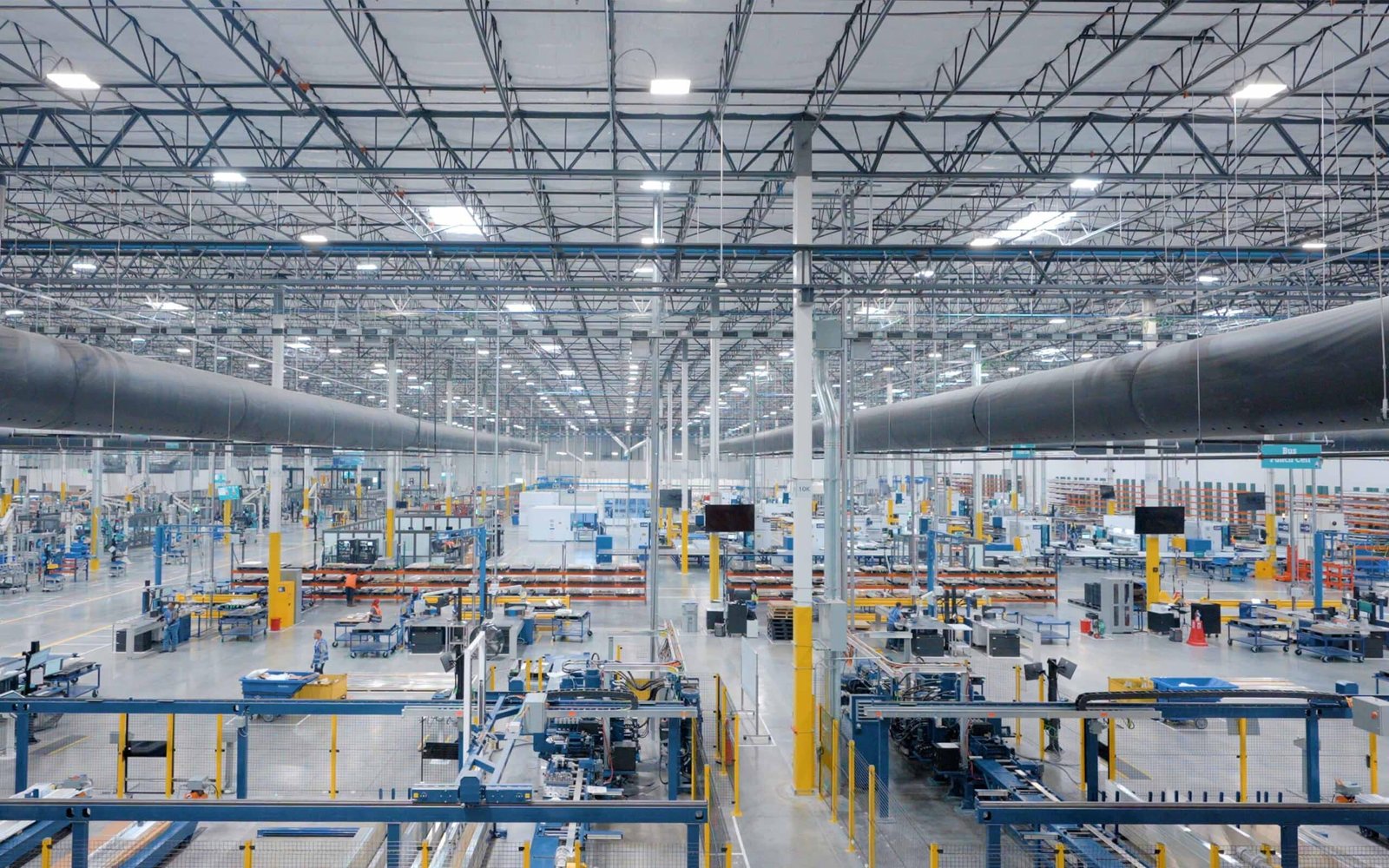
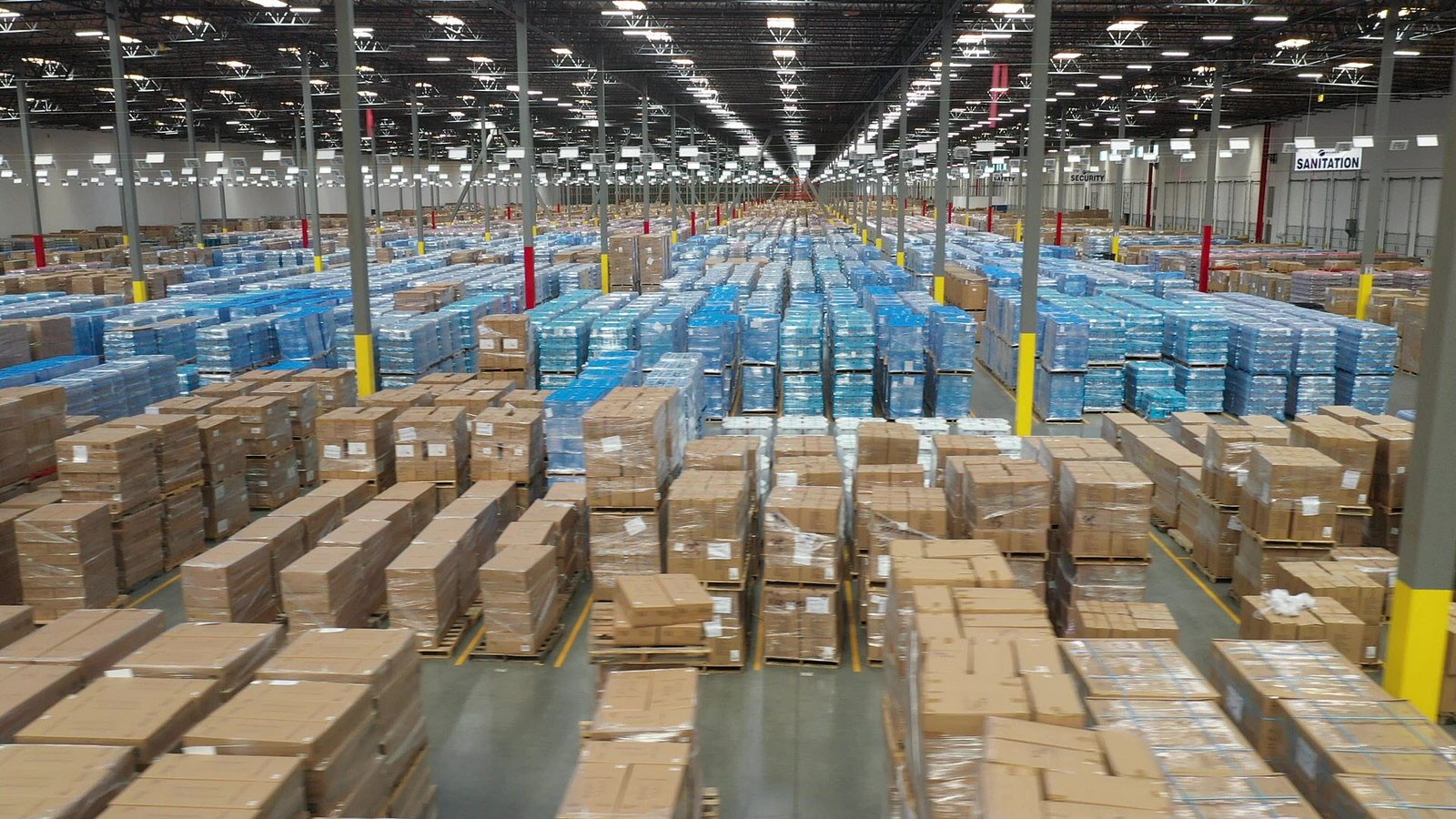
A distribution center is the main product: a tall clear-height building with cross-dock or front-load docks, trailer parking on the far side and a truck court deep enough for a 53 foot trailer to turn. Cross-dock layouts split the doors across two sides and need yard on both. Front-load layouts put more floor behind each door and keep the trailer yard to one side.
For tenants who move freight but do not store it, a truck terminal or cross-dock trims the building to a long, narrow dock with a heavy apron. Many owners also want a flex wing for offices, light assembly or returns processing, and we attach that to the main box so the whole building can be leased in pieces if plans change.
Truck court, apron and dock: the parts that fail first
The building gets the attention, but the pavement and apron take the damage. Landing gear punches into asphalt, loaded tractors turn sharply at the dock, and water left sitting under a trailer bay wrecks a joint early. We build the truck court and trailer yard with concrete where trailers park and a flexible or rigid section where they only drive, and we set slopes to carry water away from the doors.
Dock hardware is part of the base scope, not an afterthought. Bumpers, levelers, shelters and pit details are installed with the slab, and aprons are poured with dowelled joints and sealed edges so forklifts and trailers cross them cleanly. Rail-served owners add a spur and a transload dock, which we coordinate inside the same grading plan.
Schedules measured in door counts
A spec distribution building moves from mass grading to shell in a sequence we plan by door count and square footage. On smaller sites the dock apron and truck court can be built while the walls rise. Larger sites phase the yard so trucks can start loading at the first completed bay. We run a three-week look-ahead and track pours, panel erection and roof completion against a single critical path.
Winter matters. Concrete placed in freezing weather needs blankets, heaters or admixtures, and we price winter protection into every east-side job so a cold snap does not become a change order. We also split utility and fire water work from the building, so the water loop is inspected while the walls are going up and the sprinkler riser is ready when the roof closes.
Where we build for logistics owners
Our logistics work spans Aurora, Parker, Brighton, Castle Rock and the I-70 edge near Bennett and Strasburg. Strasburg sits along I-70 on the far east side of the metro and Bennett lies just north of the interstate where State Highways 36 and 79 meet, so both fit owners who want room for long trailer yards.
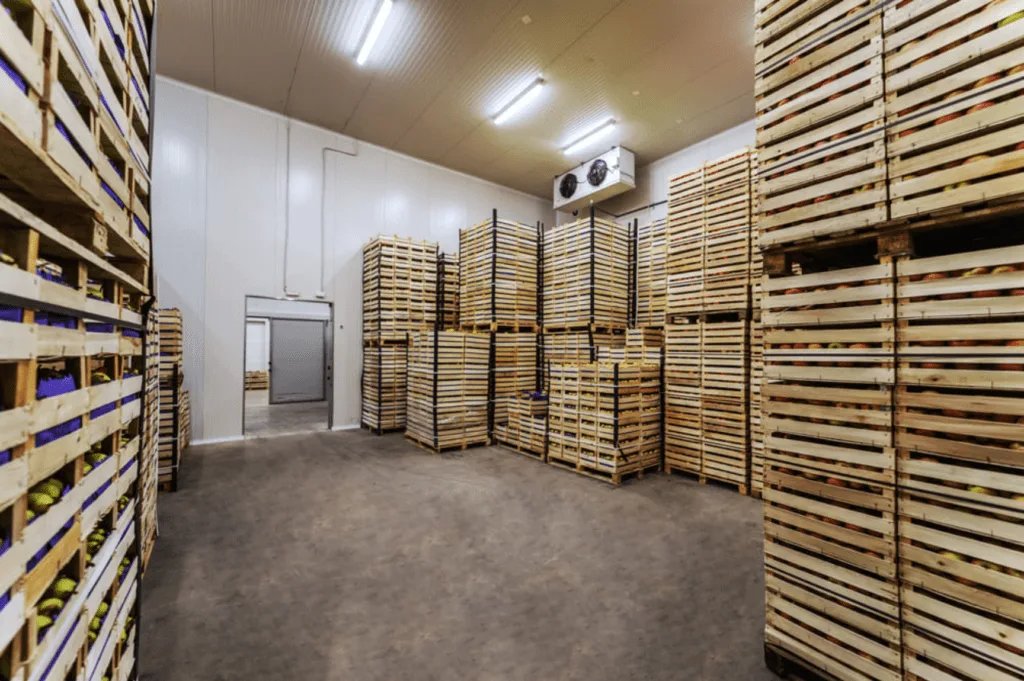
The same parcel that suits a distribution box often suits other users. An online retailer looking at the same corner of the metro will find the parcel logic in our e-commerce fulfillment page, and an operator who needs chilled bays beside ambient ones should read how we handle cold storage.
Send us your door count
Tell us the dock count, the trailer stalls and the delivery date. We will test the parcel and return a building and yard plan with a schedule.
Questions Owners Ask
How many dock doors should a speculative building have?
It depends on the tenant you want. Storage tenants need fewer doors per square foot, while cross-dock and parcel tenants need many more. We lay out a door count that can be added to later, and we size the truck court so extra doors do not force a rebuild of the apron.
Is truck court depth or trailer parking more important?
Both, but court depth is harder to fix later. A court that is too shallow forces awkward backing and slows turns at every door. We test turning paths against a 53 foot trailer before the dock wall is fixed, then plan trailer stalls on whatever land remains.
Which corridor gives the best access to the airport?
E-470 exit 28 at Peña Boulevard serves Denver International Airport, and I-70 meets the tollway at exit 20. Sites near Aerotropolis roads are closest to the airport, though they are also the sites most affected by airport height review.
Can a rail spur be added after the building is finished?
Sometimes, but it is far cheaper to plan the spur corridor on day one. Even if the spur is built later, we grade and drain the site, hold the right-of-way clear and size the dock wall for a transload position.
How does winter change the construction schedule?
Cold weather slows concrete and slab finishing. We price blankets, heaters and admixtures into the schedule from the start, and we sequence the roof and dock wall early enough that interior floors are poured under cover.
Related
Related Services
Related Building Types
Related Industries
Related Service Areas
Ready to talk about your project?
Request a Project Review