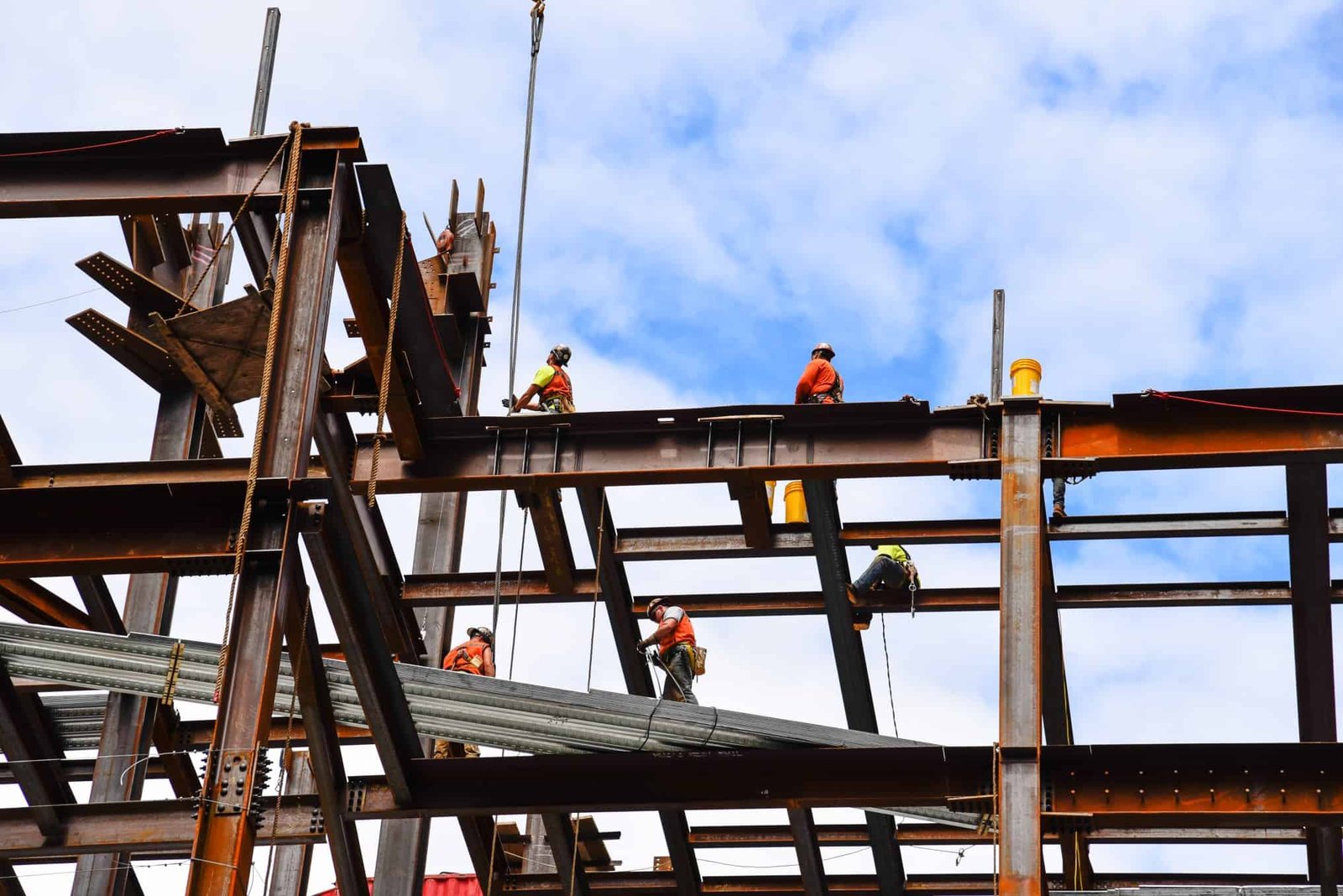
Switchgear, rooftop units, dock levelers and structural steel never arrive on the same day, and the item that arrives last owns your opening date. On a typical industrial building the shell can go up in weeks while the main electrical gear takes far longer to ship. Procurement management is how we make sure the long poles are ordered before the drawings are finished, not after the permit is issued.
We start with a long-lead register on the first day of preconstruction. Every item with a quoted lead time beyond a few weeks gets a line: what it is, who makes it, what approvals it needs, when it must be released to fabrication, when it must be on site, and what happens to the schedule if it slips. You see that register monthly, and so does your lender if you want them to.
The register is a working tool, not a report. Items move from "quoted" to "released" to "in fabrication" to "shipped" to "set," and our superintendent walks the list at every weekly meeting.
Why supply chains matter more on the east side
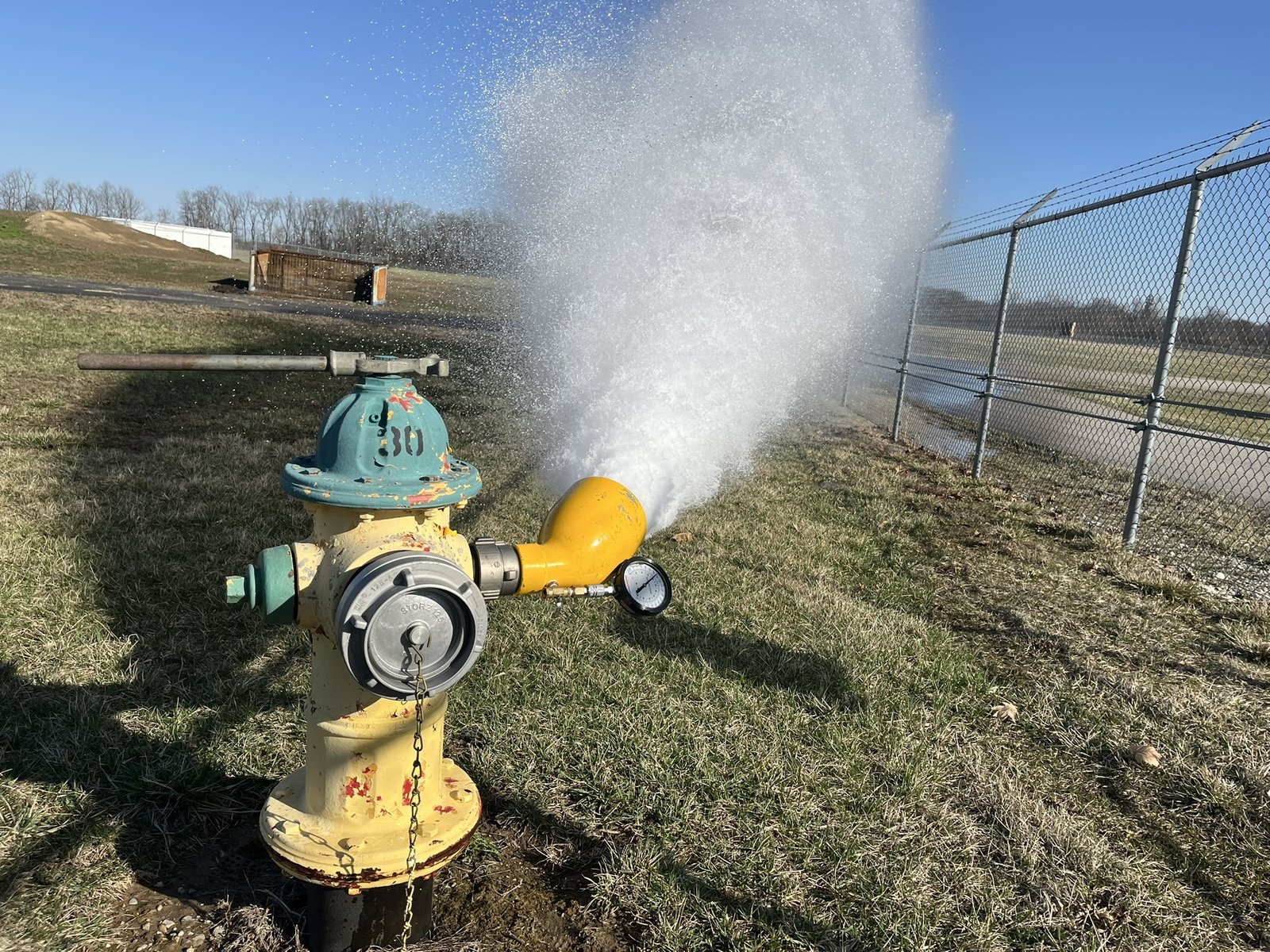
The region has a real manufacturing base to learn from. Two plants in Brighton make wind turbine blades and nacelles, valued at $290 million and providing 1,350 jobs, according to published figures. Operations like that buy large, heavy and long-lead components at scale, and they show how many suppliers can be shared between a plant owner and the building trades competing for the same trucks and cranes.
The lesson for a building owner is simple. Heavy items need freight planning, not just a purchase order: route surveys, delivery windows, crane picks and laydown space. We include those details in the order so that a transformer or a roof-top unit arrives on a day we have a crane and a clear pad waiting for it.
What we manage from quote to set
Our scope begins with scoping the package so bidders quote the same thing, then evaluating bids on price, lead time and reputation for delivery. We review submittals, expedite shop drawings, confirm factory slots, and arrange inspection at the plant when the component warrants it. When the item ships, we track it and schedule its receipt, storage and installation.
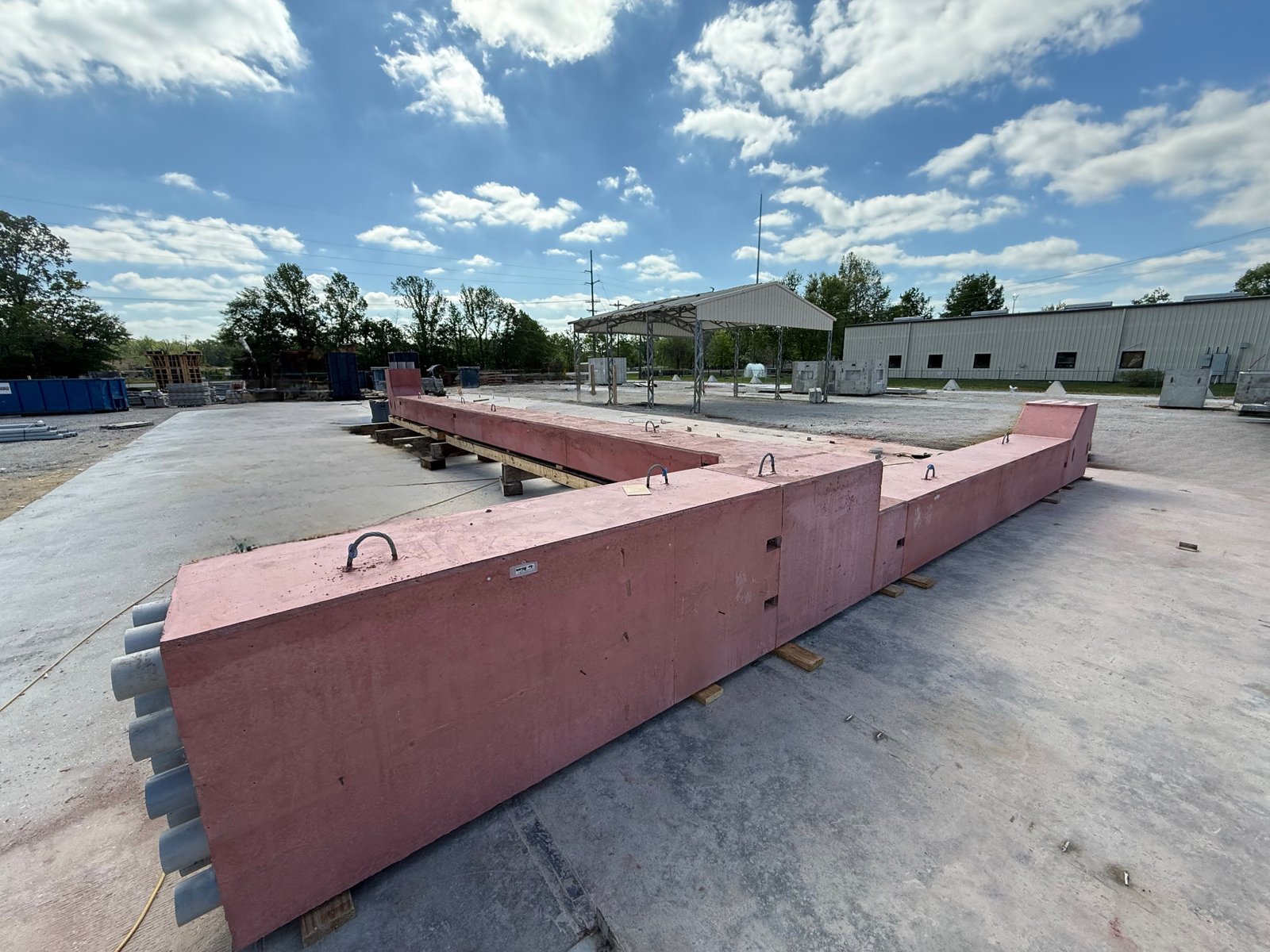
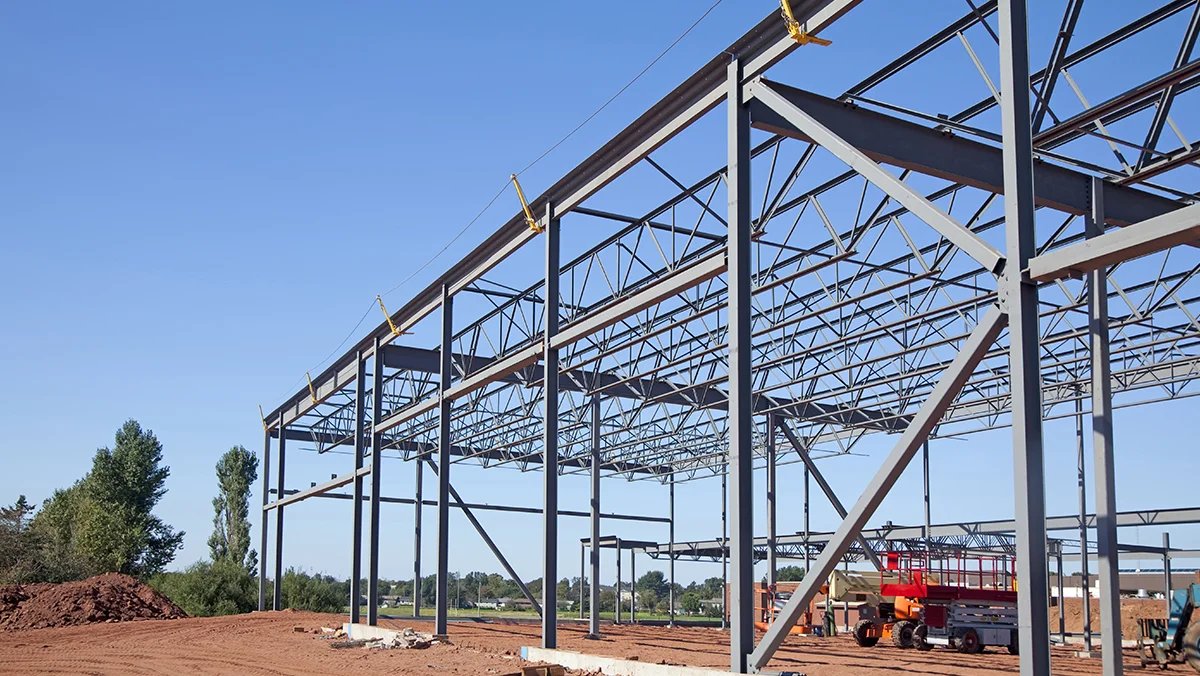
Three categories take most of our attention: electrical gear, structural components such as those for pre-engineered metal buildings and tilt-wall panels, and building envelope and dock equipment. On a plant, process equipment adds a fourth, and we coordinate with your engineers on foundations, utilities and anchor bolts so that embeds are cast in the first pour. Electrical packages tie directly to our underground electrical and duct bank work, since the gear and the conduit that feeds it have to match.
Who relies on early buyout
Operators in metals and heavy industry carry heavy loads, large power draws and specialty equipment, so long-lead tracking is often the most important schedule tool they have. Data-center support buildings, where generators, switchgear and cooling plant dominate the critical path, are another case. Our data center work puts the equipment schedule ahead of the building schedule from the start.
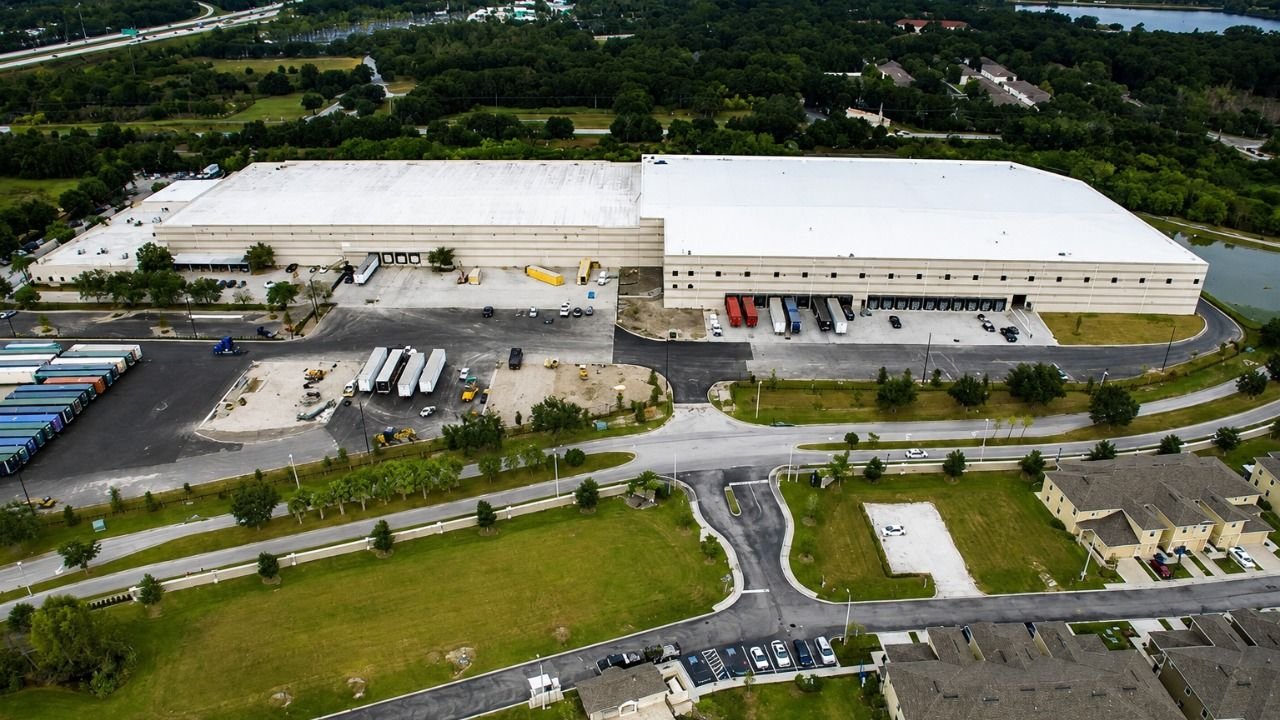
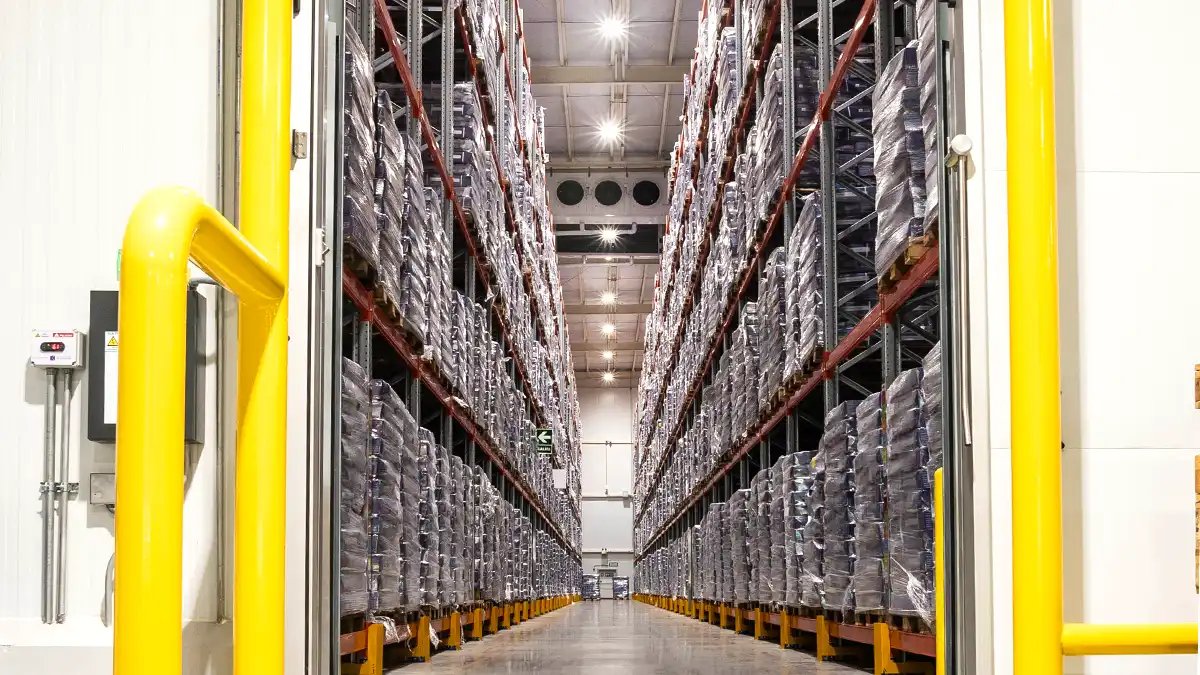
For distribution and fulfillment projects the exposure is different. Dock levelers, doors, racking and conveyor are numerous and uniform, so a single delivery error multiplies across dozens of positions. We verify counts and sizes against the dock plan before release, which is a small step that prevents a large problem, and we keep the same discipline on the distribution center packages where door counts run high.
Releasing early, deciding late
The usual trade-off is release timing against design maturity. Order too early and a design change makes the part wrong; order too late and the part is the project. We settle this by splitting each package into what must be fixed to order and what can float. A switchboard can be released with its enclosure, bus rating and breaker frame sizes defined while branch circuits are still being finalized.
Code editions matter here, too. Bennett's adopted set, effective January 1, 2026, includes the 2023 NEC, and Aurora's lists the 2023 NEC as well, so equipment ordered now should be listed and labeled accordingly. We confirm the edition before release so that gear arrives compliant and inspectors have no reason to reject it. For related timing questions, see industrial design-build.
Price risk and how we manage it
Equipment prices can change between bid and delivery. We handle that with firm quotes that carry an expiration date, early deposits where they make sense, and escalation clauses written explicitly rather than assumed. Colorado also tightens energy requirements over time: HB22-1362 sets a floor at the 2021 IECC for any code updated after July 1, 2023, with the state model low energy and carbon code becoming the benchmark from July 1, 2026. Lighting controls, insulation and HVAC equipment ordered for a building that will be permitted after that date should meet it.
We show you the premium for expediting an item next to the cost of waiting. Sometimes paying for a faster factory slot saves more in general conditions than it costs. Sometimes it does not, and we tell you that, too.
Put the long poles on the calendar first
Tell us the building type and the equipment list, and we will return a long-lead register with release dates marked against your target opening. If you are starting from a brand new building program, see our Brighton notes for how heavy industry shapes supply planning nearby.
Questions Owners Ask
Which items should be ordered before permit approval?
Typically main electrical gear, structural steel or tilt-wall reinforcing, large rooftop units and any custom process equipment. We recommend ordering only when the design is mature enough that the part will not change, and we balance that against the risk of sitting on a long wait.
Who carries the risk if a manufacturer misses a ship date?
The contract assigns it. We write procurement terms with delivery dates, remedies and alternatives, and we monitor progress against them. For owner-furnished equipment, we coordinate receipt and installation but you retain the vendor relationship.
Can you work with the supplier our engineer specified?
Yes. We can buy from your preferred manufacturers or propose equivalents, with the cost and schedule difference shown for each. Specifying a single source without checking lead time is a common reason for late openings, so we raise it early.
How do you handle owner-furnished process equipment?
We ask for the equipment submittal, weight, anchorage and utility requirements early so the foundations and trenches are ready when the machine arrives. We schedule rigging, access and floor protection and keep the equipment supplier in the weekly meeting.
What if the code changes while gear is on order?
We track adoption dates for the jurisdiction. If an edition change could affect listing or labeling, we confirm with the equipment manufacturer and the building official before shipment, so a late change does not force a rejection at inspection.
Related
Related Services
Related Building Types
Ready to talk about your project?
Request a Project Review