Watkins became a town in June 2004 and went back to unincorporated status in November 2006 by a 308 to 184 count, and the practical lesson is the one every industrial owner on the east side learns: know which rulebook sits on your parcel before you design to it. County rules apply in Watkins today. A few miles away, Aurora's building division reviews against a different edition of the codes, and a few miles beyond that, a town may have adopted something newer still.
We coordinate the whole approval path so you are not waiting for a review comment you did not know was coming. That means entitlements and zoning confirmation, site plan and platting, civil and grading review, building and fire permits, utility and district sign-offs, and the inspection schedule that ends in a certificate of occupancy. One of our project managers owns the tracker, talks to the plan reviewers and tells you each week where you stand.
Many rulebooks inside one metro
The east metro is a patchwork of town, city, county and district boundaries. Watkins is an unincorporated census-designated place of 24.753 square miles that borders Aurora, so county processes govern. Bennett, on the other hand, adopted the 2024 IBC, 2024 IRC, 2023 NEC and 2024 IFC effective January 1, 2026, according to the metro builders' tracker current as of January 20, 2026. Those two places are not far apart on a map and are very different on a permit counter.
A good coordination plan starts by identifying the authority having jurisdiction for building, fire, water, sewer, stormwater, access and any special district. Several overlay: a parcel can be in one city, served by a separate water provider, and drained into a regional facility with its own review. We list each in a one-page matrix before drawings begin.
The code stack we design against
Aurora's Public Works Building Division lists the 2021 International Building Code and other 2021 I-codes with the 2023 National Electrical Code, plus City of Aurora amendments. Above any local code sits state energy law: Colorado HB22-1362 requires a county or municipality that updates a building code on or after July 1, 2023 to adopt an energy code at least as stringent as the 2021 IECC and the state model electric and solar ready code, and from July 1, 2026 the benchmark becomes the state model low energy and carbon code.
For you that means a pending code change can alter an industrial building's envelope, lighting controls and electrical readiness if the jurisdiction updates before your permit is issued. We track adoption calendars and tell you whether to vest under the current edition by submitting early or to design for the coming one.
What we handle, step by step
We begin with a pre-application meeting where city or county staff comment on the concept: access, trucking, outdoor storage, lighting, landscaping and any land use issues. Then we assemble the submittals: site plan, civil set, drainage report, utility plans, building drawings, fire protection design and structural calculations, each with the checklist the reviewer uses.
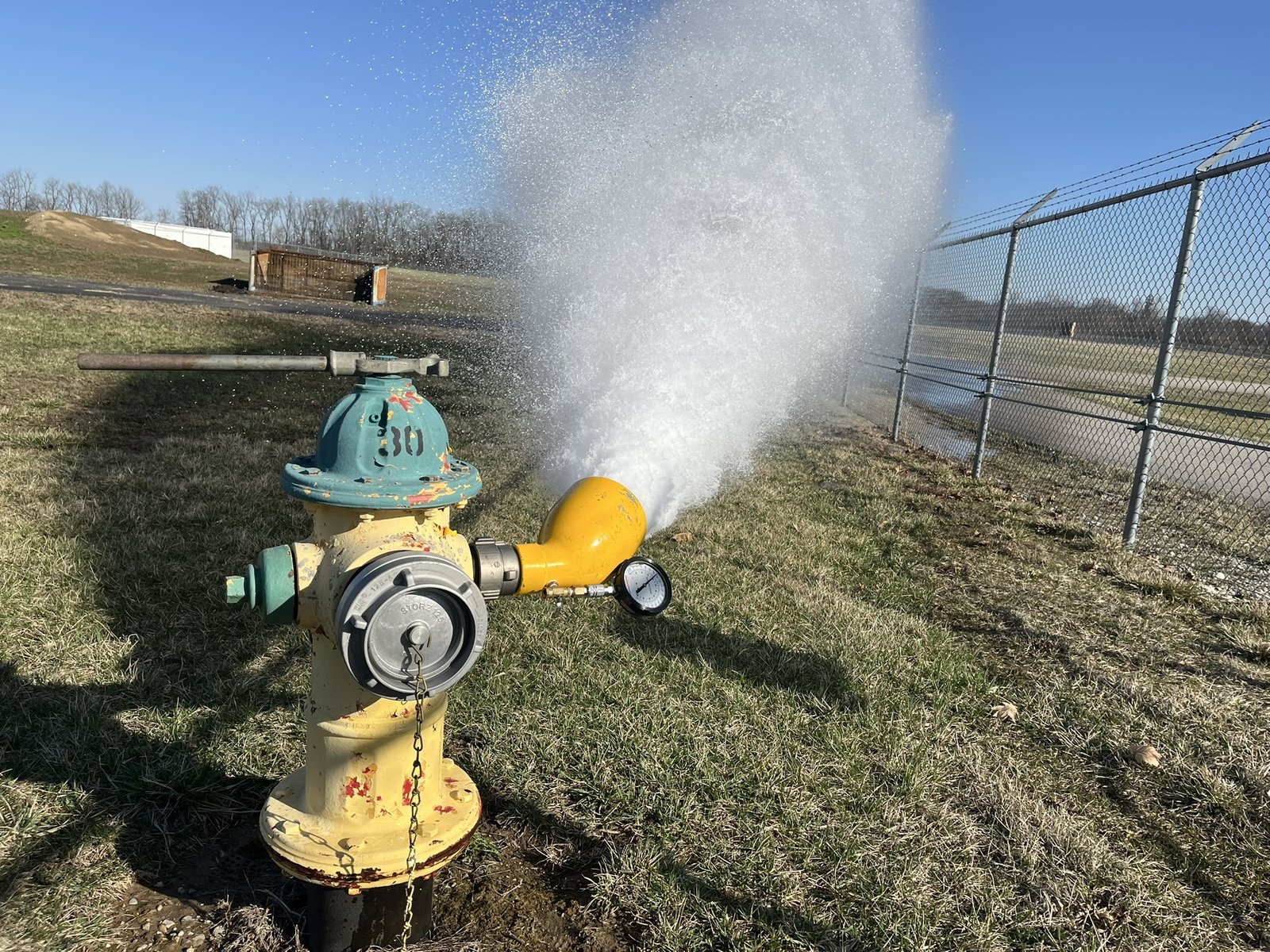
We follow comments through resubmittal, schedule inspections, coordinate third-party testing and keep the special-inspection log. When a reviewer questions a truck turning radius or a hydrant location, we resolve it with the designer in days. For approvals of underground work see our site utilities package, and for the water side of fire approvals see fire water loops and hydrants.
Building the approval path into the calendar
Review time varies by jurisdiction and by complexity, so we avoid promising a number we cannot control. What we can control is the order. We submit site and grading first where a jurisdiction allows it, so that dirt can move while building review continues. We front-load questions that can change the design, such as outdoor storage, fire access and hours of operation, and we keep review comments from stacking up. A weekly call with the plan reviewer, where the jurisdiction allows one, usually clears more questions in fifteen minutes than a month of emailed comment letters.
We also plan closeout from the first day. Final inspections, as-builts, fire acceptance tests and utility connections belong on the calendar before the building is enclosed, and they are the focus of our commissioning and turnover work. For owners in utilities and power, where interconnection reviews run alongside building permits, we sequence both on the same schedule.
Jurisdictions we work in regularly
We coordinate approvals across the Aurora area, including the city itself, nearby Adams and Arapahoe county land and the small towns along I-70 and Highway 36. Two places are worth a look if your site is on the far east side: Watkins and Bennett sit under very different permitting regimes despite their closeness to each other.
We also keep a working knowledge of airport-adjacent processes, since a building near an airfield may need an aviation review of its height, lighting and glare in addition to the usual approvals. Hangar and aviation-support owners can read more under aircraft hangars.
Know your approval path before you design
Send us the parcel address and a short description of the use. We will return the jurisdiction map, a code matrix and an approval sequence you can hold us to. For sites that need feasibility work first, start with preconstruction services.
Questions Owners Ask
How long does an industrial building permit take in the Aurora area?
It varies with the jurisdiction, the completeness of the submittal and the number of review cycles. Instead of guessing, we ask the reviewing office for current turnaround and then build the calendar around it. A clean, complete package with early staff feedback is the most reliable way to shorten the process.
Which code edition applies to a project in Aurora?
Aurora lists the 2021 IBC and other 2021 I-codes with the 2023 NEC and local amendments, and a metro tracker dated January 20, 2026 shows no 2024 adoption planned until the 2027 cycle. Nearby jurisdictions can differ, so we verify the edition at the parcel.
What changes if my site is unincorporated?
County rules and county review apply, and the utility and fire districts may be separate from a city. In Watkins, for example, the town status ended in 2006, so county processes govern. We confirm which agency handles building, fire and access.
Do you handle zoning and rezoning?
We coordinate zoning confirmation and prepare the technical side of a rezoning or site plan application with your land-use counsel. We do not give legal advice, but we supply the plans, studies and schedules that applications depend on.
What happens if the code changes during my project?
Vesting rules differ by jurisdiction. We check whether an application locks in the edition at submission, and if it does, we may recommend submitting before a scheduled adoption date. If not, we price any difference before it hits your budget.
Related
Related Services
Related Building Types
Related Service Areas
Ready to talk about your project?
Request a Project Review