A plant that cannot stop running while we build next to it needs a different kind of schedule. Trucks keep arriving at the dock, forklifts keep turning in the yard and a night shift keeps working under the roof we are tying into. We plan phased construction around those flows, in hours and in lanes, so your operation sees a changing site without losing throughput.
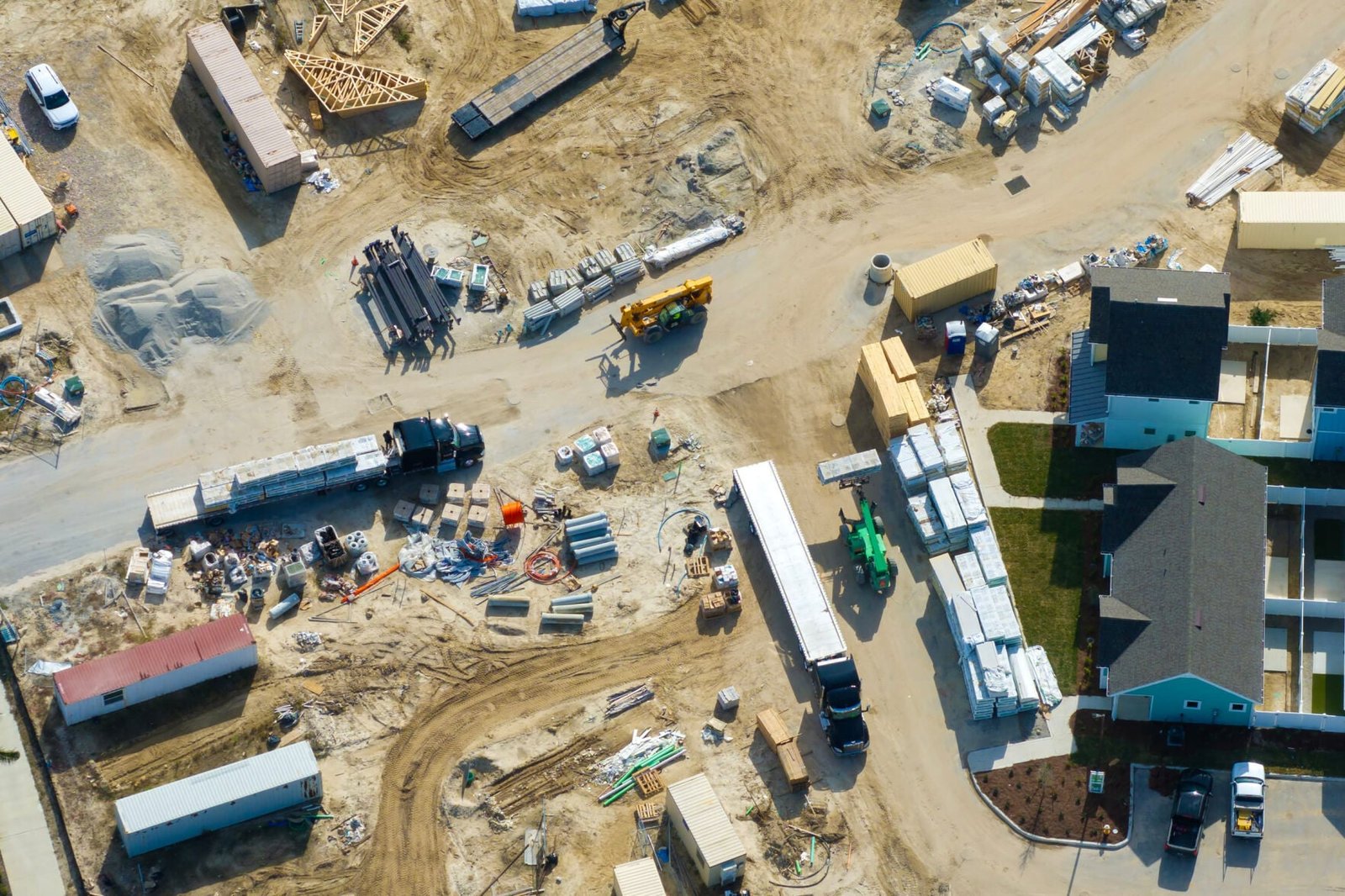
The first deliverable is a logistics plan drawn on a site map. It shows where trucks enter, where they stage, where they leave, where the trade crews park, where material is stored and which gates are closed to whom, and at what time of day. We walk it with your plant manager and your safety lead, adjust it for what they know about their operation, and post it at every gate, with a version in the language each crew speaks.
The second deliverable is a phasing calendar written in shifts. A tie-in that requires a power shutdown is scheduled to the hour, with the shutdown window agreed in advance and every trade ready to work inside it.
Keeping two operations apart
Safety planning is the first design task on an occupied site. We separate pedestrians, vehicles and construction with physical barriers rather than paint and signs. Haul routes avoid your driver pickup areas and employee parking where possible. Where an overhead crane or a lifting operation must pass near active work, we coordinate signal persons and stop-work triggers with your site staff.
Near airfields, the controls go further. Buckley Space Force Base, for instance, hosts the Colorado Air National Guard's 140th Wing, which flies F-16C Fighting Falcons from the base, and the base lists thousands of active duty, guard, civilian and contractor personnel. Work near active flight operations can bring limits on crane height, lighting, dust and glare, and we confirm them with the airfield authority before we mobilize.
Phase by phase, tie-in by tie-in
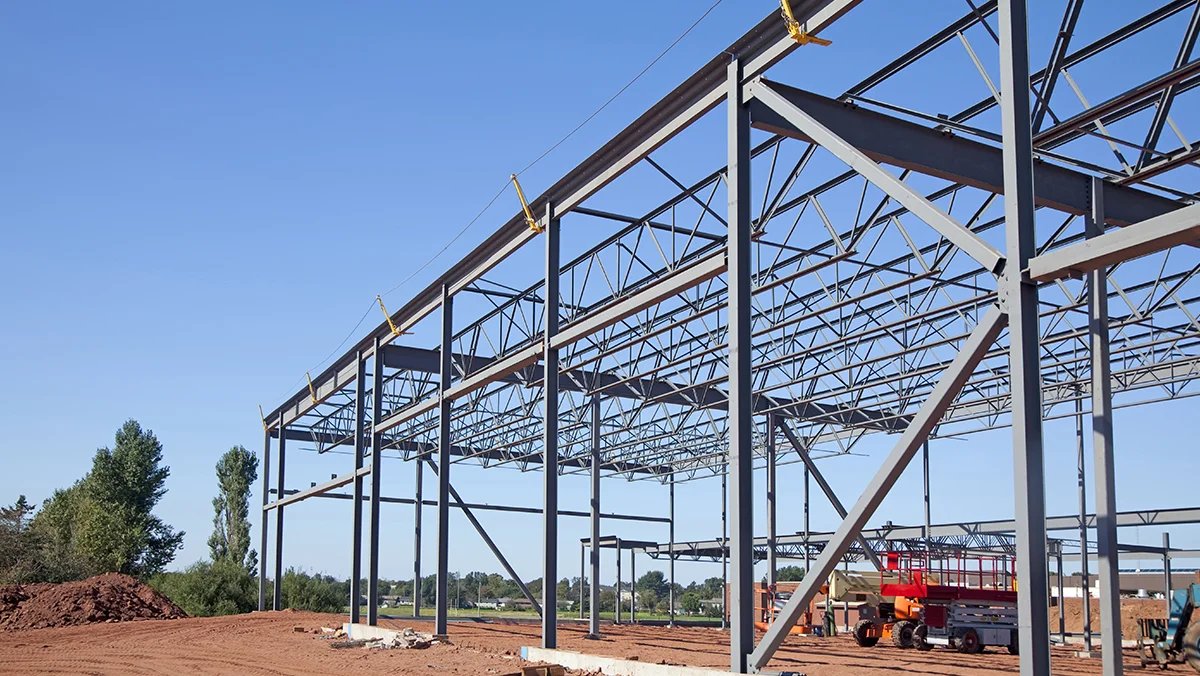
We break the work into phases that each leave the facility in a safe, operable condition. Typical order: site fencing and haul routes, underground work that is away from operations, new building shell, interior fit-out, and finally tie-ins to live systems. The tie-ins are saved for last because they are the points of highest risk to your operation, and we want everything else complete and tested by then.
Before any tie-in we rehearse it. Pipe, conduit, shutoff valves and temporary bypasses are laid out in advance, materials are staged beside the work, and a written step-by-step procedure with a rollback point is reviewed with your maintenance team. If the rollback point is reached, the plant restarts on schedule and we try again in the next window. Nobody on your floor should discover a shutdown by losing power.
What we build while you operate
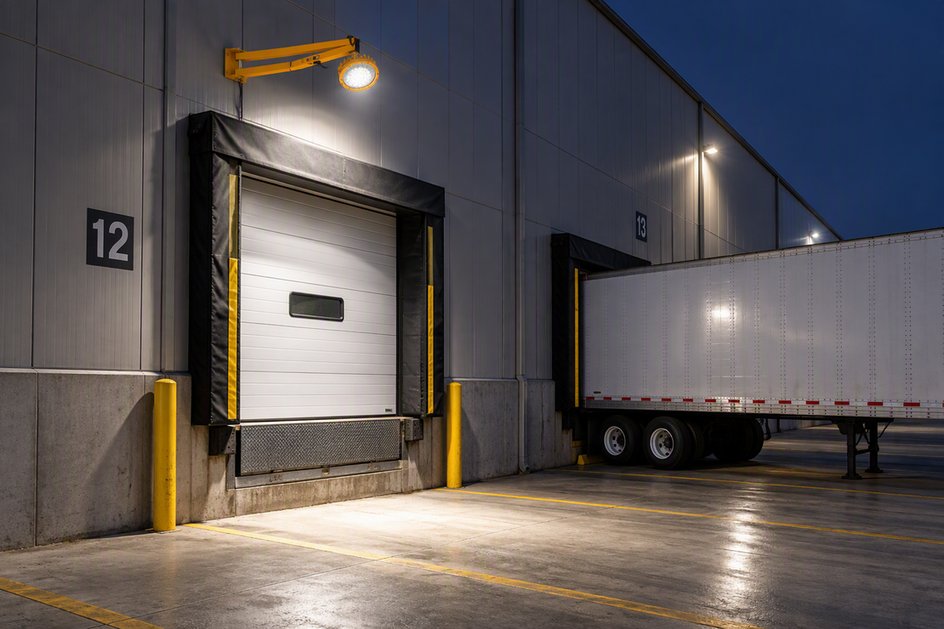
Occupied-site projects range from a new dock apron beside a running warehouse to a full building addition tied into existing process lines. We handle building additions, interior renovations, utility upgrades, roof work, yard and paving replacement and equipment installations. When a project reaches into your existing shipping area we offer dock apron and loading zone work in the quiet hours between waves of trucks.
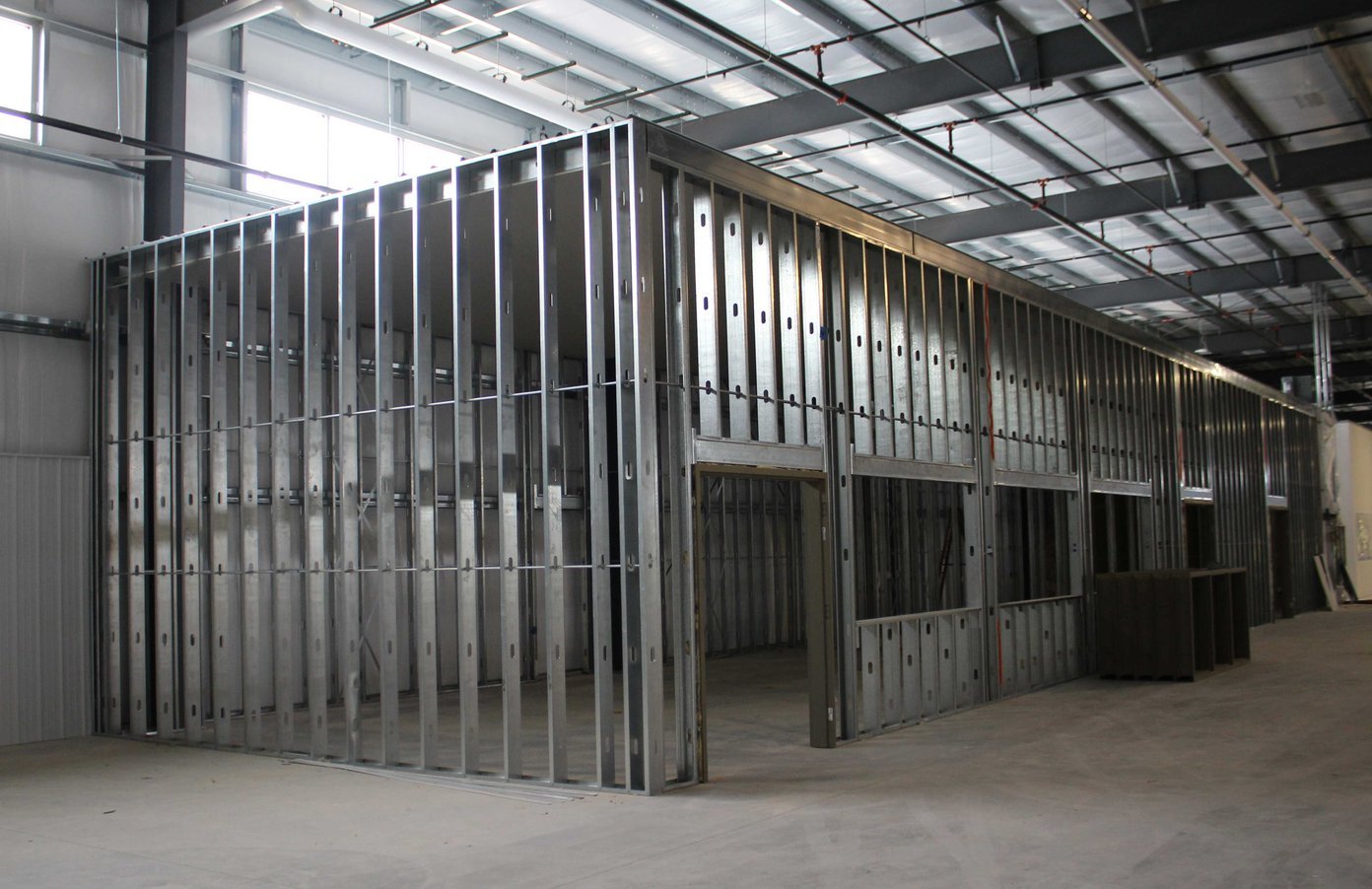
Renovation inside the walls follows a different rhythm. Dust control, vibration limits, temporary partitions and negative air are specified and checked daily. For work that changes the building more broadly, we coordinate with industrial renovations and modernization, which covers systems upgrades and layout changes.
Traffic, shifts and neighbors
Truck traffic is the main constraint. Centennial Airport, which sits beside Centennial on the south side of the metro, recorded 360,725 aircraft operations in 2023 and hosts more than 125 businesses, a useful reminder that busy facilities have their own rhythms that a builder must read. At a distribution site the rhythm is set by outbound waves, and at a plant by shift change, so we schedule noisy or disruptive work away from those peaks.
We also manage neighbors. Adjoining tenants, property owners and agencies each get notice of upcoming work, a contact name and a way to report a problem. A short call before a loud activity prevents complaints that otherwise consume days of management time. Operators of truck terminals and cross-docks will recognize this planning, since they live by the same clock.
Shutdowns, weekends and holiday windows
The calendar for occupied work is built around your operating cycle. If your slow season is late summer, we reserve shutdown windows then. If you have a planned maintenance outage, we align our tie-ins to it. Weekend and holiday work costs more, so we use it only for the activities that cannot happen safely during operations and price it separately so you can choose.
Food and beverage producers face particular windows, with cleaning and sanitation cycles that bar construction access at fixed times. If that is you, see how we plan around production for food and beverage plants, where cross-contamination controls are part of every phase. We keep a rolling three-week look-ahead and update it every Friday, and we hand your shift supervisors a one-page version so the people on the floor hear about next week's closures before they meet a barricade.
Keep shipping while we build
Send us a site plan and your operating hours. We will return a phasing outline with the shutdown windows we would ask for and the barriers we would install. If your site is close to an airfield, we can also review the Buckley Space Force Base area constraints with you.
Questions Owners Ask
Can you work without shutting down our operation?
In most cases, yes. The work that touches live systems is the exception, and we pack it into short, planned windows with temporary bypasses where practical. Everything else is isolated with barriers, separate routes and a posted plan.
How do you protect our people and product from construction?
We separate construction from operations physically, restrict access by badge or gate, and run daily briefings with your supervisors. For product-sensitive areas we add dust control, pressure management and cleaning protocols agreed in advance.
How are shutdown windows scheduled?
We propose windows based on your calendar, confirm them in writing and rehearse the work beforehand. If something prevents completion inside the window, a rollback step restores operation and we reschedule the remainder.
Will construction affect our truck traffic?
We design the logistics plan to avoid it. Separate construction gates, dedicated haul routes and flaggers at crossing points keep trucks moving. We review the plan with your dock scheduler to avoid overlap with inbound and outbound peaks.
What does phasing add to the cost?
It adds supervision, barriers, premium time for off-hours work and some schedule length. We show those items as separate lines and compare them with the cost of a full shutdown, which for many operators is higher.
Related
Related Services
Related Building Types
Related Service Areas
Ready to talk about your project?
Request a Project Review