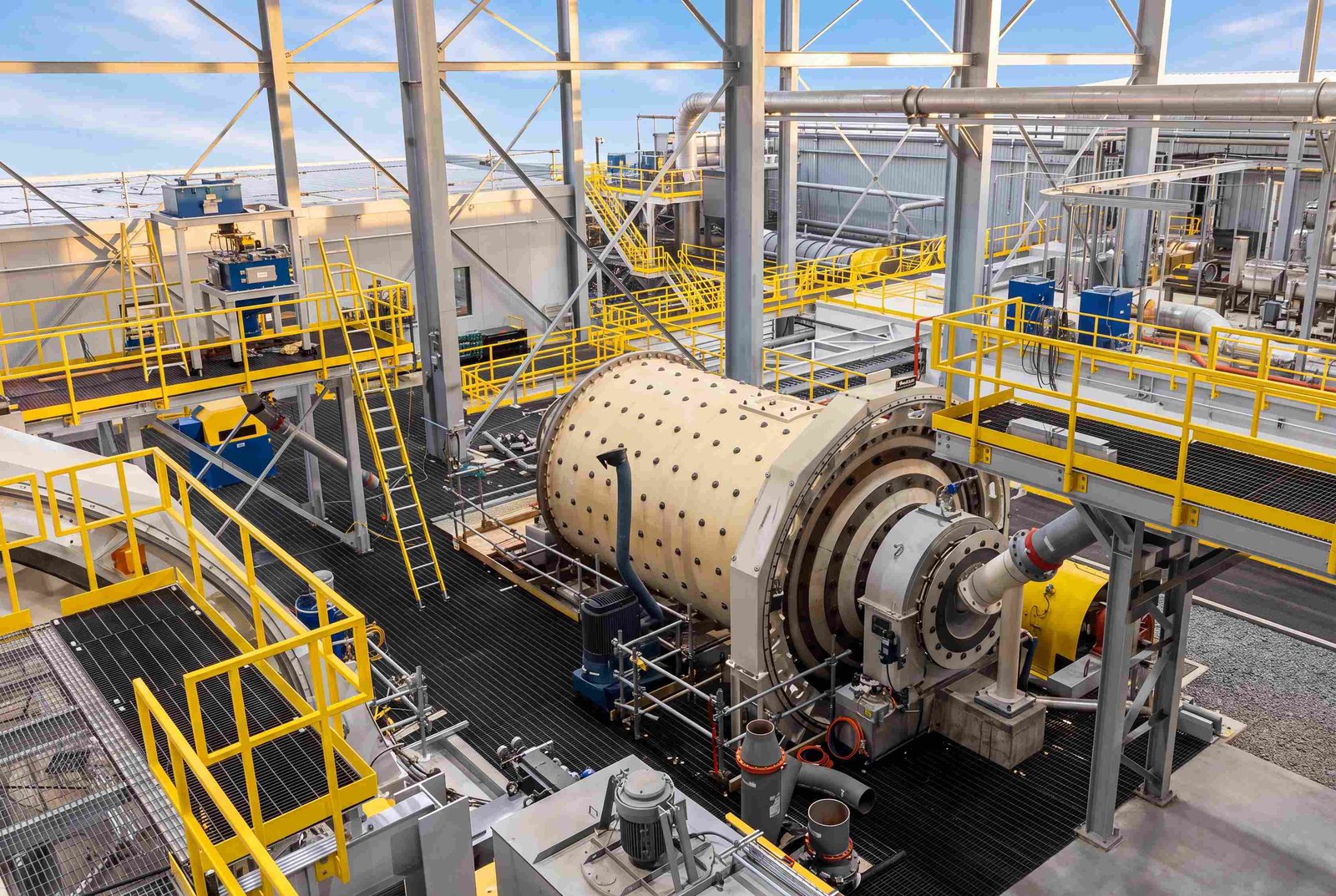
Heavy machinery sets the foundation budget before the building gets a price. Presses, furnaces, rolling lines and overhead cranes load the ground in ways a warehouse never does, and the ground here is not forgiving: the Colorado Geological Survey says most roads, schools and homes in the state sit on potentially expansive clay, and volume increases of 3 percent or more are considered potentially damaging. For metals and heavy industry owners we start with the soil report and the equipment load schedule, then build upward from there.
Rail and highway access matter as much as the ground. Bennett grew as a Union Pacific railroad hub, and the railroad replaced wooden trestles near town with steel structures in 1937. The 620-acre Rocky Mountain Rail Park near Manila Road and I-70 is rail-served, Port Colorado's 6,500 acres run along the same railroad north of I-70, and Castle Rock has BNSF and Union Pacific lines parallel to U.S. 85. Those are the places where coil, billets, scrap and finished product can move by rail or by truck.
We build fabrication shops, processing buildings, coil and plate storage, and the heavy slabs and haul roads around them. When the work is deep we turn to drilled pier foundations, and when it needs a siding we plan rail spur site improvements into the grading from the first drawing.
Ground, loads and access come first
Start with three questions. What is the heaviest point load and where does it sit? What does the geotechnical report say about expansive clay, groundwater and bearing capacity? And how do loaded trucks, rail cars and cranes get in and out? With those answers we decide whether equipment sits on a thickened slab, a mat foundation or drilled piers, and where the expansion and isolation joints go.
Castle Rock shows how access and ground come together. I-25 and U.S. 87 run concurrently through town, U.S. 85 meets I-25 at Exit 184 and two freight lines run alongside U.S. 85, while the same clay warnings apply to its roads and buildings. Owners looking at sites there should put their geotechnical engineer on the first walk-through, before any layout is drawn.
Foundations, steel and heavy slabs
Heavy industry rewards a builder who controls the first six feet of the project. We coordinate qualified trade partners for excavation, drilled piers, mat foundations, heavy slabs and haul roads, with the foundation trades working to a coordinated sequence and carrying inspection records into each stage. Excavation is logged against the soil report as it progresses, and any surprise, such as soft zones or buried obstructions, goes to the engineer the same day. That closes the gap between the geotechnical findings and the field.
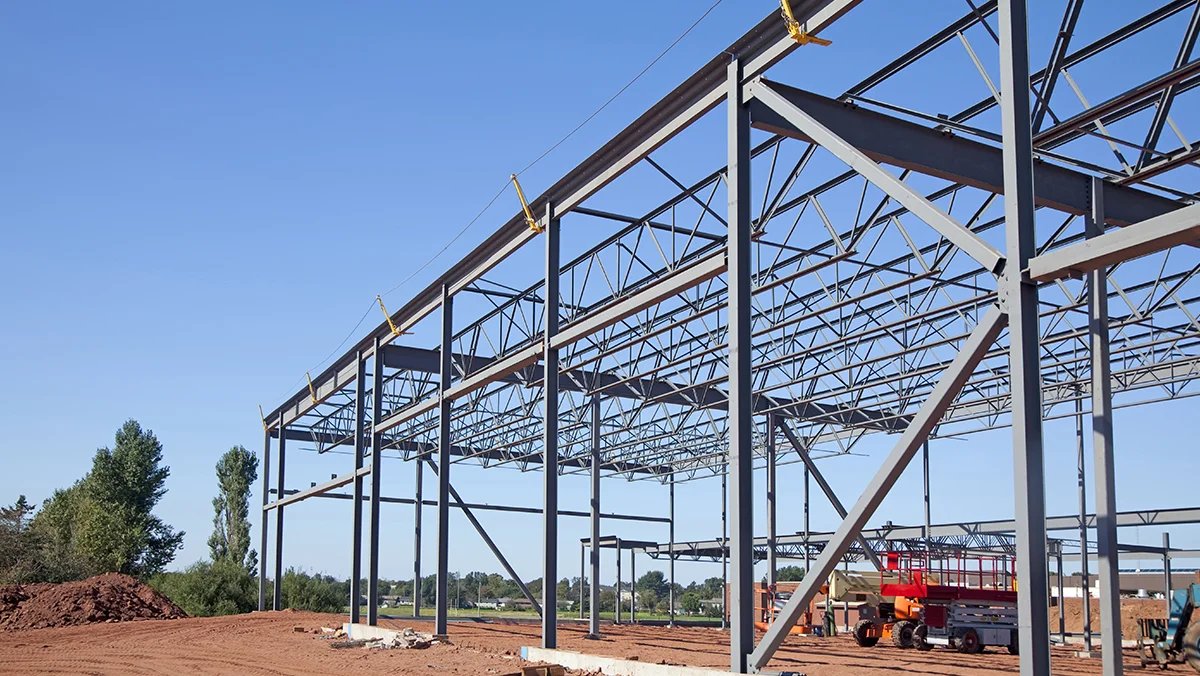
We also erect structural steel, including crane beams and heavy framing, and set the pre-engineered metal buildings that shelter storage and lighter fabrication. Crane runway tolerances are checked during erection, not at turnover, since a runway that is slightly out of line costs a great deal to correct later.
Safety in heavy lifts and hot work
Heavy industry brings heavy lifts, hot work, overhead cranes and moving equipment. We plan critical lifts in writing, with load charts, ground bearing checks and exclusion zones, and a crane is not released until the lift plan has been reviewed. Near airfields, tall cranes also need airspace review, so the lift plan includes that check.
Plants that are already operating add another risk layer: live rail, forklift traffic, furnace heat and process hazards. We agree on access routes, lockout procedures and hot-work permits with your safety manager before mobilizing, and we hold a short coordination meeting each day crews work near production. Scrap, coil and finished product still have to move, so haul routes stay open and flaggers control crossings where construction equipment meets your traffic.
Site work that surrounds a heavy plant
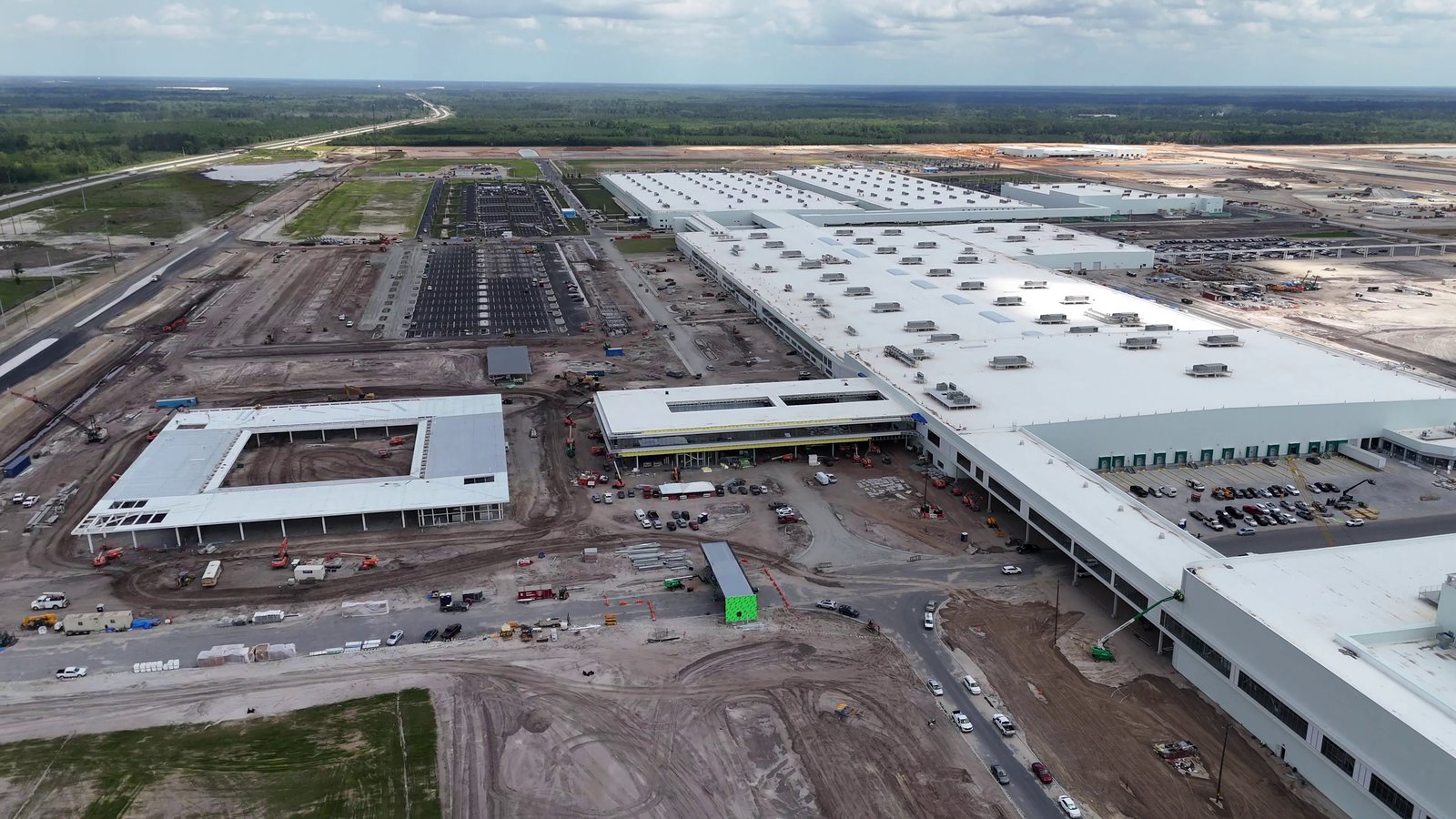
A heavy plant is surrounded by site work. Heavy-haul access roads carry loaded trucks and oversize loads from the highway to the dock, and stabilized laydown yards hold coil, plate, scrap and equipment awaiting installation. Both need base sections designed for point loads and tight turning, not for car traffic.
Related industrial buyers have overlapping needs. Advanced manufacturing shops are lighter on the floor but heavier on utilities and tolerance, and utilities and power owners share the same equipment-pad and duct-bank details. When parcels are adjacent, we can combine them into one site package.
Where heavy-industry budgets move
Foundations and site work are the swing items. Deep foundations, soil improvement and thickened slabs can add major cost to a heavy plant, and they are also the items with the least room for value engineering once equipment is on order. We price a conservative and an optimized foundation scheme, with the geotechnical engineer's sign-off on each, so you can choose with eyes open.
Crane capacity, building height and runway length are the next drivers, followed by rail and roadway scope. We set an allowance for each and update it as the design firms up, so the number you approve matches what will be built. If your plant sits in a development area near Bennett or the airport rail parks, utility extension can also be a large line, and we flag it early.
Send us the load schedule
Share the equipment loads, the soil report and the rail or truck plan. We will return a foundation scheme and a site package with the swing items priced.
Questions Owners Ask
Do we need a geotechnical report before pricing a heavy plant?
Yes. Foundations are the largest swing item, and the Colorado Geological Survey warns that expansive clay is common across the state. We can give a budget range from existing data, but a firm price needs a site-specific report with bearing capacity and heave potential.
When do drilled piers beat a thickened slab?
When loads are concentrated, when the soil near the surface moves with moisture or when the equipment is sensitive to settlement. Piers reach stable soil below the active zone. We compare both options with your engineer so the choice rests on numbers.
Can a rail spur be added to a site that has none?
Often, if the railroad serves the corridor and the parcel has room. The spur needs its own agreements and design approvals, so we plan the corridor, drainage and grade from the start and treat the siding as a separate permitted scope.
How do you manage crane work near an airport?
We check the parcel against height limits during site selection, write the lift plan with crane height and location in it, and confirm with the airport before the crane arrives. Where limits are tight, we adjust the sequence or use lower equipment.
What does a heavy-haul road need that a standard road does not?
A thicker base, tighter compaction control and turning radii that fit the longest loads. We also design drainage so water never sits in the wheel path. The extra cost at construction is small compared with repaving a failed section.
Related
Related Services
Related Building Types
Related Industries
Related Service Areas
Ready to talk about your project?
Request a Project Review