Exit 10, exit 13, exit 19 and exit 20: four Aurora interchanges on E-470 give a multi-site operator four distinct addresses along one toll road, and a rollout program is how you build them without starting over each time. We run industrial programs that repeat a proven building, dock layout and equipment package across several parcels, adjusting only for what each site and jurisdiction require.
The economics are simple. The first site absorbs the learning: design, procurement, permitting and construction methods get worked out in full. Every site after that reuses the drawings, the vendor relationships, the subcontractor bench and the schedule logic. We aim to make site three cheaper and quicker than site one by a margin you can measure, and we report it that way.
Programs in the metro often mix new construction, conversion of existing buildings and expansions. We handle each under the same governance, with a single dashboard showing budgets, schedules and risks for every location.
A corridor that suits repeatable work
E-470 is a 46.950 mile tollway whose first section from I-25 to Parker Road opened June 1, 1991, and its Aurora exits are Smoky Hill Road (exit 10), Quincy Avenue (exit 13), 6th Parkway/Stephen D. Hogan Parkway (exit 19) and I-70/Colfax Avenue (exit 20), with Peña Boulevard at exit 28 serving Denver International Airport. For an operator planning several nodes for last-mile or regional distribution, one road connects most of them.
Parker is also on E-470, along with State Highway 83, which makes it a natural second or third node on the south side. The pattern of a loop road with frequent interchanges is what makes a standard prototype practical here: sites are similar in access, size and use, and the differences are mainly in soils, utilities and the permit counter.
Where a program can land
Our rollouts cover the Aurora city limits and the surrounding towns and counties: Centennial and Lone Tree to the south, Parker and Castle Rock further down the I-25 side, Brighton to the north and the I-70 towns to the east. Two places in particular show the variety. Southlands, at Smoky Hill Road and E-470, is a retail district whose surrounding parcels attract service and flex uses, while Centennial offers infill sites close to a busy general aviation airport.
Each location gets its own approval path, but we keep one program manager over all of them. That person tracks plan review across jurisdictions, keeps the permit calendar current and assigns the right project manager and superintendent to each site.
One prototype, many sites
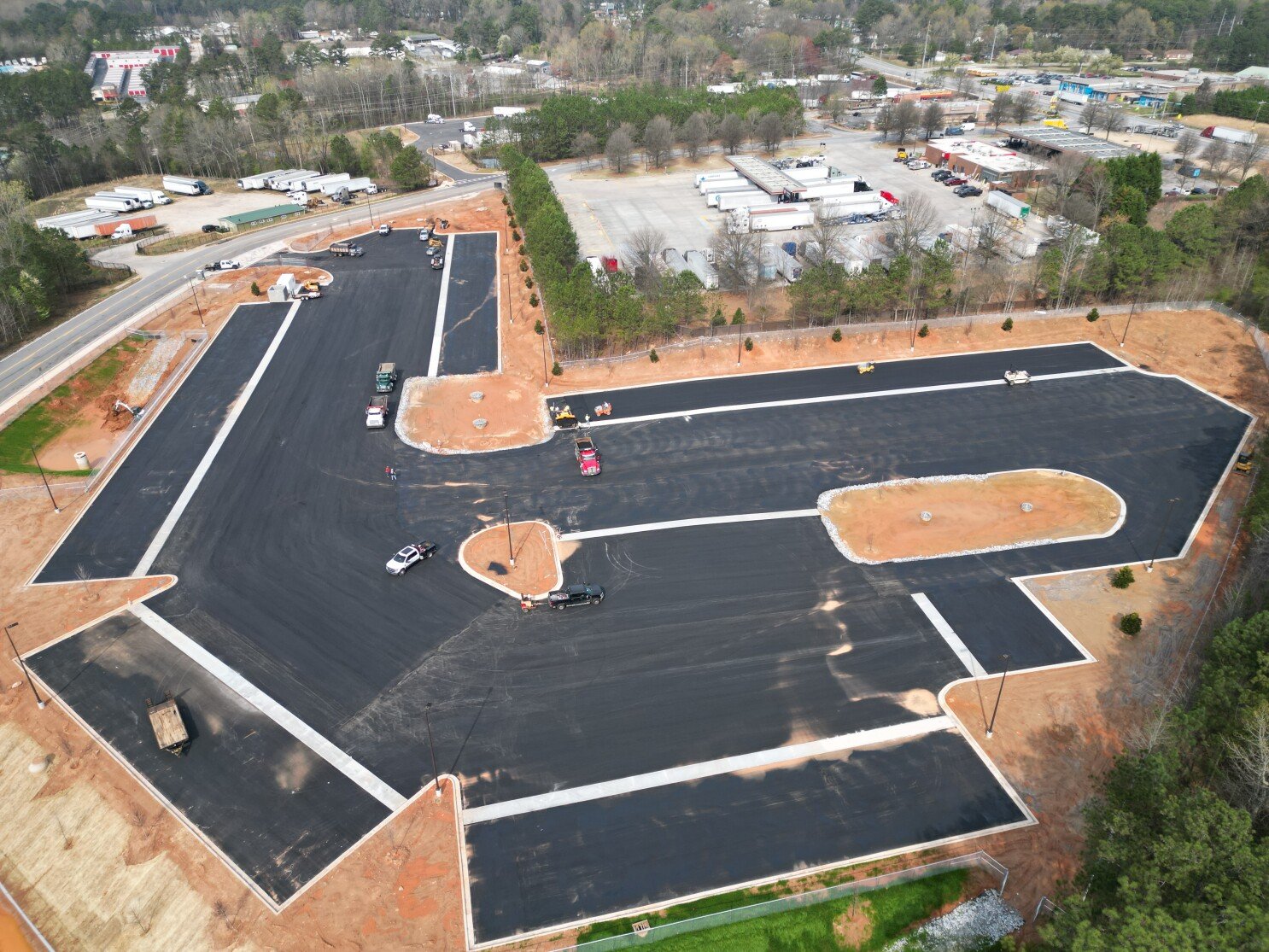
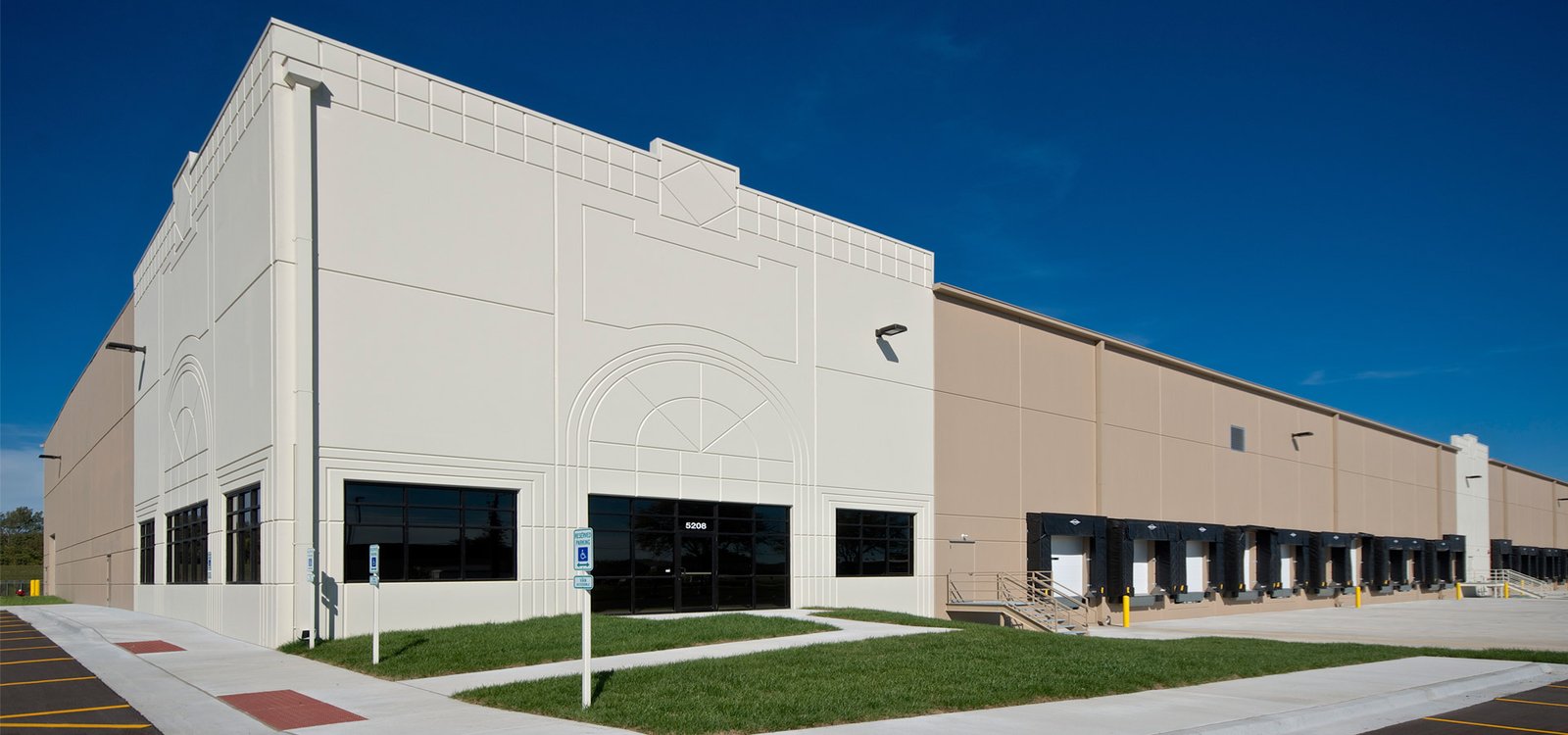
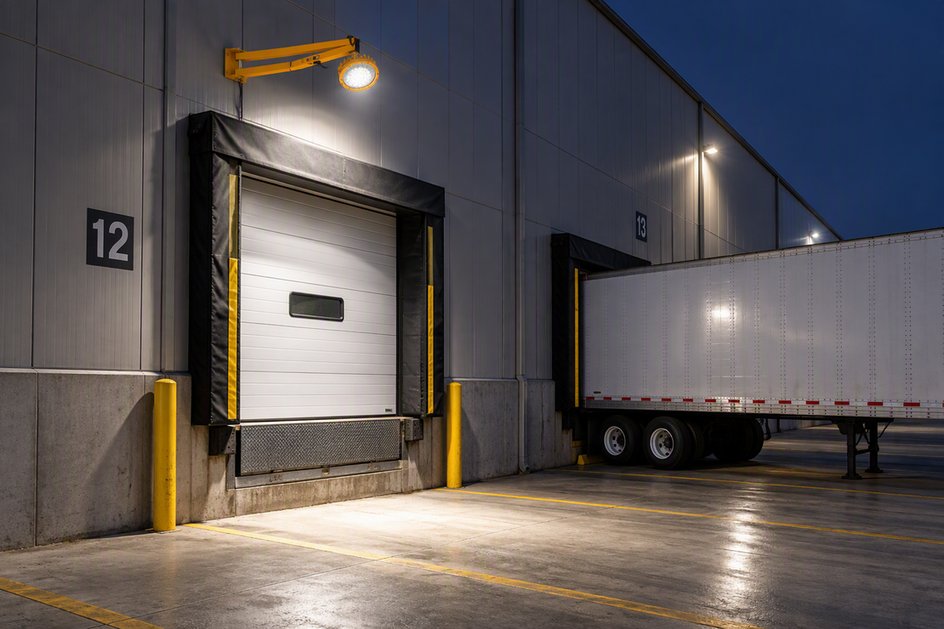
We start with a prototype package: drawings, specifications, a standard dock layout, an equipment list and a cost model. The package is designed so that site-specific items, such as grading, utility connections and detention, are separated cleanly from the repeating building. That separation lets the building drawings be reviewed and priced once.
Then we build a site adaptation process. For each new parcel, the team runs a standard checklist: soils report, utility availability, drainage path, jurisdiction and code edition, truck access and neighbor constraints. The result is a one-page site brief with the adjustments needed. This approach is a close cousin of industrial tenant improvements, in which repeat layouts also lower the cost of each unit.
Overlapping sites on one calendar
A program calendar overlaps sites so that crews and suppliers move down the line rather than start and stop. While site one is in vertical construction, site two is in permitting and site three is under land diligence. We stagger starts by a few weeks so that the superintendent who finishes the shell on one site can move to the next, and so that the supply chain sees a steady rhythm of orders.
Bulk buying belongs here. We bundle long-lead procurement across the program so that switchgear, dock equipment and roofing are bought in volume, and we lock delivery slots well in advance. When one site slips, we reassign resources to keep the others on track.
Operators who benefit most
Rollouts suit organizations with a repeatable facility type. In automotive and EV, service and charging support buildings repeat across a region. Last-mile logistics firms build multiple small cross-docks. Food and beverage distributors add cold nodes. In each case the building is consistent while the site varies, which is the condition a program handles best.
We also support owners who build in phases over several years. The cost model carries forward, so a budget approved for the first site becomes the baseline for later ones, and variances are explained against the prototype rather than argued from scratch.
What drives cost across the program
Three factors drive differences between sites: code and jurisdiction, soils and site work, and utility distance. Commercial codes in Colorado are adopted city by city and county by county, so the same prototype may face different structural, fire and energy requirements in different places. We price a standard core building and a variable site package, and the variable part is where we spend our attention.
The savings from repetition show up in design fees, plan review cycles, procurement discounts and construction productivity. We track them against the first site and share the results with you. A good program gets cheaper per unit as it goes, and our reporting shows whether yours is doing so.
Build the second site faster than the first
Tell us your target locations and the facility type, and we will draft a prototype scope, a site screening checklist and a program calendar. For buildings that vary in size, our logistics and fulfillment center experience is a good starting reference.
Questions Owners Ask
How many sites make a rollout worthwhile?
Three is a practical threshold, though two similar sites can benefit. The saving comes from reusing design, procurement and process, so the more alike the sites are, the more you gain.
Can the prototype change as we learn?
Yes. We hold a design review after each site and record lessons. Improvements go into the prototype before the next site begins, so each building benefits from the one before.
How do you manage different jurisdictions on the same program?
A program manager keeps a matrix of each jurisdiction: code editions, review timelines, submittal requirements and contacts. Because codes are adopted locally, we expect differences and plan for them in the site package.
Do you use the same subcontractors on each site?
Where possible. A consistent bench improves quality and pricing. We prequalify firms for the program and use competitive bids for site-specific scopes when that gives you a better outcome.
How is the program reported?
You get a monthly dashboard covering schedule, budget, risks, procurement status and permits for every site. A weekly call covers the next three weeks of decisions. Both are designed to be read in minutes.
Related
Related Services
Related Building Types
Related Service Areas
Ready to talk about your project?
Request a Project Review