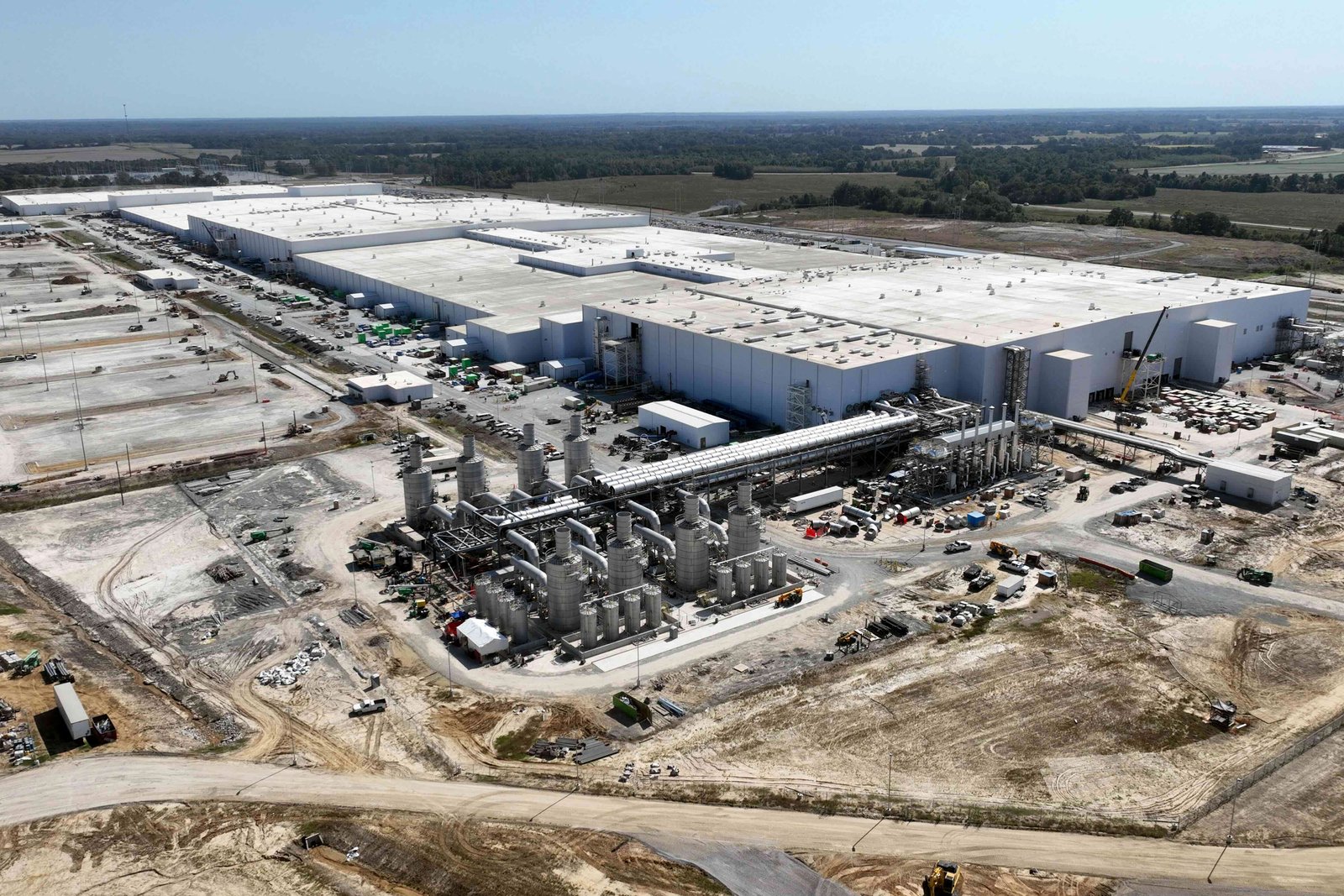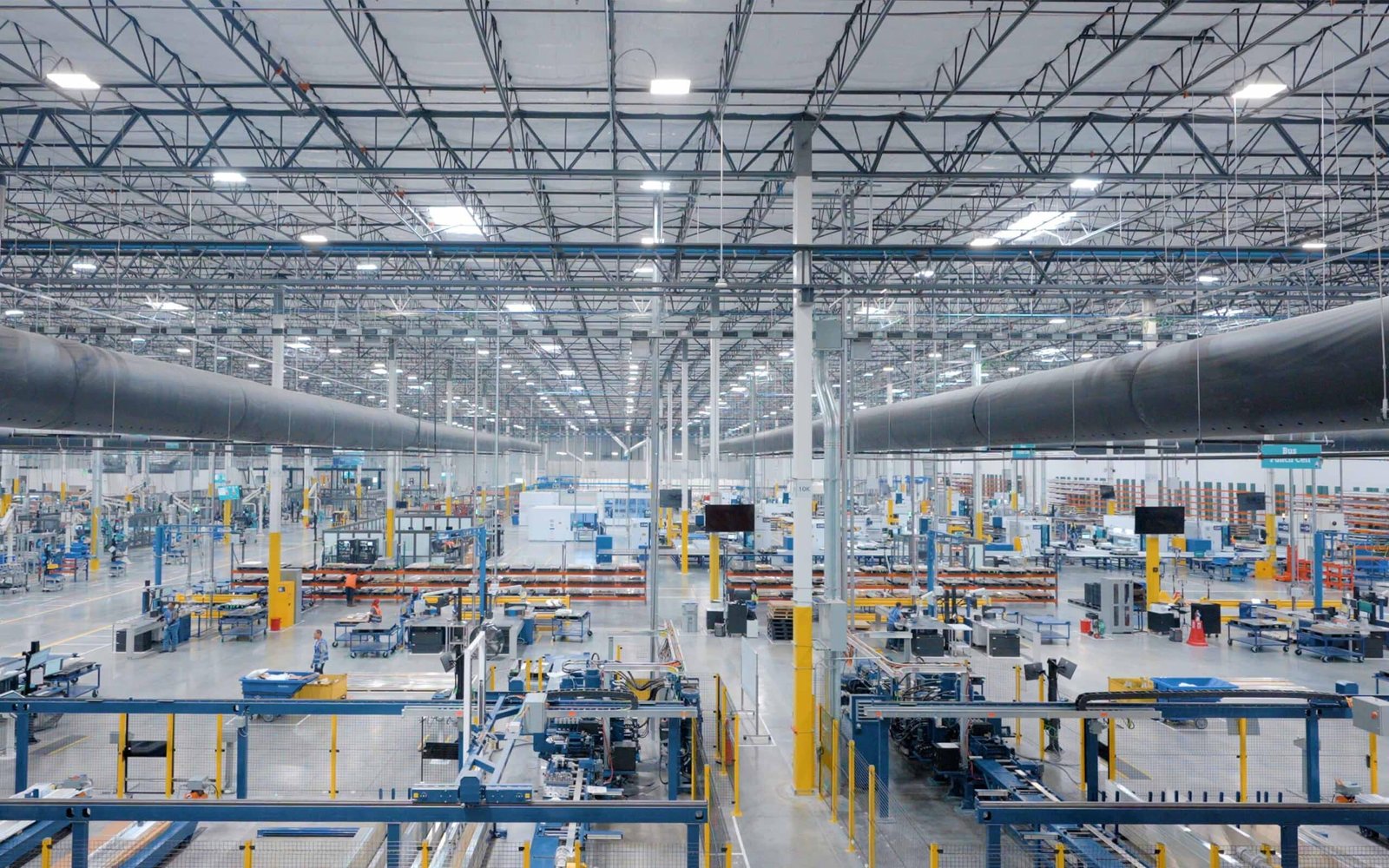
EV charging turns a fleet yard into a power project. A depot that once needed lights and a few outlets now needs switchgear, transformers, conduit under the pavement and a utility service that arrives on its own timeline. We build for automotive and EV owners in Aurora and the east metro: dealer service centers, fleet depots, maintenance bays, parts distribution and light assembly, all laid out around vehicle flow and electrical capacity.
Colorado law points the same way. HB22-1362 requires any county or city that updates its building code on or after July 1, 2023 to adopt an energy code at least as strong as the 2021 IECC plus the state model electric and solar ready code, so new commercial buildings are expected to leave room for solar and electric equipment. We treat that as a design input from the first sketch, not a late change. In practice that means a roof framed for future solar, an electrical room with space for added gear and a site plan that keeps transformer pads accessible to the utility's trucks.
For depots and dealerships, see how we handle automotive fleet facilities, and for shop buildings with lifts and heavy equipment, maintenance shops and service bays.
Roads, parcels and vehicle access
The vehicle economy lives on the road network. E-470 and State Highway 83 are the major highways serving Parker, which had 58,512 residents at the 2020 census, and the two Compark470 buildings there, about 133,133 square feet of shallow-bay industrial space near Compark Boulevard and Chambers Road, have access to E-470 and I-25. Shallow-bay formats suit parts distribution, upfitters and service tenants who need a drive-in door more than a deep dock.
Brighton, the Adams County seat, is served by U.S. 85 and State Highway 7 and has E-470 interchanges linking to I-76. Farther south, E-470 exit 28 at Peña Boulevard serves Denver International Airport. We think about EV and fleet depots in terms of those routes: where vehicles start the day, where they charge, and how fast a service call reaches the highway.
Electrical and yard work EV sites depend on
Power is the long pole. Yard lighting and electrical site work covers conduit, pull boxes, transformer pads and light poles, and we run empty conduit to future charging positions while the pavement is open. A depot that adds chargers later without that conduit has to saw, trench and repave.
Parking and circulation matter just as much. Our stabilized parking lots are graded for drainage, designed for heavy-vehicle turning and laid out so charging bays, light-duty vehicles and delivery trucks have separate paths. We settle the layout with your fleet manager before pavement sections are set. Pavement thickness follows the heaviest vehicle in the fleet, and charging pads get their own concrete sections so a failed joint never takes a charger out of service.
Phasing around vehicles you cannot park
Fleet owners cannot park a hundred vehicles for a month. We phase the site so part of the yard stays live: rebuild one third, move vehicles, repeat. Shop work follows the same logic, with bay-by-bay upgrades, pit and lift installations done on weekends and temporary power to keep service running. Hours, access and security are agreed before mobilization.
Long-lead items drive the date again. Switchgear, transformers and charger equipment can arrive months after order, and the serving utility's service date may control the whole job. We carry utility milestones as a line in the schedule, and we advise owners to start the utility application before design is complete. A depot that waits for final drawings to ask the utility for capacity can finish its building and then wait months to energize it.
Design-build for shops and depots
We prefer a short design-build process for vehicle facilities because the details repeat: bay width, door height, lift type, trench drains, oil separators, ventilation and compressed air. With industrial design-build we settle those items in one workshop, price the building and site together and commit to a schedule.
Environmental details deserve attention. Floor drains in service areas lead to oil-water separators, wash bays need reclaim systems, and battery storage rooms need ventilation and fire separation. Aurora lists the 2021 International Building Code with the 2023 National Electrical Code, and we raise those items with the permitting office from the start. Our work for utility and power owners helps here because the vocabulary is shared: service size, metering and switchgear.
Facilities we build for vehicle owners
The automotive and EV plant is the heaviest category, with production floors, battery handling, test areas and large truck courts. At the other end sit service centers and fleet depots, which are lighter structures with more doors, more electrical and more drainage than a typical warehouse.
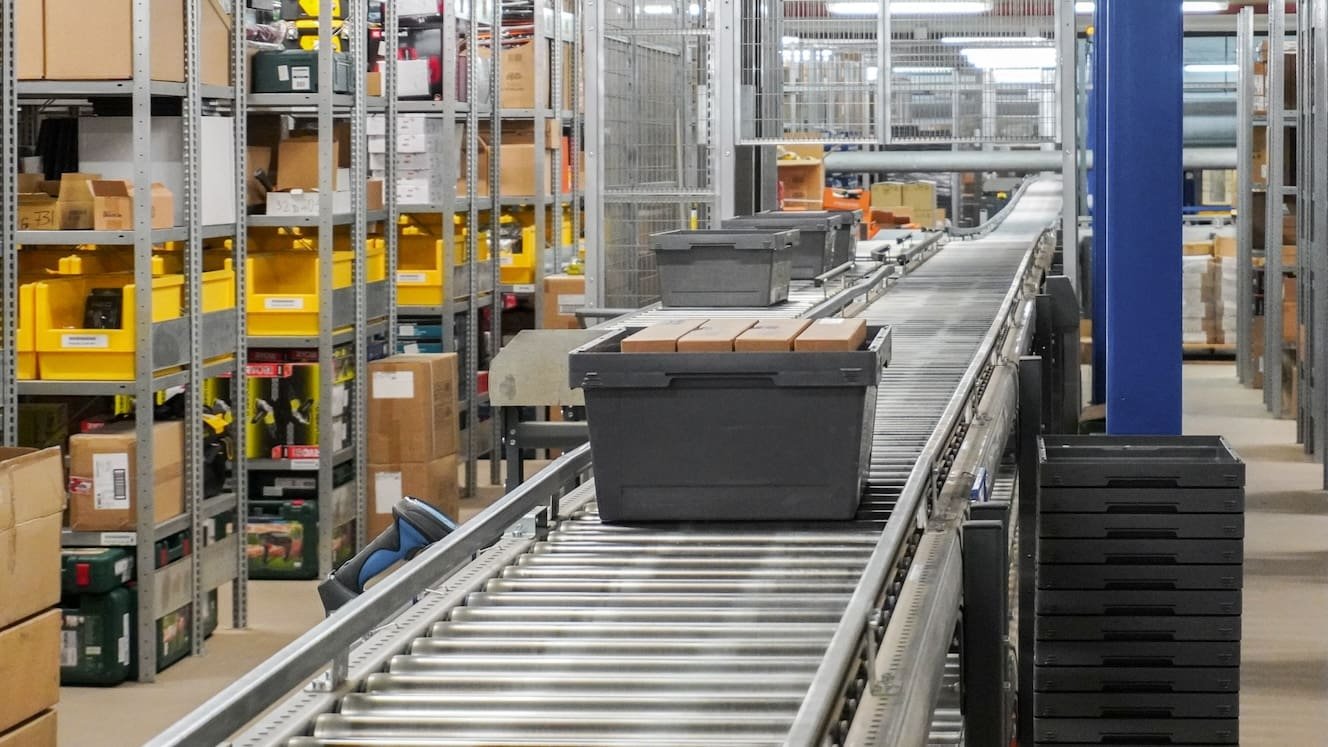
In between are buildings for upfitters, parts houses and mobile service operators. These use a flex-style shell with drive-in doors and a showroom or office wing. For component and parts supply chains, logistics and distribution shares many details, from dock counts to truck-court turning paths. Dealers and service operators that also stock parts often want a small warehouse wing, and we size its docks for the delivery trucks that actually call.
Plan your depot power first
Tell us the fleet size, the charger plan and the utility timeline. We will return a layout, a conduit plan and a phased schedule.
Questions Owners Ask
How much electrical capacity should a new fleet depot plan for?
More than today's chargers need. Size the service, transformer pad and conduit for the full fleet you expect, even if you install chargers in phases. Pulling empty conduit now is inexpensive, and the utility can tell you early what service size is realistic.
Can chargers be added to an existing yard without a rebuild?
Sometimes. It depends on service capacity, conduit routes and pavement condition. We survey the yard, then price saw-cut trenching, pads and new switchgear against a staged repaving plan, so you can see the true cost of retrofit.
What do service bays need that warehouses do not?
Trench drains, oil separators, lifts or pits, vehicle exhaust and compressed air. Floors are poured with the lift and pit details in them. We also coordinate fire separation for battery and flammable storage.
How do you build without stopping vehicle operations?
By phasing the yard and the shop so part of the site stays live. We agree on work areas, hours and temporary power with your fleet manager, and we use weekends for utility tie-ins and lift installations.
What should we ask the utility before choosing a site?
Ask for the available capacity at the parcel, the cost and timing of a new service and who pays for upstream upgrades. A site that looks cheap can be expensive once transformers and line extensions are priced. We help you compare parcels on delivered power, not land price alone.
Does the state energy rule affect a vehicle facility?
Yes. HB22-1362 sets an energy-code floor wherever a building code is updated after July 1, 2023, along with solar and electric readiness. We confirm what applies in your jurisdiction and design the roof and electrical room accordingly.
Related
Related Services
Related Building Types
Related Industries
Ready to talk about your project?
Request a Project Review