Vibration is what separates an equipment pad from a slab. A press that cycles forty times a minute, a compressor that shakes at a fixed frequency and a chiller that needs to stay level over decades each demand a foundation designed for that machine. A pad that is simply thick will crack, settle or transmit the vibration across the floor into everything else in the building.
We build equipment pads and foundations for process lines, rotating machinery, tanks, transformers and mechanical yards. The work starts with the vendor's drawing, which sets the bolt pattern, the weight, the dynamic load and the tolerance for level, and it ends with a surveyed, documented foundation that the vendor's rigger can set the machine on without shims or surprises.
The east metro has the kind of industrial growth that makes this work routine: wind turbine components in Brighton, aviation, aerospace and advanced manufacturing targeted along I-70 near Bennett, and a steady flow of cold storage and distribution buildings with large mechanical yards. We understand how to sequence pads with the rest of the site.
From small pads to engineered foundations
Small pads carry rooftop-yard equipment, generators and electrical gear. They are usually reinforced slabs with edge thickening, anchor bolts or embedded plates, and conduit stubs placed before the pour. Mid-size foundations carry compressors, air handlers and process skids, and they often include a pit, a drain and a grouting recess. Large foundations carry presses, mills, test stands and heavy rotating equipment, and they are engineered as mass concrete, with thick sections, heavy reinforcement and sometimes isolation from the building slab.
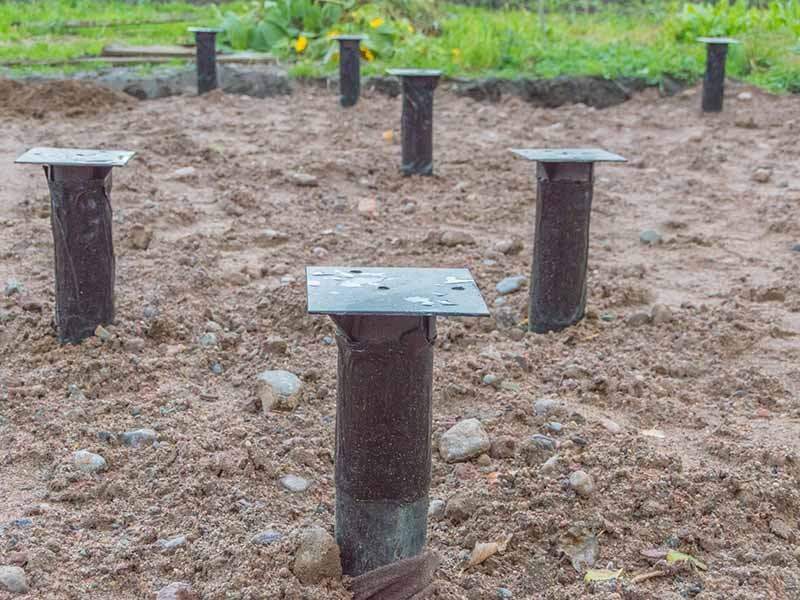
We set anchor bolts and sleeves to template, hold them with rigid frames during the pour, and survey them before and after. Grout, base plates and leveling nuts are detailed in advance. We also coordinate curbs, containment and secondary drainage for oil, chemical or coolant, which are a common source of environmental findings if overlooked.
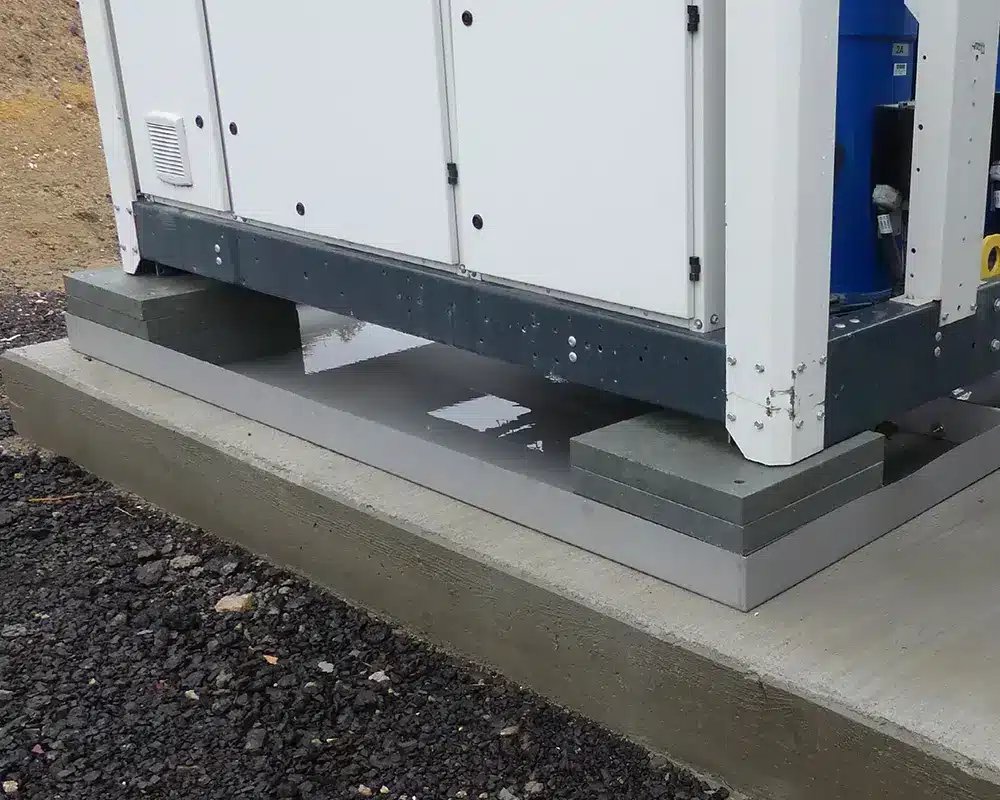
Outdoor mechanical yards add their own details. Transformer and generator pads sit on compacted base with conduit stubs cast in and clearances set by the utility and the fire code. Tank pads need ring walls or containment basins sized to the stored volume. Chiller and cooling tower pads need drainage and a way to keep ice and snow off the access route in winter. We lay these out so a crane, a service truck and a maintenance crew can all reach the equipment.
Questions to settle with the vendor
Before we form anything, we need the machine's weight, operating weight, dynamic loads, frequency, bolt layout, allowable settlement and any vibration isolation requirement. Some machines require a separate foundation block, some allow connection to the building slab, and some need a floating mass on springs or pads. We ask for these early because changing a foundation after steel is up is costly.
We also look at utilities, access and future change. Trenches for power, fluid and air should be cast or sleeved before the pour. The route that brings the machine into the building must have the headroom, floor strength and turning room for the move. If you plan to replace or add a machine within a few years, we leave extra sleeves and a clear path, which costs very little during construction.
Engineering and approval
Foundations for machinery are often designed by a structural engineer using the vendor's loads, and the building department reviews them under the adopted code. Unincorporated Weld County adopted the 2024 International Building Code effective June 15, 2026, with engineered foundation designs required for most new structures. Aurora and Arapahoe County are on the 2021 codes, while Adams County remains on 2018 while adopting 2024. The rules for an engineered foundation can differ by a few miles, so we confirm them before pricing.
Colorado energy requirements also shape mechanical yards. HB22-1362 requires any county or municipality that updates a building code on or after July 1, 2023 to adopt an energy code with equivalent or better performance than the 2021 IECC, and the benchmark becomes the state model low energy and carbon code from July 1, 2026. That affects chiller and boiler selections, which in turn affect the pad size and weight.
How the trade work is coordinated
We coordinate forming, reinforcing, embeds, placement and finishing with qualified foundation trade partners, with tolerances checked at each handoff. Coordinated trade partners place industrial concrete floors, so the transition between machine pad and floor is smooth, with the joint between them located and sealed to prevent damage.
Where a foundation needs piers, caissons or deeper support, we coordinate with our deep foundation and pier work so the pad sits on bearing that matches the design. For machines that require a drilled shaft, the trade partners for drilled pier foundations can install the shafts ahead of the pad.
Setting the pad before the machine arrives
Foundations are on the critical path for plants that are installing equipment with long lead times. A press that arrives on a fixed date needs a cured, surveyed foundation waiting for it. We back-plan from the delivery date, add time for curing and for grout, and agree with the vendor on the inspection that releases the machine to set.
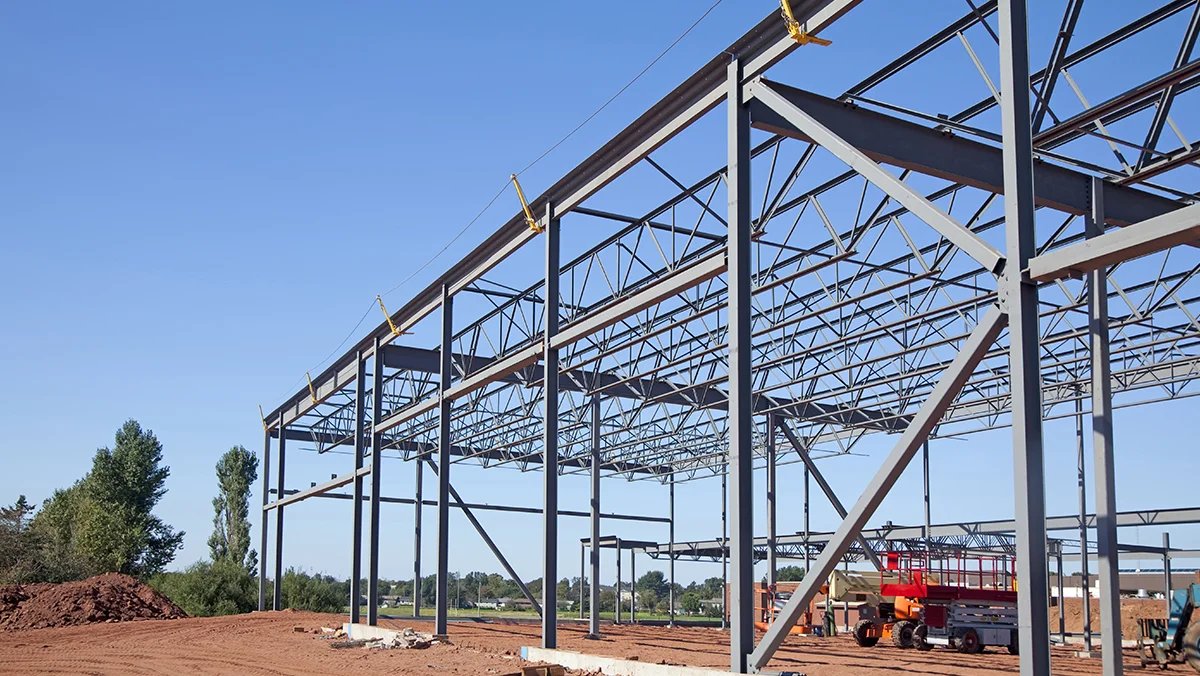
We pour foundations early in the building sequence, usually before the slab, so heavy placement does not interfere with the floor. When a foundation has to be built inside an existing building, we plan saw cutting, demolition, dust control and noise limits with the plant's operations lead. A manufacturing plant expanding into new production space is a typical example, and one that advanced manufacturing owners see regularly.
Send the vendor drawing
Share the equipment drawings and the delivery date. We will return a foundation approach, a pour schedule and a price.
Questions Owners Ask
Can heavy equipment sit on a normal warehouse slab?
Light equipment can, if the slab is thick enough and the point loads are spread. Heavy or vibrating machinery usually needs a thicker pad or separate foundation. Ask the vendor for the machine loads and let an engineer confirm the slab, or let us arrange it.
How tight are anchor bolt tolerances?
Tight enough that a base plate drops onto the bolts without forcing. We set bolts with templates, brace them against movement during the pour and survey them afterward. If a bolt is off, we know before the machine arrives.
How long does a foundation need to cure before the machine is set?
For many foundations, a week or more, depending on the mix, weather and the machine. Heavy equipment may require full design strength. We schedule from test results and the vendor requirements rather than guess.
What if the soil is poor at the pad location?
We review the geotechnical report and consider overexcavation, engineered fill, a thicker mat or piers. Expansive or soft soils can cause uneven settlement, which hurts alignment. It is cheaper to fix the soil than to re-level a machine.
Do you handle containment and drainage around the pad?
Yes. We build curbs, sumps and drains so spills collect and route to proper treatment. We also slope the pad away from the machine and seal joints where fluids could reach the soil.
Related
Related Services
Related Building Types
Related Service Areas
Ready to talk about your project?
Request a Project Review