Surveys come before the excavator. A plant with a long operating history may hold asbestos in pipe wrap, lead in paint, oil in sumps and abandoned process lines nobody has drawn, and the safest and cheapest demolition is the one that finds all of that before the first cut. We start every industrial demolition with a paper trail and a walk, and the machinery arrives only when the owner, the regulators and the construction trade team agree on what is in the building.
We demolish and clear industrial buildings, interior process areas, mezzanines, tanks, foundations, paving and utilities. The work might be a selective strip-out to prepare for a new tenant, a full teardown to make way for a new plant, or removal of an old yard so a new truck court can go in. Whatever the scale, the goal is a clean, graded and documented site that is ready for the next builder, which in many cases is us.
Why reuse and clearing keep coming up here
Redevelopment is a long-running theme in the Aurora area. The Fitzsimons redevelopment was projected at a value of $5 billion, and in 2008 the campus employed 16,000 workers and generated about $3.5 billion for Colorado's economy, after the base closed in 1996. That kind of turnaround begins with clearing and site preparation, and it illustrates how a cleared parcel can become one of the metro's most valuable districts.
Out east, the pattern is different but related. Watkins, an unincorporated community that borders Aurora, once held Skyline Airport, with a 5,200 foot longest runway built in the early 1960s and closed by 1980. Old airfields, farms and yards leave paving, foundations and buried utilities that must be removed before new industrial buildings can rise, and our Watkins work starts with that assessment.
Selective strip-out, structural demolition and site clearing
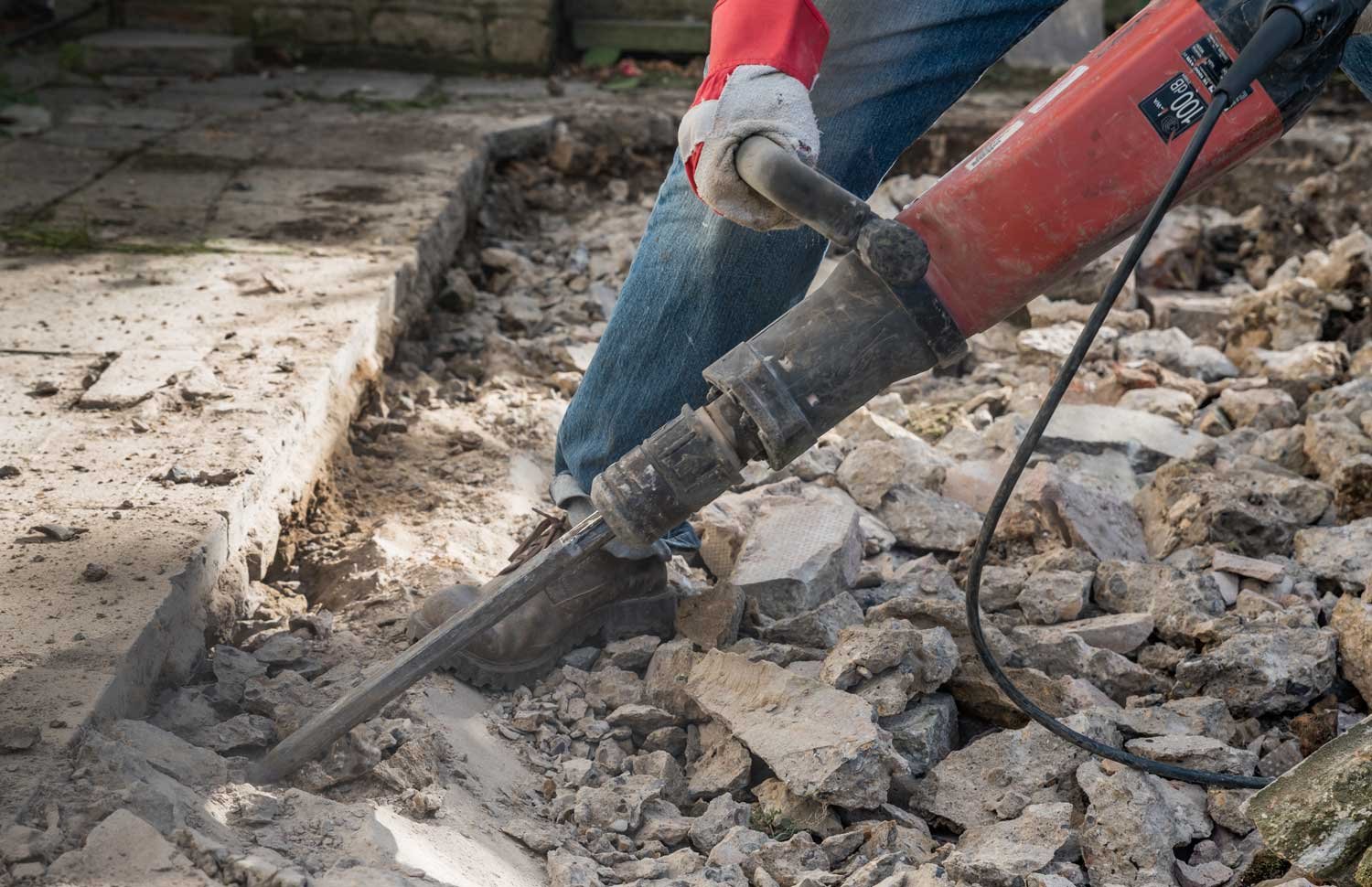
Selective demolition removes only what is specified: interior walls, equipment, mezzanines, ductwork, roof sections or utilities. The rest of the building stays in service or stays intact for reuse. This is common when we prepare a space for industrial renovations and modernization, and it requires more care than a full teardown because of the proximity of live systems.
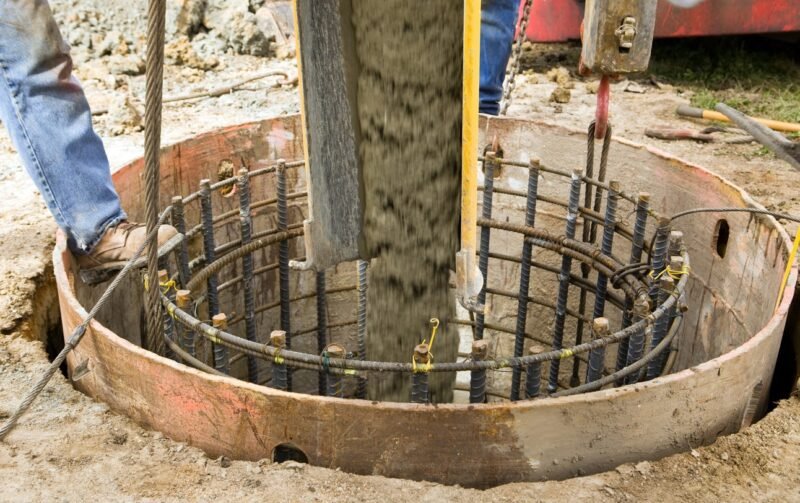
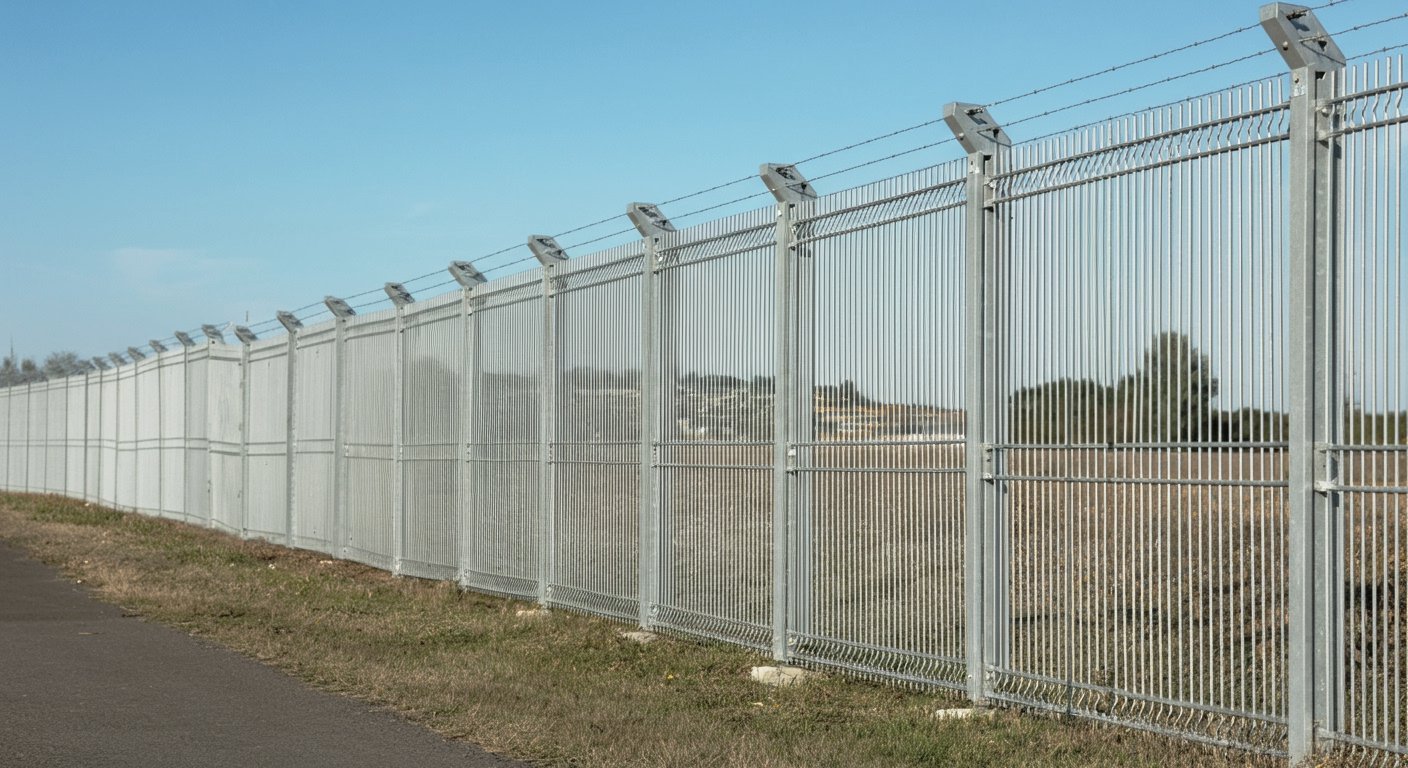
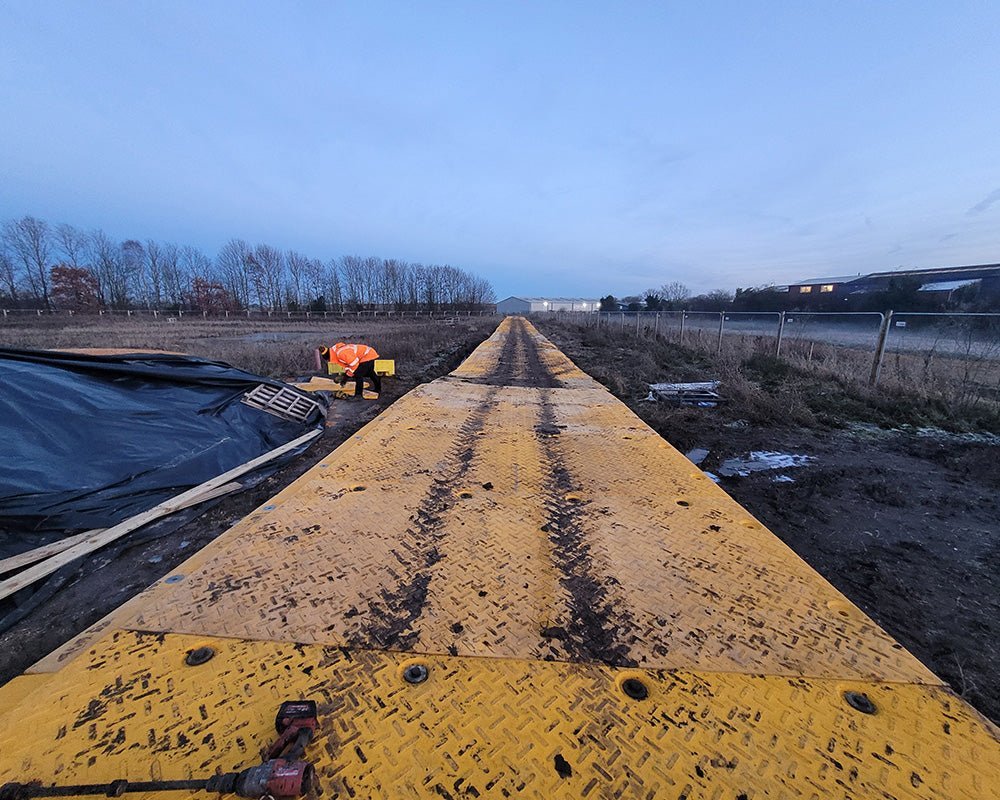
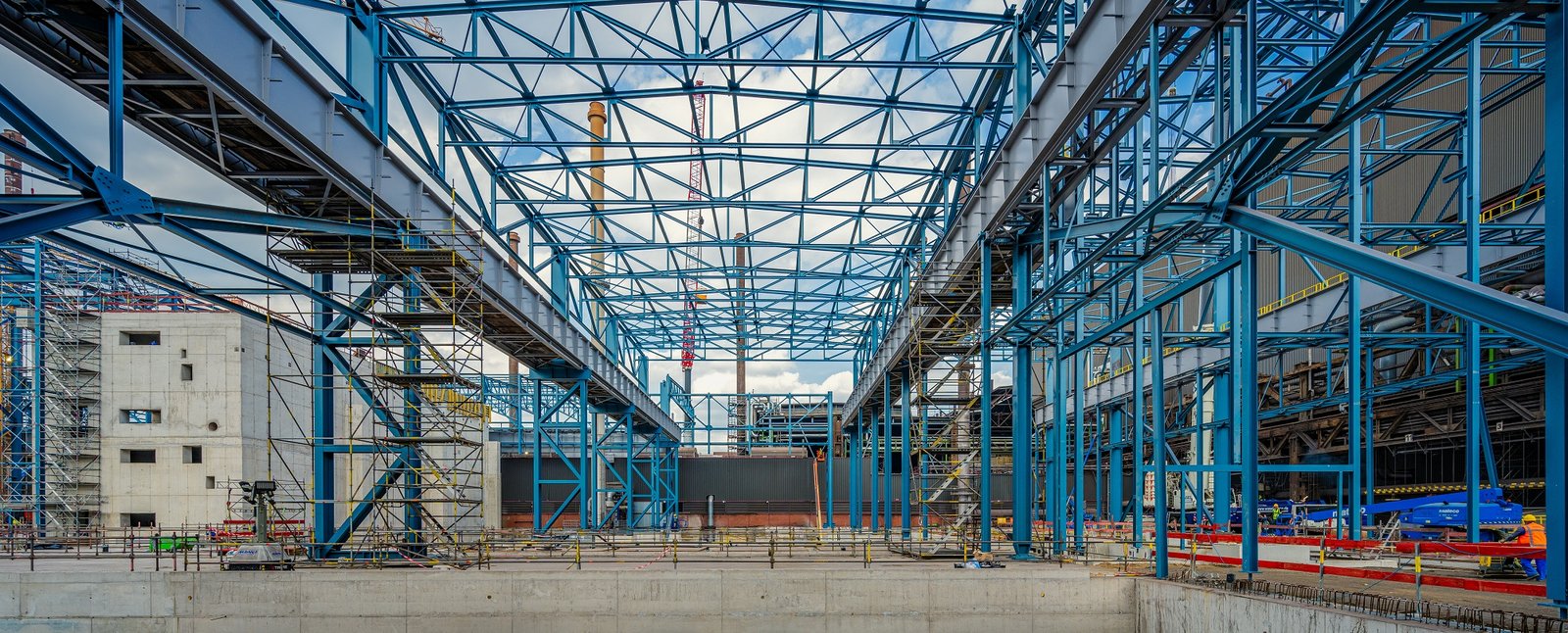
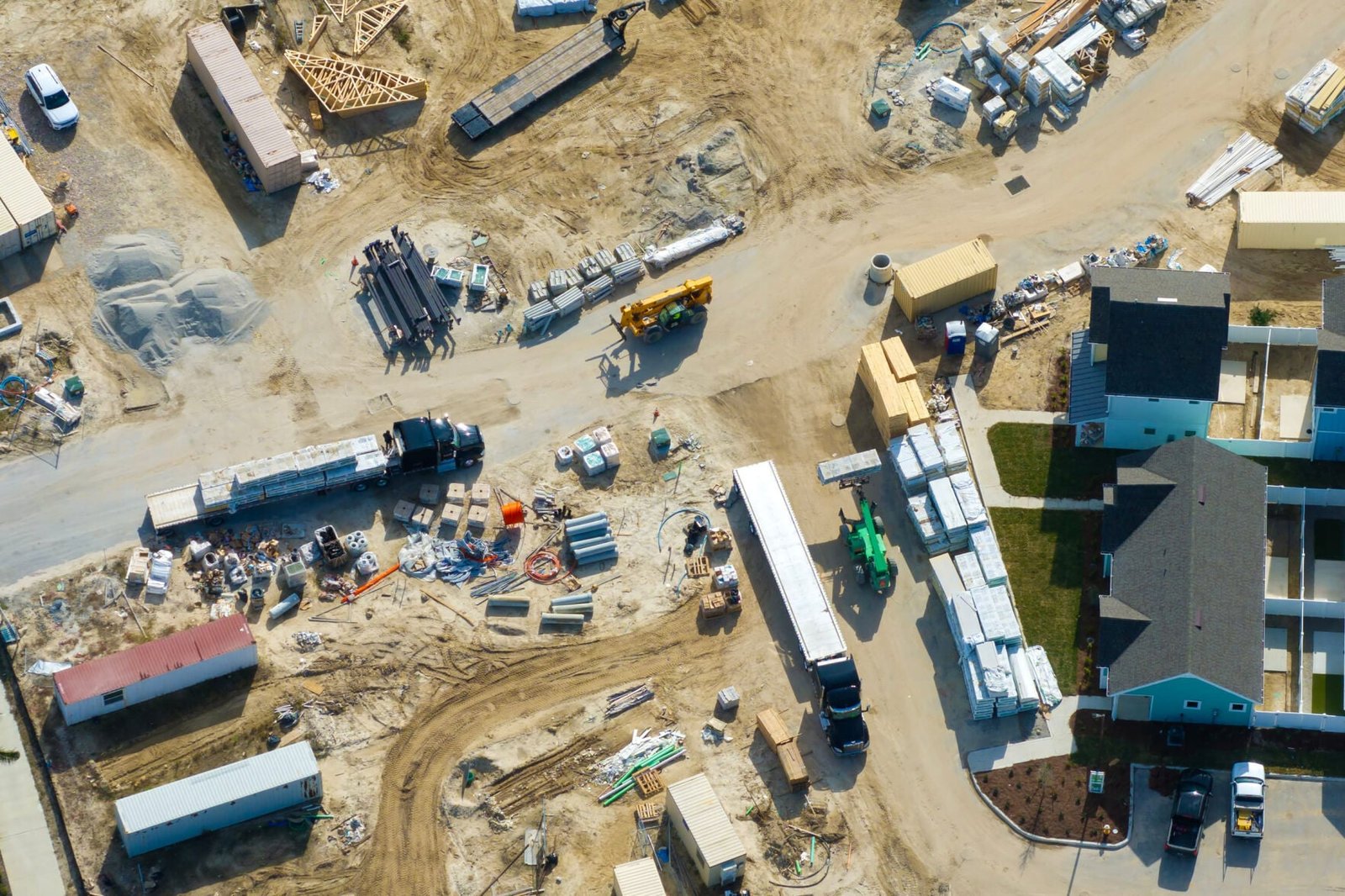
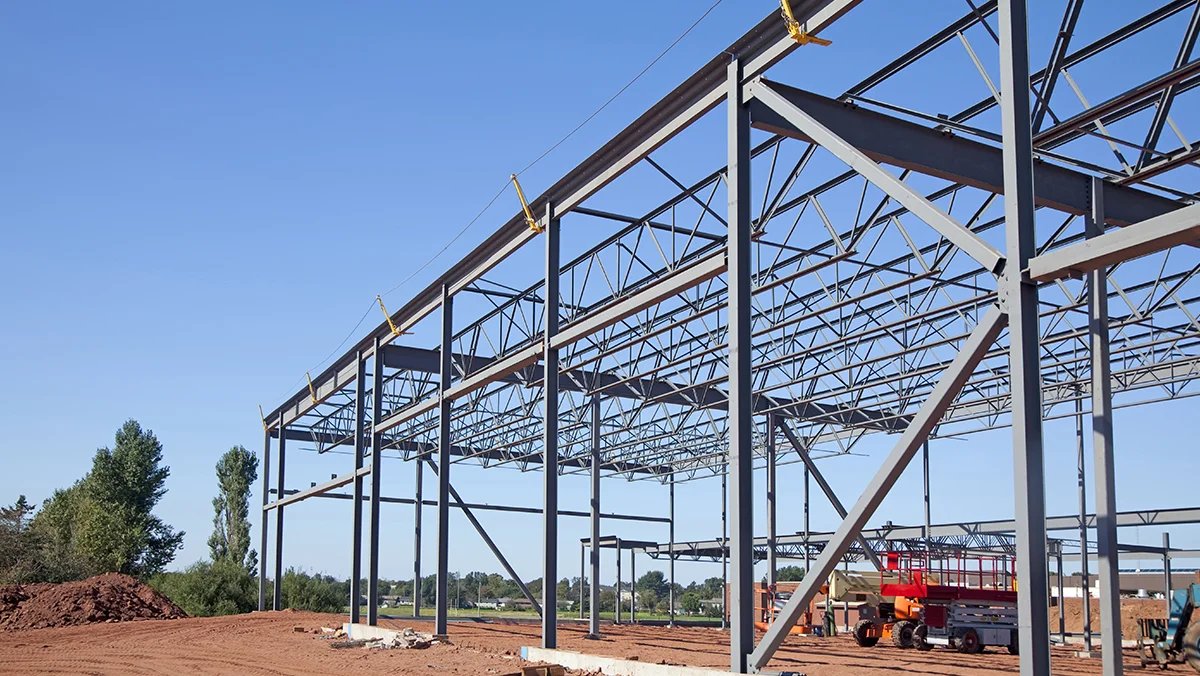
Structural demolition takes down steel frames, tilt panels, masonry and foundations, and sorts the debris for recycling. Site clearing covers fences, paving, trees, tanks, vaults and underground structures. We hand over a graded and compacted site, ready for site clearing and mass grading if needed, or for the next phase of design.
Permits, notices and hazardous materials
A demolition permit is only the start. Buildings of any age need an asbestos survey before demolition, and the owner or contractor files notifications with the state health department. Dust control plans, stormwater controls for any disturbed area and utility disconnect letters are all part of the package. Aurora's Public Works Building Division lists the 2021 International Building Code and other 2021 I-codes as its adopted building codes, and the permit desk reviews demolition and replacement work against that framework.
Utility disconnects take time. Gas, electric, water, sewer and communications each need a request, a date and a confirmation, and the plan must show which lines are capped and where. We manage those letters and the final meter pulls, because missing one can delay the entire start.
Controlled collapse and controlled exposure
The main hazards are structural instability, falling material, silica and other dust, noise, energized utilities and confined spaces. A written demolition plan, prepared by a competent person, sets the sequence: what comes down first, how elements are braced, where the exclusion zone sits and who can enter it. We follow that plan day by day and change it in writing if conditions differ.
Neighbors share the risk. In a business park or beside an occupied plant, we use water suppression, barriers, vibration monitoring and traffic control to keep the work from spilling over. The metals and heavy industry sector is a good example, since heavy plant removal involves large cuts, lifting plans and hot work that must be scheduled around everything else.
Reuse, recycle, then dispose
Steel, concrete, copper, aluminum and equipment have value, and we plan the demolition to capture it. Concrete is crushed on site or at a recycler and reused as base material where specifications allow. Structural steel and process equipment may be sold or reused. Value from salvage reduces your net cost, and we show it as a credit in our estimate.
We also look at what the site needs next. If the pad will carry a new manufacturing plant or warehouse, we leave foundations in place when they are sound, and we remove only what must go. That can save money and weeks, but only if a structural engineer confirms the existing concrete is suitable.
What changes the price of a teardown
Hazardous material abatement is the largest swing. Asbestos, lead paint, PCBs in old ballasts and contaminated soil can double a demolition budget if they are discovered late. The size and type of structure matter next: a tilt-wall building with thick panels takes different equipment than a light metal building. Access, haul distances and disposal costs complete the list.
We deliver a price in components: abatement, demolition, hauling, recycling credits and site restoration. The credits depend on commodity prices, so we explain which lines are fixed and which float. For slab-only work, see demolition and slab replacement, which is priced differently.
Sequence and speed
The calendar usually runs: survey and permits, utility disconnects, abatement, soft strip, structural demolition, foundation removal, backfill and grading. Permits and utility letters are the longest items and are not under our control, so we start them early. Once the site is released, demolition of a mid-sized building takes weeks, not months.
If the next project is already designed, we overlap. Demolition of one area can finish while foundations begin in another, and we coordinate so the new contractor never waits for a clean pad. When we handle both, there is one schedule and no handoff gap.
Start with a survey and a walk
Send us the address, the age of the building and any existing surveys. We will walk it, flag the hazards and return a staged price with salvage credits and a clean-site handoff date.
Questions Owners Ask
Do you handle asbestos and lead abatement?
We coordinate licensed abatement contractors and manage the sequence, because abatement must be done and cleared before demolition. The survey comes first, then a plan, then abatement, then a clearance report. We keep the records together for the owner.
How long does an industrial demolition take?
A mid-sized warehouse can be removed in weeks once permits and disconnects are in hand. Large plants with process equipment, hazardous materials and deep foundations take longer. We provide a schedule after the survey, because that is when the unknowns are known.
Can we keep part of the building and demolish the rest?
Yes. Partial demolition requires shoring, a new end wall, weather protection and careful separation of utilities. We prepare drawings showing how the remaining building is stabilized and closed in.
What happens to the concrete and steel?
Concrete is typically crushed and recycled as base. Steel is sorted and sold as scrap or reused. We document tonnage and disposal, which some owners need for sustainability reporting.
Do you remove underground tanks and old foundations?
Yes, with proper permits and testing. Tank removal involves closure reports and sampling, and old foundations may be removed or left depending on the plan. We identify these items during the survey to avoid surprises.
Do you also rebuild the site afterward?
Yes. We can grade, install utilities, pour new pads and build the new facility, or we can hand off a clean site to another builder. Doing both lets us plan demolition around the new work.
Related
Related Services
Related Building Types
Ready to talk about your project?
Request a Project Review