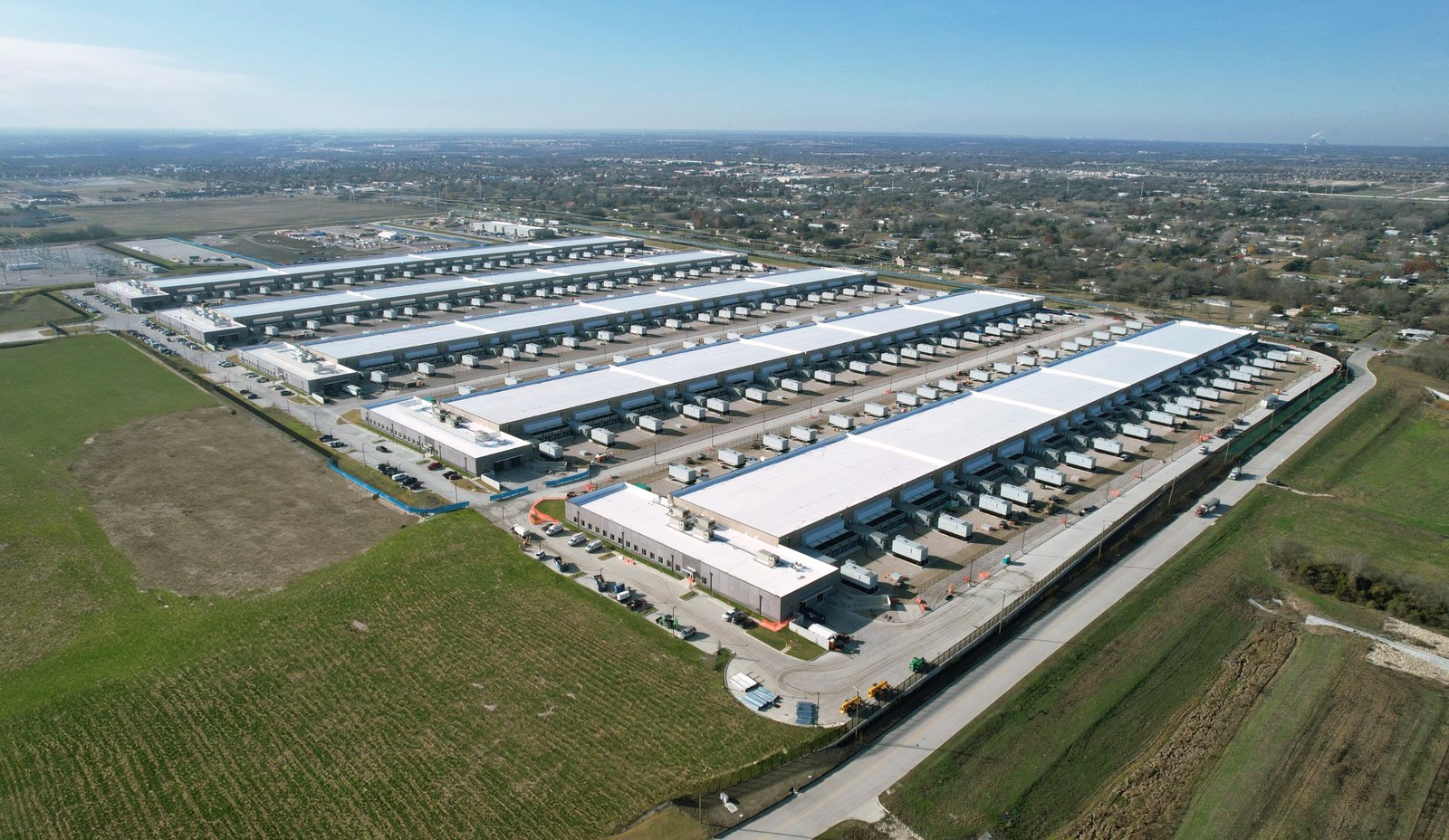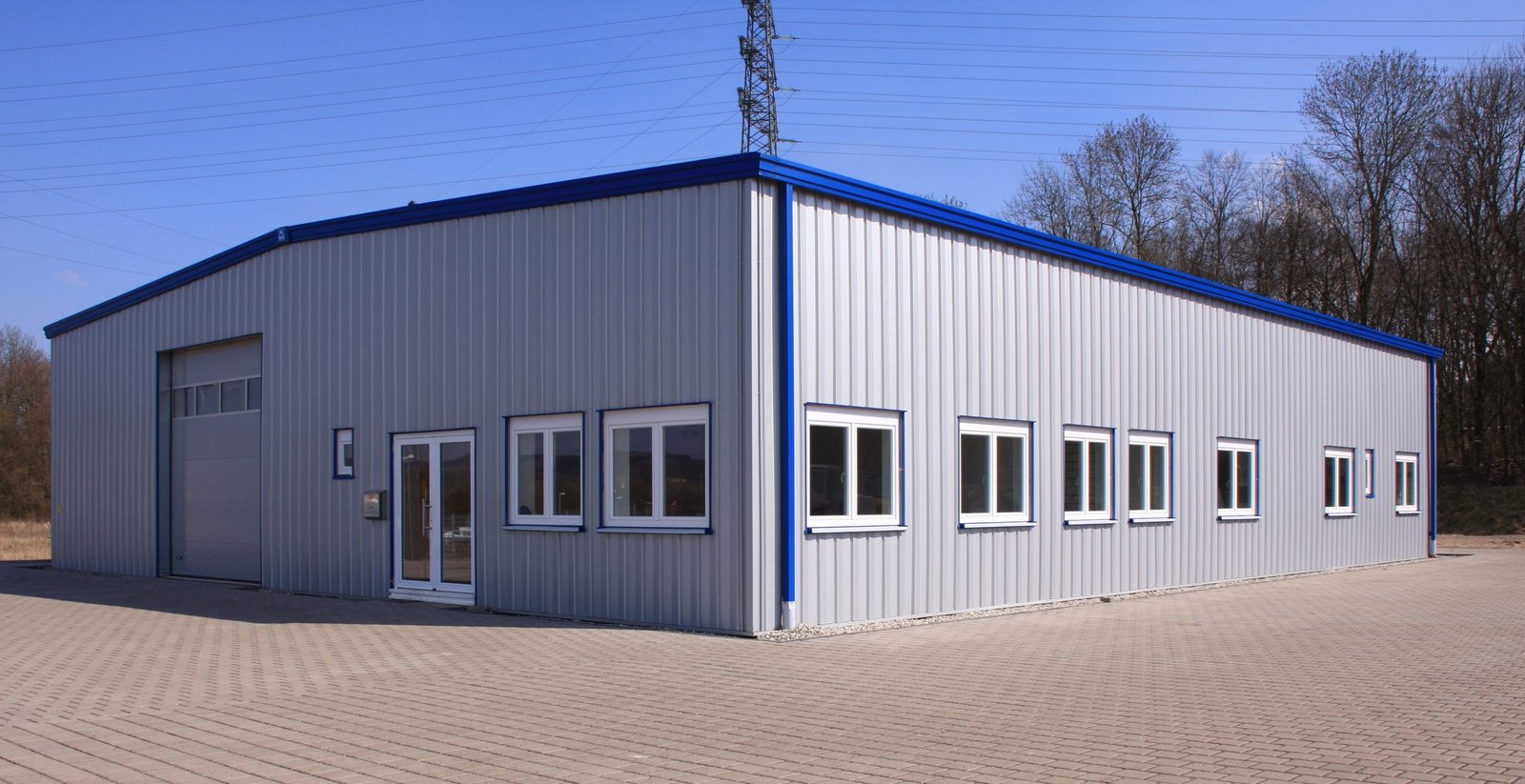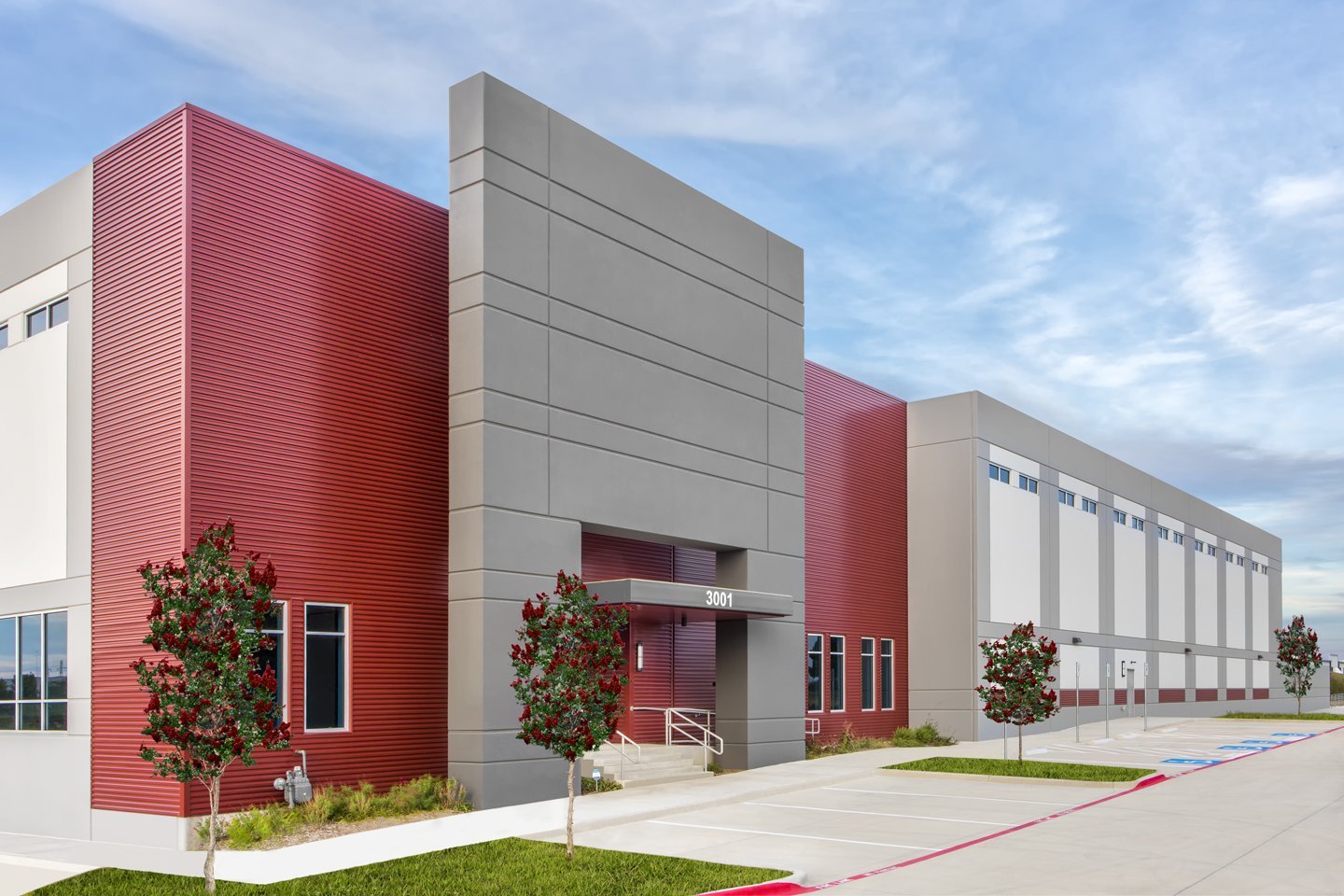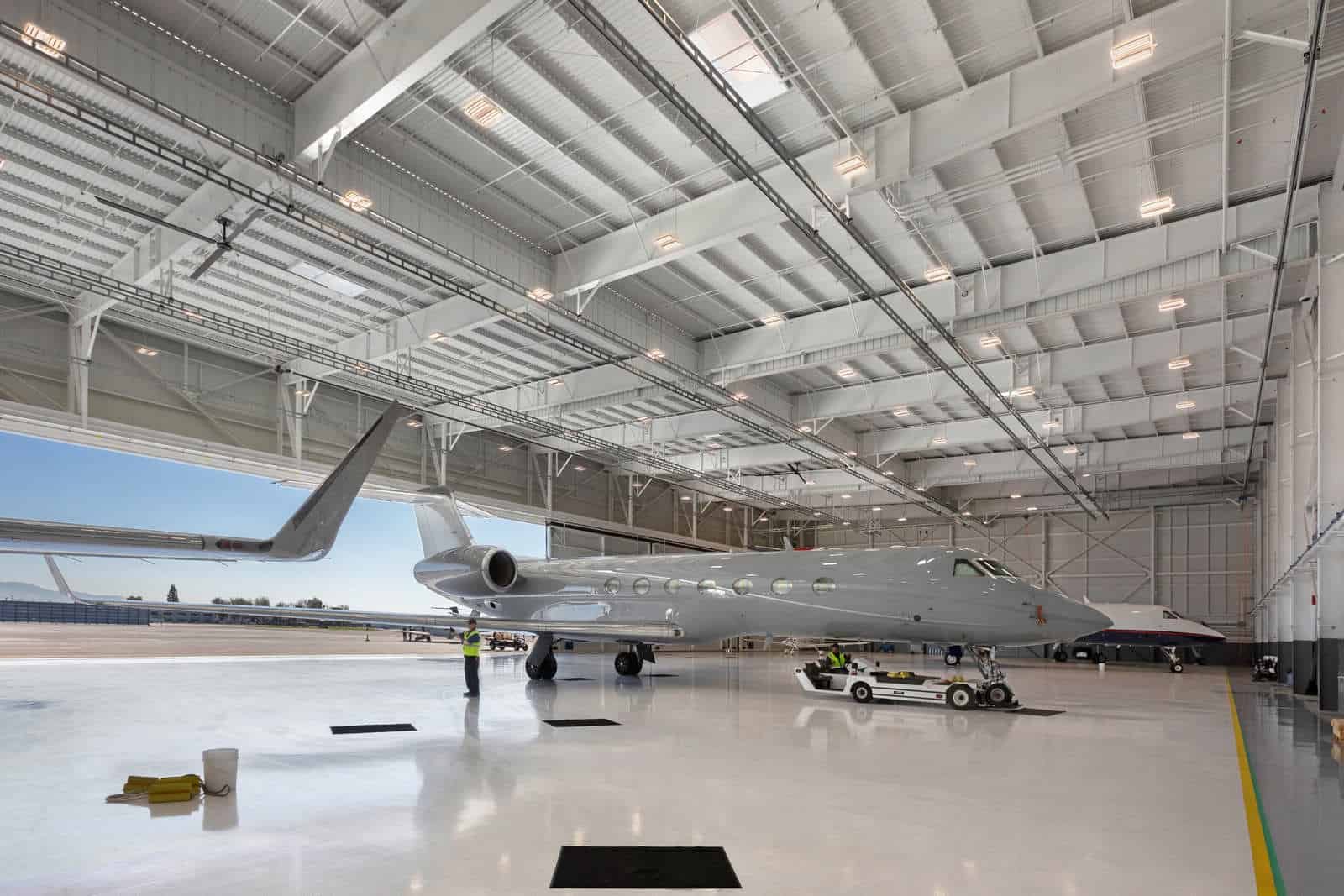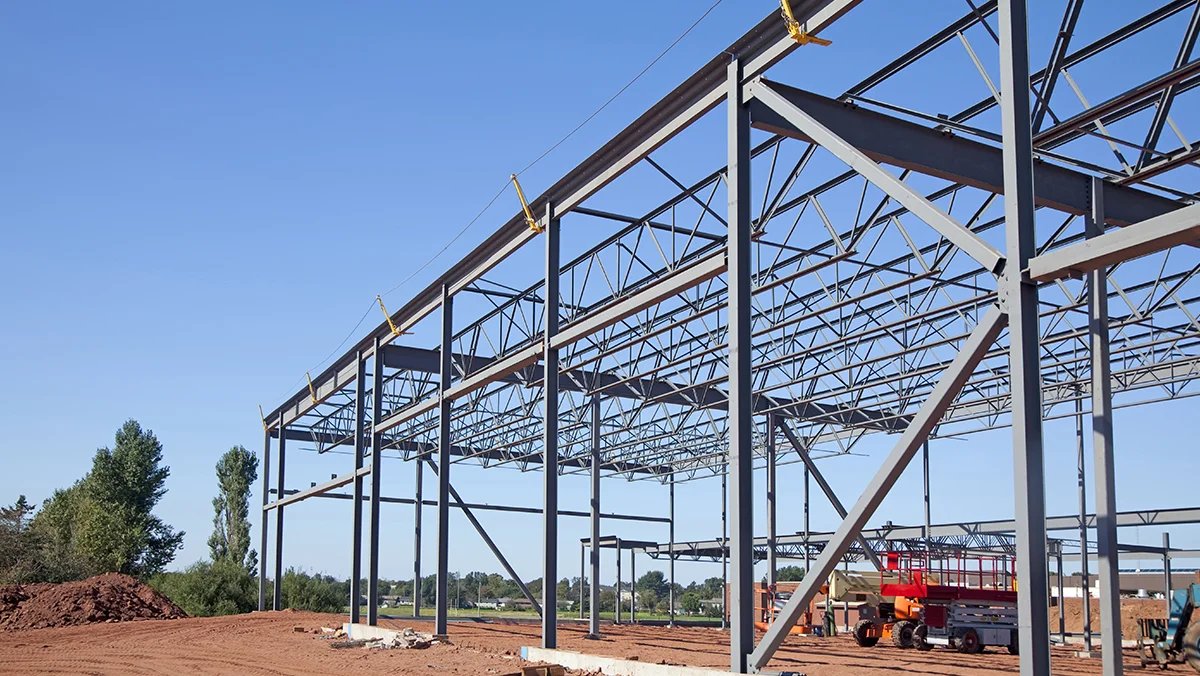
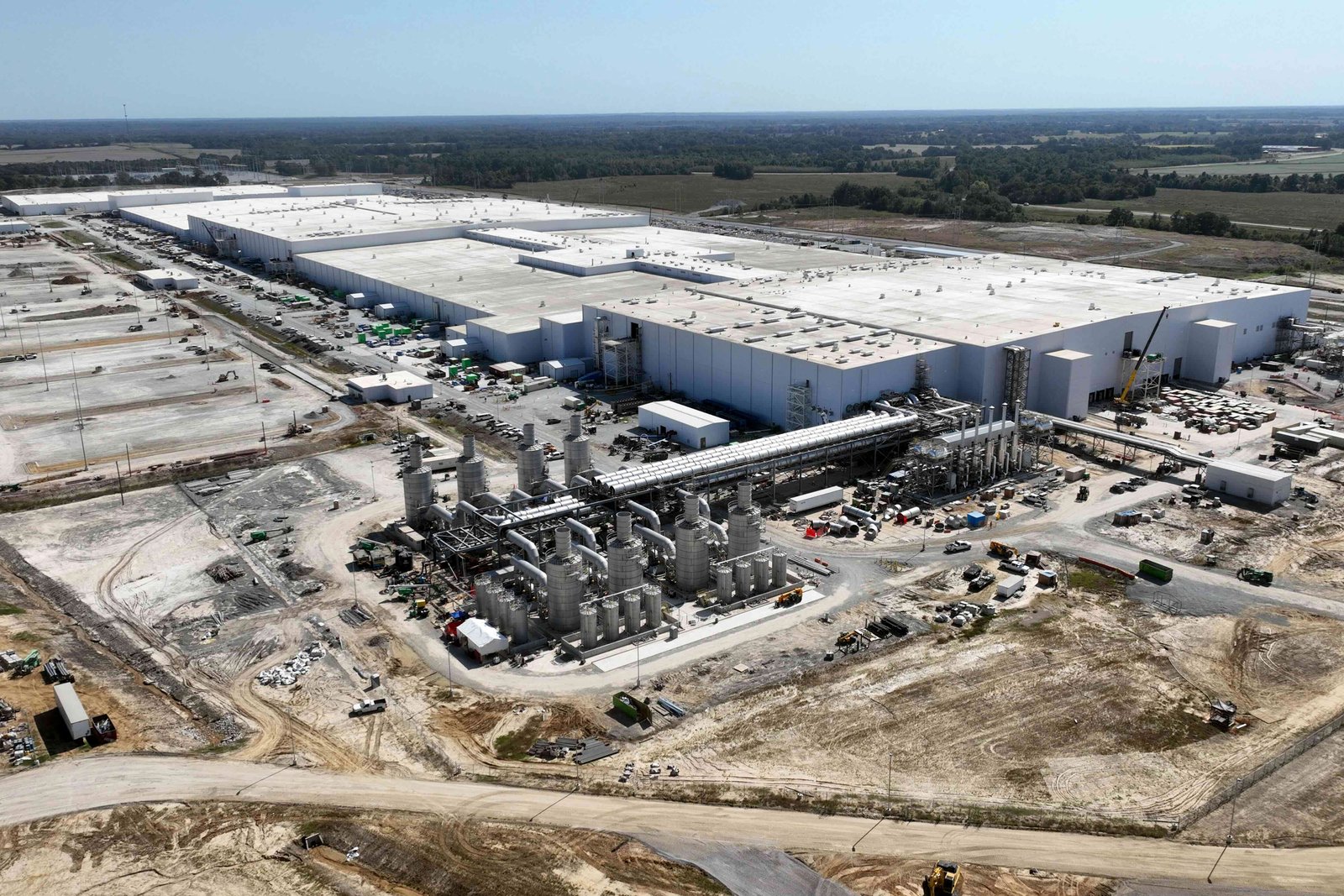
Cell-to-pack assembly, e-axle lines and charger production ask a building for the same three things: a slab that stays flat under automated vehicle traffic, power that lands before the equipment does, and a truck court that moves inbound racks without stacking trailers on the street. In the Aurora metro, the ground that can offer all three sits along E-470. The $87 million interchange at Aurora Highlands Parkway (Exit 22) fully opened on June 28, 2024, and it put a roughly 4,000-acre master plan on a direct ramp to the tollway.
We build automotive and EV plants as an industrial contractor, not as a general builder who takes on a factory once in a while. We start with the line layout and the electrical one-line, then work outward: foundations sized to the heaviest machine, structural bays sized to the process and conveyor loads, and a dock count and trailer parking field sized to the supply chain. Supplier-tier plants usually run to an OEM program date, so we plan backward from the launch, not forward from a drawing set.
East-metro parcels also carry airspace questions. Land near Denver International and Buckley Space Force Base can be subject to airport height and noise review, which matters for crane picks, roof-mounted equipment and exhaust stacks. We raise it on the first site walk, before a schedule gets built around a pick that nobody can approve.
What an EV or automotive supplier plant actually includes
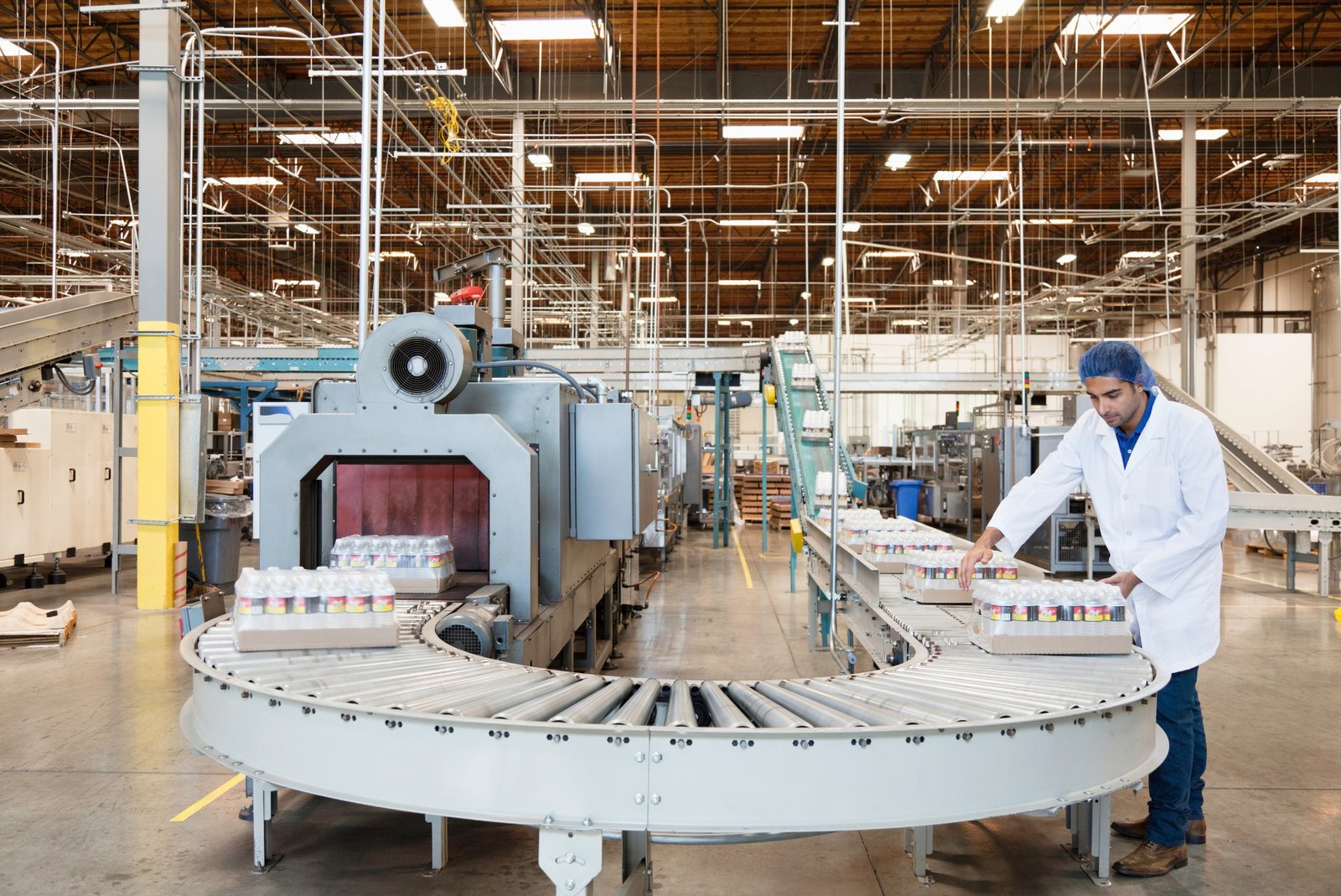
The building is the smaller part of the scope. A stamping or machining line needs press and machine foundations with deep pits, isolation joints and embedded plates, all poured before the shell closes in. A module and pack assembly area wants a tight, dry, clean interior with controlled access. A charger or power-electronics line is closer to high-bay flex space, with test cells that pull real electrical load during burn-in.
Outside, we lay out the truck court around the part flow: inbound racks on one side, finished goods on the other, and enough staging depth that a late carrier does not block the next one. Dock counts follow the production rate, and we confirm them against trailer turn times before the slab is drawn. The trade partners for industrial concrete floors handle the slab work, and the equipment pads and foundations package is bid alongside it so the two never conflict on elevations.
Why the east and southeast metro suits manufacturers
The Aerotropolis Regional Transportation Authority is building roads across about 21,000 acres south of Denver International Airport, bounded by E-470, Powhaton Road, and 26th and 48th Avenues, and the studies behind it cite 40 million square feet of industrial and commercial space and 170,000 jobs at build-out. A supplier deciding where to put a plant is looking at that road program as much as at the land price.
Heavy manufacturing already has a footprint in the wider metro. Two Vestas plants in Brighton make wind turbine blades and nacelles, valued at $290 million and providing 1,350 jobs, which shows the kind of freight, crane and foundation demands this region has accommodated. Rail-served ground exists too: Rocky Mountain Rail Park covers 620 acres near Manila Road and I-70, next to the Colorado Air and Space Port. We compare these corridors with you on the basis of dock access, utility capacity and entitlement status, and we point you toward the E-470 corridor or Aurora Highlands when the numbers favor them.
Codes and permit reviews that shape a production building
Aurora's Building Division lists the 2021 International Building Code with the 2023 National Electrical Code, plus City of Aurora amendments, and a Home Builders Association of Metro Denver tracker dated January 20, 2026 shows no plan to adopt the 2024 codes before the 2027 cycle. A plant permitted inside the city is therefore designed to the 2021 edition. Parcels that sit in unincorporated Adams County follow the county's adopted edition instead, and the same tracker shows Adams County on the 2018 IBC while it moves toward the 2024 codes. The jurisdiction line decides the code, so we confirm it before design starts.
Colorado's energy-code law, HB22-1362, requires any jurisdiction that updates its building code on or after July 1, 2023 to adopt an energy code at least as strict as the 2021 IECC, and the benchmark moves to the state model low energy and carbon code from July 1, 2026. Fire protection gets its own review when lithium-ion cells, solvents or large quantities of stored material are on the plan, and we bring the fire marshal in during design, not at plan review. Our permitting and entitlements coordination team keeps those submissions moving in parallel with civil.
Hitting an OEM launch date
Launch dates do not move, so the schedule is built around the items that can. Switchgear, transformers, bridge cranes and process equipment have the longest lead times, and we put them on a procurement register in the first weeks. Our long-lead procurement management service tracks every release date against the foundation and set-in-place milestones so that a late transformer is a known problem months ahead, not a surprise on the day of energization.
Sequence matters as much as speed. We mass grade and run underground utilities first, then pour the equipment foundations and the main slab while steel is being fabricated. Cold-weather concrete protection is built into winter pours, because the metro sees hard freezes and daytime thaws within the same week. Once the shell is dry, line installers can start while we finish the dock apron, fencing and paving.
Where the money goes on a supplier plant
Utility capacity is usually the first big number. A plant that draws several megawatts may need a new service from the utility, duct bank runs and on-site switchgear, and the utility's own timeline and fees can dominate the early budget. Process foundations come next, since a few deep machine pits can cost more than the same square footage of ordinary slab. Floor tolerance requirements for automated vehicles add finishing cost, and a tighter spec has to be priced against how much the production line really needs.
Site work is the quiet third driver. Truck courts built for heavy, repetitive loads need thick concrete or a deep-lift pavement section, and detention requirements on a large impervious footprint can take a meaningful share of the parcel. We price all of it in a conceptual estimate early, then test two or three alternatives, such as a larger building footprint with a smaller yard or a phased second line, so the owner picks with numbers in hand.
Planning a supplier plant in the east metro?
Send us the line layout, the target launch date and the parcel you are considering. We will come back with a conceptual schedule, a dock and yard plan, and a list of the utility and permit items that need to start first. See also our automotive and EV industry work and the manufacturing plant and logistics fulfillment center building types.
Questions Owners Ask
How much land does an EV component plant need once you count the truck court?
It depends on trailer volume, but the yard is usually bigger than owners expect. We size the truck court from the inbound and outbound dock count, then add trailer staging, a turning radius for 53-foot trailers and room for detention. Plan on the site being much larger than the building footprint alone, and tell us early if you want room for a second line.
Can you build near the airport without height trouble?
Yes, but we check first. Parcels around Denver International, Buckley Space Force Base and the Colorado Air and Space Port can face airport height and noise review that affects crane picks and rooftop equipment. We map those limits against your building height and equipment list before design is locked, then sequence crane work to match any approvals.
Which building code applies to a new plant in Aurora?
Inside the city, the 2021 International Building Code and the 2023 National Electrical Code with City of Aurora amendments. Outside the city line, the county sets the edition, and Adams County has been on an older edition while it moves to the 2024 codes. We confirm the jurisdiction on the parcel before engineering starts.
What slows down a plant opening the most?
Electrical service and long-lead gear, ahead of anything in the building itself. A utility upgrade can run longer than the shell, and a switchgear lead time can sit on the critical path for months. We start both in preconstruction and assign owners to each release date.
Do you take on expansions at an operating supplier plant?
Yes. Expansions on a running campus need separate construction traffic, controlled tie-ins and pours scheduled around shifts. We run separate haul routes and phase the tie-ins so production keeps shipping while we build.
Related
Related Services
Related Building Types
Related Service Areas
Ready to talk about your project?
Request a Project Review