Public owners in the east metro answer to different codes depending on which side of a line a parcel sits. The Home Builders Association of Metro Denver tracker dated January 20, 2026 shows Aurora and Arapahoe County on the 2021 I-codes, Adams County, Arvada and Castle Rock on the 2018 edition, and a few cities already on 2024. A county that owns an airport, a city that runs a public works yard and a special district that operates a tollway can each have a different reviewer, a different edition and a different procurement rulebook.
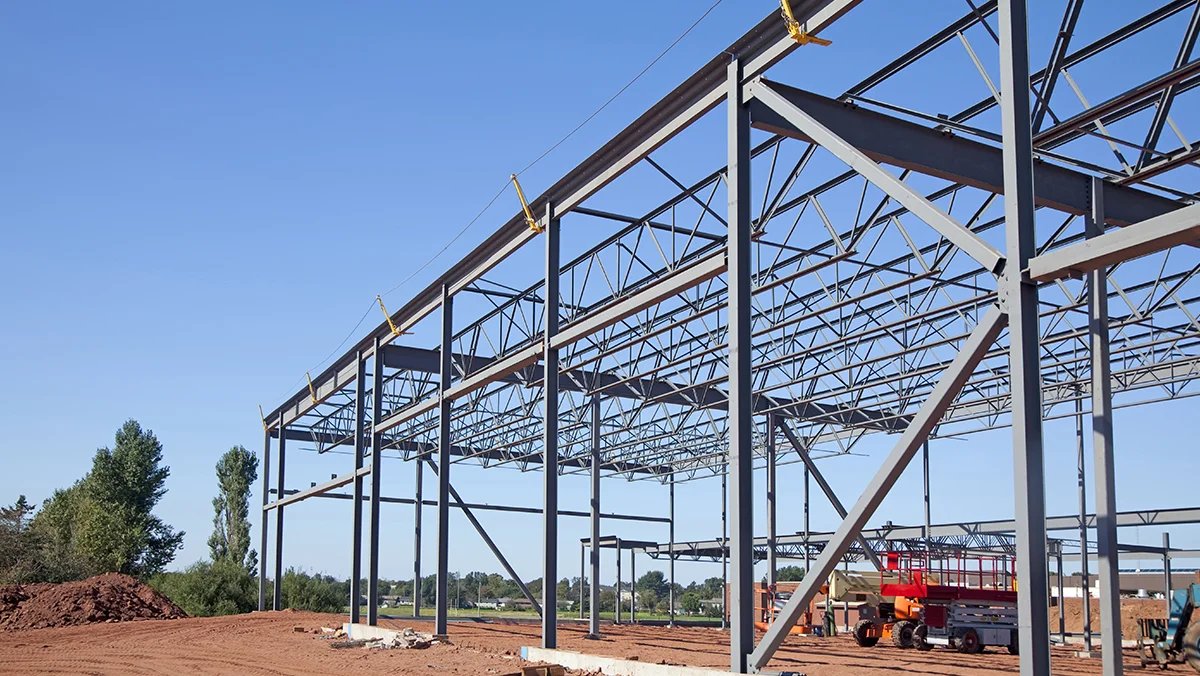
We build municipal and government facilities as a contractor who works comfortably under that kind of scrutiny. That includes fire stations, public works and fleet yards, maintenance shops, water and utility structures, recreation buildings and administrative offices. These buildings are used hard and expected to last, which suits an industrial builder. Slabs are thick, mechanical systems are simple to maintain, and the site is planned around vehicles that are heavier than anything a private office would see.
Public work also rewards documentation. Bid forms, bonds, certified payroll, submittals and pay applications are as much a part of the job as the concrete, and we treat them with the same discipline.
Which jurisdiction sets the rules for a public project
The answer depends on the parcel and the owner. Aurora's Public Works Building Division lists the 2021 International Building Code with the 2023 National Electrical Code and its own amendments. Watkins, an unincorporated place bordering Aurora, was incorporated by voters in 2004 and returned to unincorporated status in 2006 by 308 to 184, so county rules apply there. Land near the Colorado Air and Space Port, which Adams County owns, follows the county's edition while the county moves toward the 2024 codes.
Special districts add another layer. The E-470 Public Highway Authority is governed by a board of eight elected officials, one from each member local government, and it sets standards for the road and its interchanges. Any building or utility that touches its right-of-way requires its own review. We find the controlling reviewer for each element at the start and build the permit sequence around it.
Facilities we build for public owners
Fire stations are the clearest example of a building that rewards industrial thinking: apparatus bays with heavy slabs and drive-through doors, living quarters above, and a site laid out for rapid egress onto an arterial. Public works yards combine a shop, wash bays, cold storage, fuel and salt-storage structures and secured parking for trucks and plows. Maintenance shops and fleet facilities draw on our maintenance shops and service bays experience.
Utility structures are another category. Aurora Reservoir, built in 1989 for $41 million and filled in 1990, provides drinking water to the city, and the water system around it needs pump stations, treatment buildings and pipelines. We handle excavation, structural concrete and the site utilities package for facilities like these, as well as fire water loops and hydrants for public campuses.
Working as a public owner's builder
Public projects follow a defined procurement path, whether competitive bid, construction manager at risk or design-build. We respond to each in its own terms. On a bid project, we price carefully and hold the number. On a CM at risk project, we join early, test constructability and give the owner a guaranteed maximum price backed by clear assumptions.
The people who use the building should shape it, so we meet with fire crews, shop supervisors or staff early and walk them through plans and mockups. Their input on door sizes, hose racks, wash-bay drains and storage prevents expensive changes later, and it makes the finished building easier to run.
Public-sector budget realities
Public budgets are fixed by voter approval, bond issues or grants, and they do not stretch. Our estimating is built around that fact. We carry alternates, identify value options early and show what each decision costs, so a council or board can choose with real numbers.
Life-cycle cost matters as much as first cost. A slightly thicker slab, a more durable roof or a simpler mechanical system often saves money over the building's life. We help owners compare those options, including the maintenance staff time each choice implies. Site work, utility connections and off-site improvements tend to swing a public budget more than the building does, so we price them separately.
Public calendars and construction seasons
Public projects have fixed decision points: council or board approvals, bid dates, notice to proceed and grant deadlines. We map those into the schedule so that ordering gear, mobilizing and starting concrete happen right after each approval. A missed board meeting can move a start by a month, so we flag the dates that matter and keep owners informed.
Weather also sets the pace. Exterior slabs, paving and utilities are scheduled for the warm months where possible, and enclosed work moves indoors during winter. For facilities that cannot stop operating, such as a fire station or a water facility, we phase construction so service continues throughout.
Safety and compliance on public sites
Public owners expect documented safety programs, and we deliver them: site-specific plans, daily huddles, inspections and incident tracking. Work next to roads, airports or active utilities adds traffic control, excavation protection and utility locates, and we assign those responsibilities by name.
Compliance paperwork is part of the job, including bonds, insurance certificates, prevailing-rate documentation where the owner requires it, and clean closeout files with as-builts, warranties and training records.
Where we serve public clients
We work for cities, counties, districts and authorities across the Aurora east and southeast metro, including the Colorado Air and Space Port area and Watkins. Public owners there often need utilities, roads and buildings delivered together, which fits our site-first approach.
Our utilities and power work supports water, electric and communications projects, while our parking structure and school experience helps when a public project shares a campus with other uses.
Planning a public facility?
Tell us the owner, the procurement method and the site. We will return a preconstruction scope, a code and jurisdiction map and a budget range.
Questions Owners Ask
Do you bid public work or only negotiate it?
Both. We bid advertised projects and respond to qualification requests for CM at risk and design-build. Each follows the owner's procurement rules, and we meet bonding and documentation requirements as written.
How do you handle two jurisdictions on one project?
We identify the controlling reviewer for each element at the outset. A road, a utility and a building can each fall under different authorities, and we sequence submittals so none waits on another.
Can you build next to an operating airport or highway?
Yes. We coordinate with the airport owner or road authority on access, height, noise and haul routes. Plans are shared early and approved before mobilization.
What do fire stations need from the site?
Quick egress, long-radius turns, apparatus-grade slabs and good sightlines to the street. We design the apron and driveway with the fire department's vehicles in mind.
Related
Related Services
Related Building Types
Related Service Areas
Ready to talk about your project?
Request a Project Review