Aurora Reservoir holds 31,650 acre-feet behind a dam built in 1989 for $41 million, sits at 5,950 feet in the far southeast corner of the city and supplies drinking water to Aurora, with only electric boats allowed to protect water quality. Owners of assets like that, the water utility, the power provider and the public works director, are the people we build for: pump stations, treatment buildings, substations, and the roads and ducts that connect them. The Aurora Reservoir area is a good example of how much infrastructure a single asset pulls in.
Power owners face a different map. Two Vestas plants in Brighton make wind turbine blades and nacelles, valued at $290 million and providing 1,350 jobs, which shows how far the generation supply chain reaches on the north side of the metro. Cherry Creek Dam, built by the U.S. Army Corps of Engineers in 1948 to 1950, is 141 feet high and holds back a maximum 134,470 acre-feet for flood control, a reminder that infrastructure here is built to be maintained for the long haul.
We deliver the buildings, pads, ducts and yards that utility and power owners need: equipment pads and foundations for transformers and pumps, and site utility packages that tie new work into live systems.
Water, power and flood control on the east side
The east metro's infrastructure follows its growth. Aurora Highlands spans roughly 4,000 acres with a master plan of 13,000 units, five schools and a 50-acre hospital site, and it is expected to reach 60,000 residents, so pump stations, lift stations, detention basins and power feeders belong to every phase. The $87 million E-470 interchange at Aurora Highlands Parkway fully opened on June 28, 2024, and a road program of that size drags water, sewer and power along with it.
On the flood side, Cherry Creek Dam is 14,300 feet long at its crest and impounds Cherry Creek behind it, while Cherry Creek State Park covers 3,346 acres around an 880-acre reservoir. Anyone building near those facilities coordinates drainage, access and timing with the agencies that manage them. Our notes on the Cherry Creek State Park area cover how we plan that coordination.
Buildings and site work for utility owners
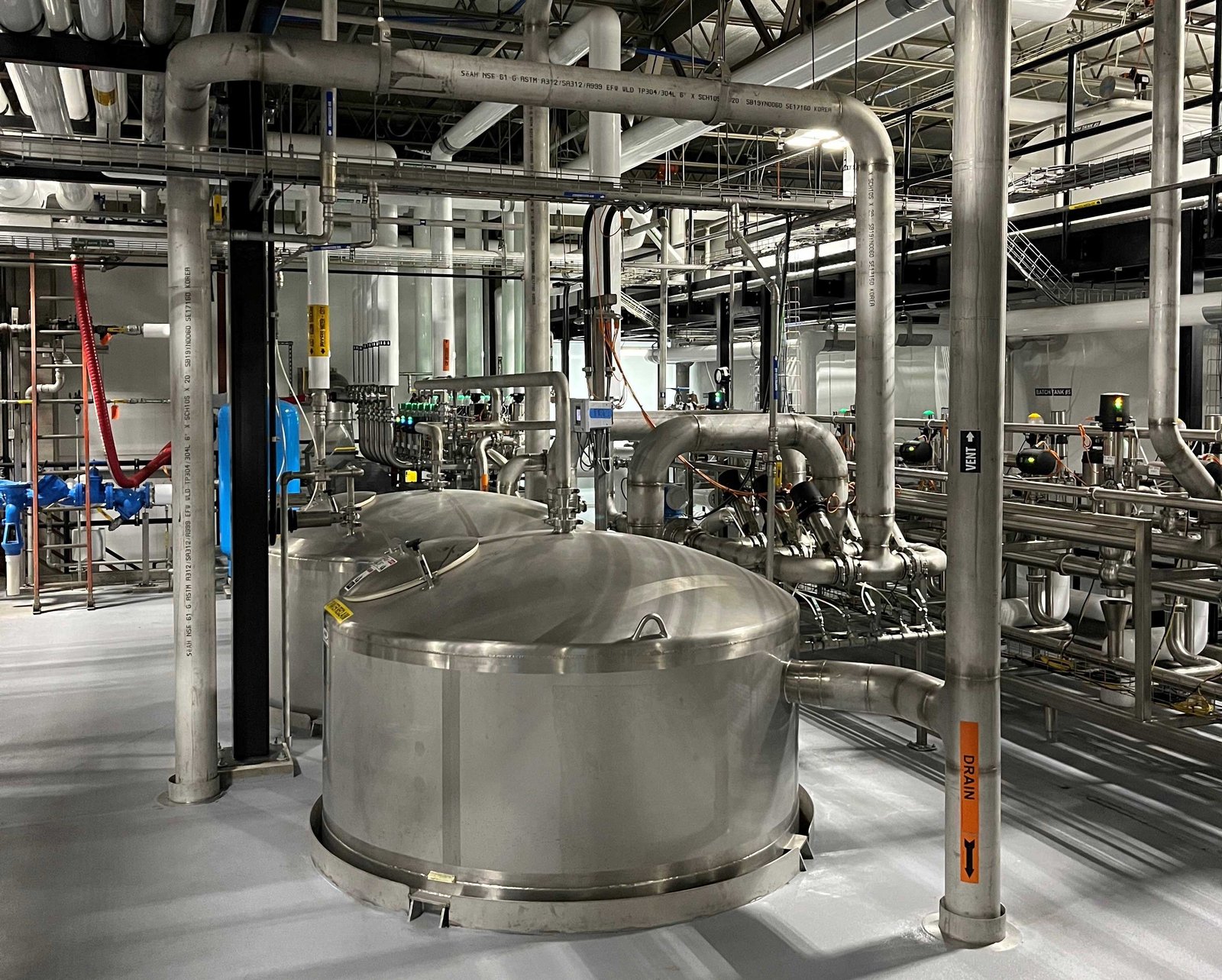
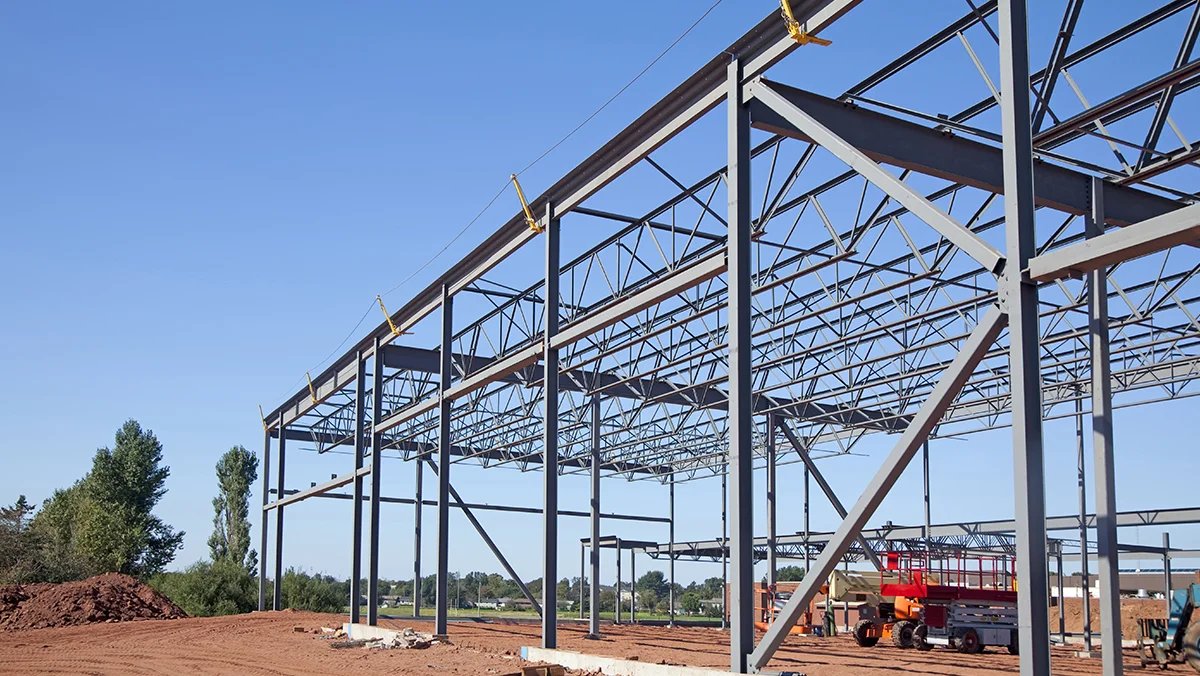
Utility projects tend to be small buildings with big consequences: a pump station house, a motor control building, a substation control house or a treatment-plant annex. We build them in block, precast or metal, with cast-in conduit sleeves, floor drains and equipment pads set to the manufacturer's templates. Access roads, security fencing and lighting belong to the same scope.
Underground work is the center of gravity. Fire water loops and hydrant systems protect plants and warehouses, and stormwater detention and drainage keeps sites compliant and dry. We build them in sequence, with pipe tests and inspections scheduled around utility outages.
Codes that apply to utility and power buildings
Commercial codes in Colorado are adopted city by city and county by county. Aurora lists the 2021 International Building Code with the 2023 National Electrical Code and its own amendments, and a January 2026 tracker shows no plans to move to the 2024 I-codes before an update expected in the 2027 cycle. Utility structures often answer to the owner's own construction standards as well, and we line up the two sets of requirements before pricing.
Energy law reaches the power sector indirectly. HB22-1362 requires any jurisdiction that updates its building code after July 1, 2023 to adopt an energy code at least as strong as the 2021 IECC plus the state electric and solar ready code, and the benchmark becomes the state model low energy and carbon code from July 1, 2026. That affects the shell around a control room as much as it affects a warehouse.
Outage windows, access and live systems
The hardest part of utility work is the live system next to it. We write a one-page plan for each outage window: what is shut off, for how long, who verifies isolation and what the back-out plan is if a tie-in fails. Crews are briefed daily and the plan stays on site. Inspection hold points are booked with the utility's inspector in advance, because a missed inspection during an outage window can push a tie-in by weeks.
Other considerations include long-lead gear, proximity to a reservoir or creek, seasonal limits on work near water and public access. Near water assets, erosion control and spill planning come first. Our underground electrical duct banks include spare conduits for future load, because opening a trench twice costs more than a few extra pipes.
Coordinating utility trade packages
We coordinate qualified trade partners for excavation, trenching, pipe laying, duct bank encasement and concrete, because those are the activities that decide whether a utility job is quiet or noisy. Shoring, bedding, compaction testing and backfill are coordinated with the utility trade partner through agreed inspection holds and a shared sequence.
Structural steel, precast and electrical gear are set under our direction, and our proposals identify the trade packages, responsibilities and coordination requirements. Owners with very large power loads, such as data centers and metals and heavy industry operators, share many of these requirements. We also keep a procurement log for transformers, switchgear, pumps and motors, since many utility buildings are built around one or two large pieces of equipment whose delivery date is the real milestone.
Walk the site with us
Send the asset list, the outage windows and the target energization date. We will return a sequenced scope with the underground work called out first.
Questions Owners Ask
How do you build next to a live pump station or substation?
With written outage windows, isolation checks and a back-out plan for every tie-in. We separate construction access from the utility's maintenance routes, brief crews daily and hold work until the owner's operator confirms isolation.
What happens when a project sits near a reservoir or creek?
Erosion control, spill planning and drainage take priority. We coordinate access and timing with the managing agency and keep fuel, concrete washout and stockpiles away from the water. Seasonal restrictions get built into the schedule at the start.
Do utility buildings follow the same building code as other projects?
They follow the local building code, such as Aurora's 2021 IBC and 2023 NEC, and often the owner's own standards on top. When the two disagree we resolve it with the owner and the building official before pricing.
How should we plan for future capacity?
Install spare conduits and oversized pads while the trench is open. The extra cost is small compared with reopening a finished site. We also leave pad space and clear routes for the next transformer or pump.
Can you handle the whole job from excavation to energization support?
We build the civil, structural and underground scope and coordinate with the utility and testing contractors on tie-ins and energization. The owner or utility keeps control of switching and commissioning decisions.
Related
Related Services
Related Industries
Related Service Areas
Ready to talk about your project?
Request a Project Review