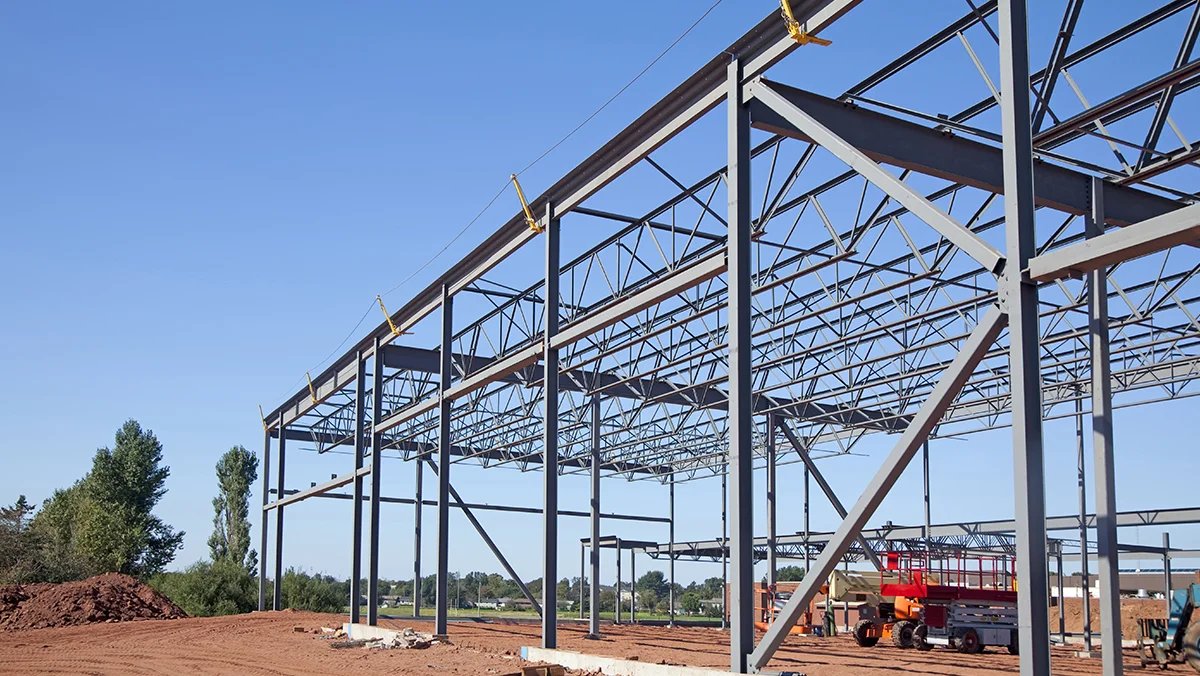
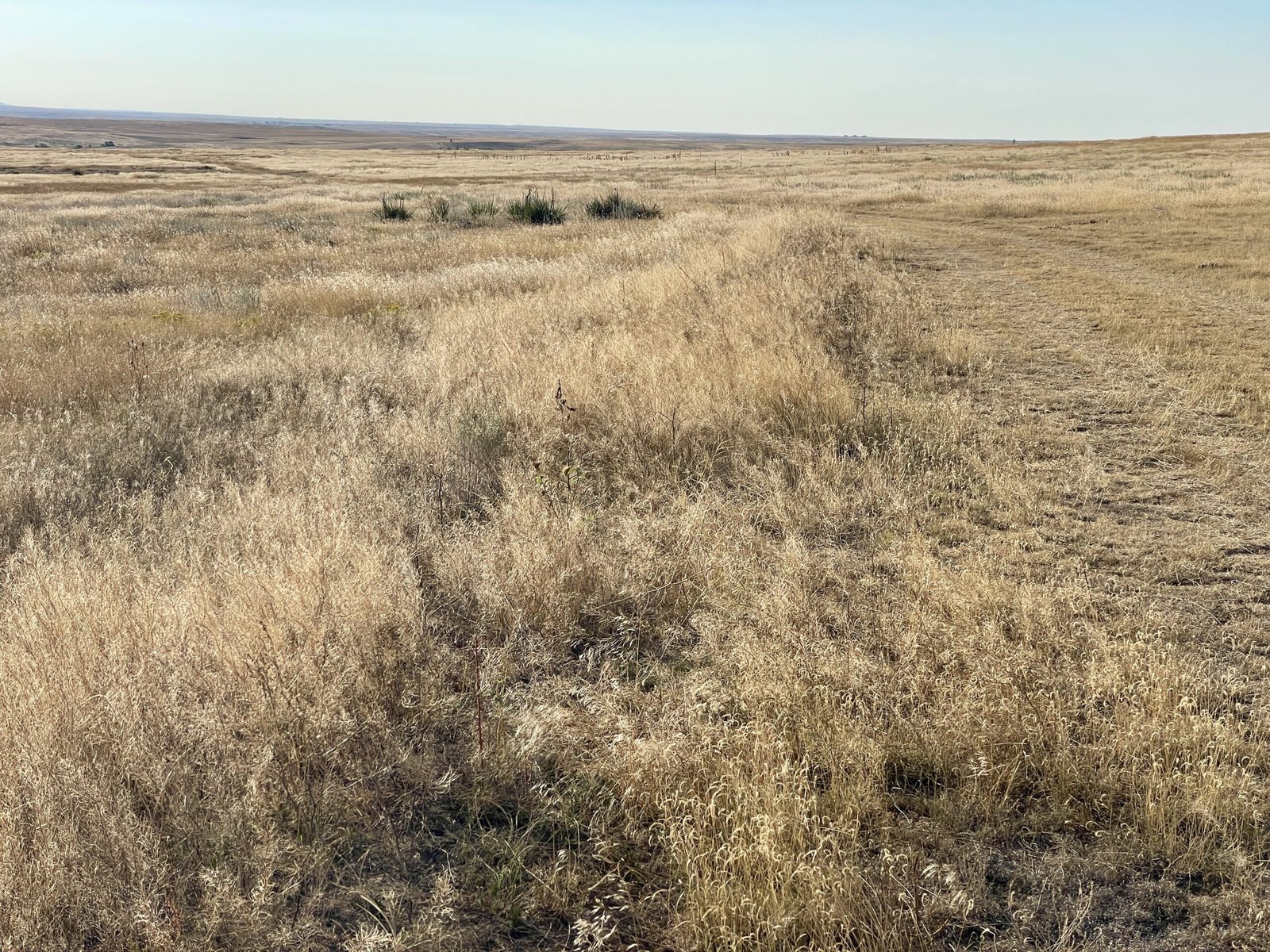
Mobilization is the first line item on any industrial job at Deer Trail, and the way we plan and price it is what makes building this far out workable. The town is situated along Interstate 70 about 55 miles east of Denver, which means every truck of rebar, every concrete delivery and every inspector's visit has to be counted in miles and hours. We build shops, storage yards, equipment buildings and light industrial space for owners who want inexpensive land and a straight line to the interstate.
The town has been growing from a small base: its population rose 95.6 percent from 546 in 2010 to 1,068 at the 2020 census. New households and businesses mean more demand for local services, supply yards and fleet space, and we find that owners here often want a building that can start modest and expand when the business grows. We design with that expansion in mind, leaving room for a second bay, a larger yard or an added office.
Deer Trail also has a long record of transportation: the railway built a station at Deer Trail in 1870 and platted the town in 1875. Rail history means old rights-of-way and utility corridors, and it is part of our due diligence on any parcel near the original townsite.
Because the community is small and unincorporated parcels are common around it, owners should also compare it with the closer-in communities on the same highway. Bennett offers rail and an interchange near the airport, while Deer Trail offers the cheapest land and the most room. We help owners weigh those trade-offs against the number of truck trips a day and the size of the yard they need.
Reaching a site 55 miles out
We price the trip, the crew and the equipment honestly. Heavy equipment moves on lowboys, crews carpool or stay close to the site in longer jobs, and we schedule work in multi-day blocks to avoid empty round trips. Inspections are requested in clusters so that the building official is not asked to drive out for a single footing.
Materials come from several directions. Ready-mix is ordered from the plant that can meet the time window for the specified mix, and aggregate, steel and framing packages are staged on site. If a parcel is also on the way to Byers or Strasburg, we can combine trips with work there.
Sequencing a remote job around weather and trucking
The key to a remote schedule is front-loading. We confirm permits, order the building package and arrange temporary power and water before crews arrive, so that once they mobilize they work continuously. Foundations and slabs are set to be placed in favorable weather, with steel following when the slab has cured.
A concrete truck cannot wait. We confirm batch plant capacity, driver availability and haul time before each placement, then place in the morning when possible. On a long haul, retarders or other admixtures may be needed, and we plan for them with the supplier so the mix stays workable on arrival.
Drainage and the lesson of a flood
A June 1965 flood damaged or destroyed businesses on Deer Trail's main street, and many of those buildings were never rebuilt. That history is a useful reminder that flash flooding on the plains is real, and that a building site needs a drainage plan before it needs a floor plan. The town sits at 5,191 feet, and low ground near creeks and drainages deserves the closest look.
We study the parcel's relation to drainage paths and floodplain maps, set finished floor elevations with margin and use stormwater detention and drainage design to keep runoff controlled. Culverts, swales and grading are placed to shed water around the building rather than toward it.
Site preparation follows the drainage plan. The trade partners for site clearing and mass grading set the pad high enough to keep the slab dry, build a compacted base that will not rut under loaded trucks and seed or armor slopes against erosion. A gravel or paved apron at the door keeps mud out of the building and keeps the shop usable after a storm.
Safety when help is far away
Emergency response times are longer in remote areas, and our site safety plan takes that into account. We locate the nearest medical facility, brief the crew on it, keep first aid supplies and trained staff on site and carry communications that work where cell coverage is thin. Heat and cold exposure plans are part of every orientation.
Long drives are a risk, too. We limit work hours so crews are not driving fatigued after a long shift, and we encourage staying near the site on multi-day pours. Equipment is secured at night, and fencing and lighting protect materials where theft is a concern.
Fuel and chemical handling on a remote job gets extra care because a spill is harder to contain when the nearest response team is far away. We keep spill kits and secondary containment at every storage point, brief the crew on reporting and keep a copy of the site plan with the drainage paths marked so a responder knows where a release would travel.
Where costs differ at the end of the corridor
Land is usually cheaper, and that can offset higher mobilization. The line items to watch are travel, per diem, delivery surcharges and utility extensions. On a remote parcel, electrical service may need new poles or transformers, and water and wastewater may be on site. We obtain written quotes so these numbers are not estimates.
Owners can keep costs down by choosing a pre-engineered metal building, a simple footprint and a phased yard. A trucking or equipment user in heavy industry may need a thicker slab or an overhead crane, and we price it as an add-on, not a hidden default.
Get the mobilization number first
Share the parcel and what you plan to run from it. We will return an estimate that shows the building, the site and the cost of getting there.
Questions Owners Ask
Is it worth building 55 miles out?
For many users, yes. Land is cheaper, interstate access is direct and there is room for a yard. The extra cost of mobilization and travel is real, but it can be offset by lower land cost and operating savings.
What should I check on a parcel near the old townsite?
Check flood exposure, old easements, rail rights-of-way and any buried utilities. The town's history includes a destructive 1965 flood and an early railway station, and each leaves marks on records and on the ground.
How long does a project take compared with the metro?
The construction time is similar, but permits, utility service and material deliveries can take longer. We build a schedule with those factors and start long-lead items first.
Can the building be expanded later?
Yes. We design with room for added bays, a second building or more yard, and we size utilities for the future phase.
Related
Related Services
Related Building Types
Related Service Areas
Ready to talk about your project?
Request a Project Review