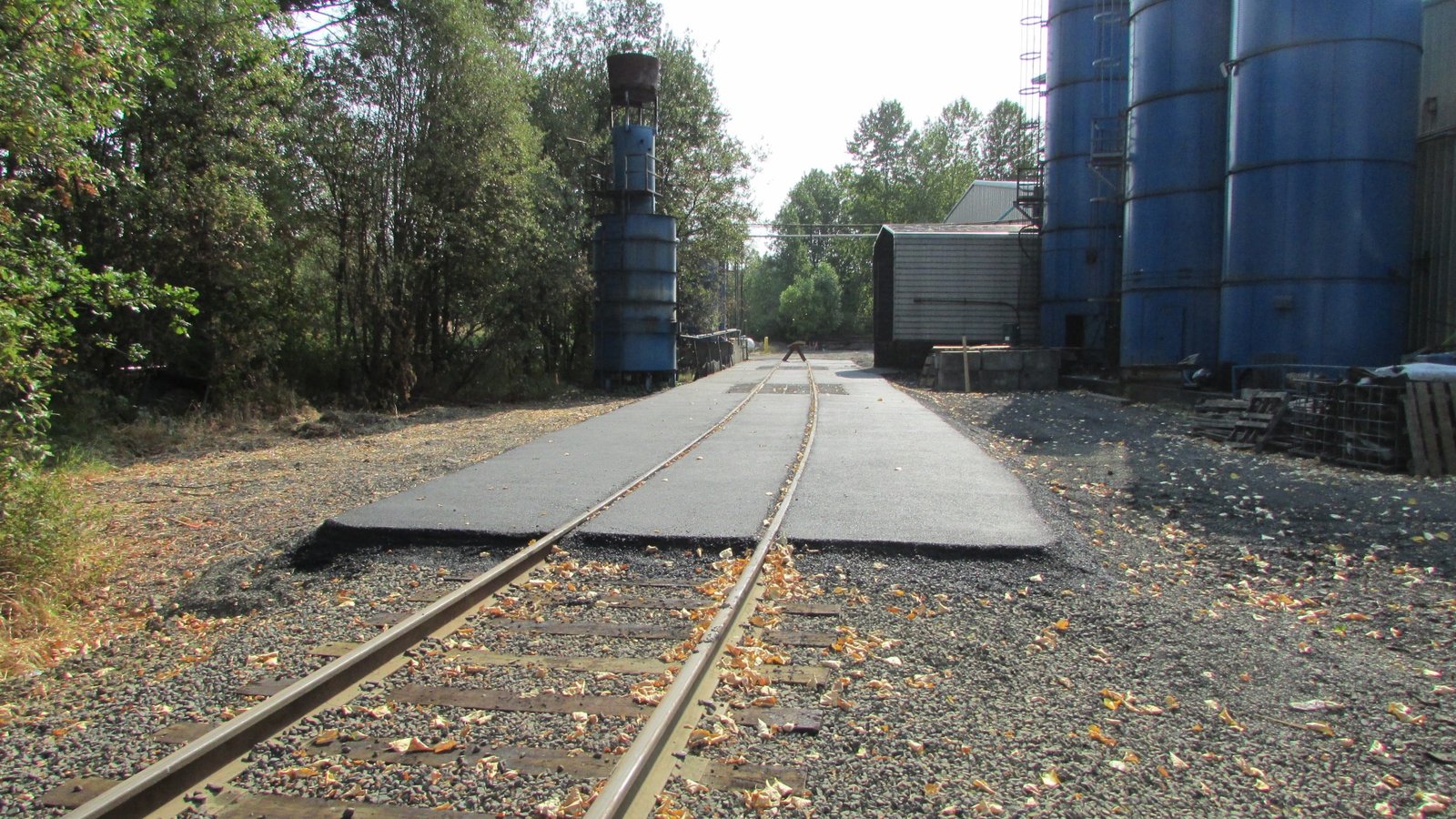
Six thousand five hundred acres of master-planned industrial ground along the Union Pacific Railroad, mostly north of I-70 between Imboden and Manila Roads, tells you where the next wave of east-side plants and warehouses wants a track. Port Colorado is one project, and Rocky Mountain Rail Park near Manila Road is another. If your parcel is on a rail line, the spur is not an accessory. It is a second front door, and it has to be built to the railroad's standard, not just yours.
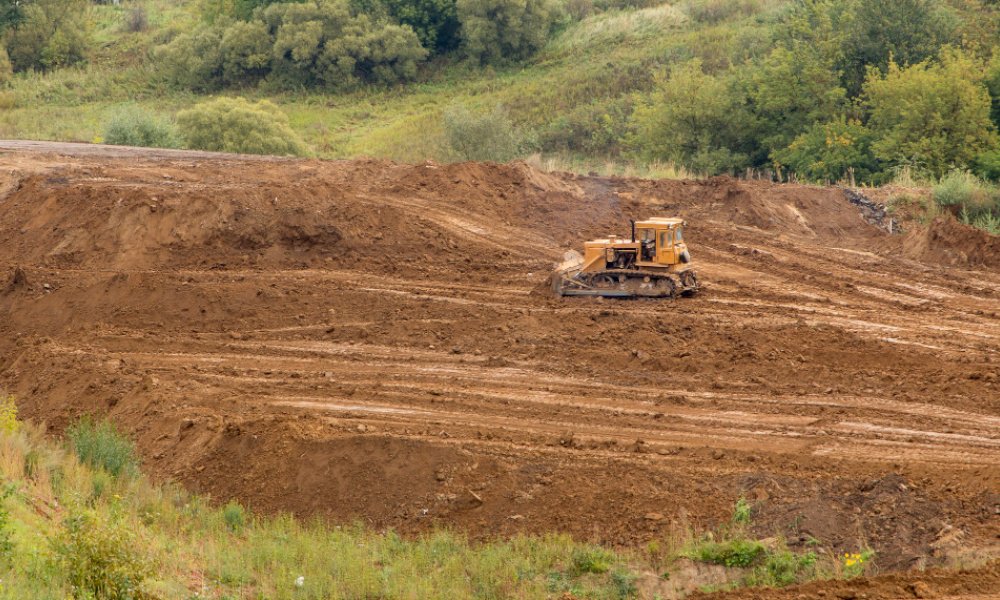
We build the civil work around the track: the graded corridor, the drainage, the subballast and the surfaces where cars are unloaded and trucks load out. The railroad or its approved track contractor sets and certifies the rails and the turnout. We prepare the ground they set it on, the crossings that connect it to your truck routes, and the pads that serve it.
We approach a spur the same way we approach a dock count: by working back from throughput. How many cars a week, how many loads per car, how many trucks idle while a car is spotted, and where the transfer happens. The answers set the length of the track, the size of the unloading area and the width of the lane beside it.
Where east-side rail is going
Rocky Mountain Rail Park is a 620-acre rail-served industrial park near Manila Road and I-70 adjacent to the Colorado Air and Space Port, with final development plan approval granted by the Adams County commissioners in September 2020. Port Colorado is a 6,500-acre master-planned project publicized in a Denver Business Journal story of October 7, 2022. Together they point to a stretch of Adams County where industrial users can choose a parcel with track access instead of retrofitting one later.
Rail also shaped the small towns along the corridor. Bennett grew as a railroad hub, and Union Pacific replaced wooden trestles near town with steel structures in 1937. The line that built those towns still runs along the edge of I-70, and the parcels beside it are the ones where owners ask us about spurs, transload pads and bulk unloading. We know the corridor from the ground up, including the soil, the drainage and the heavy-haul access roads that carry the oversize loads in.
What the spur package includes
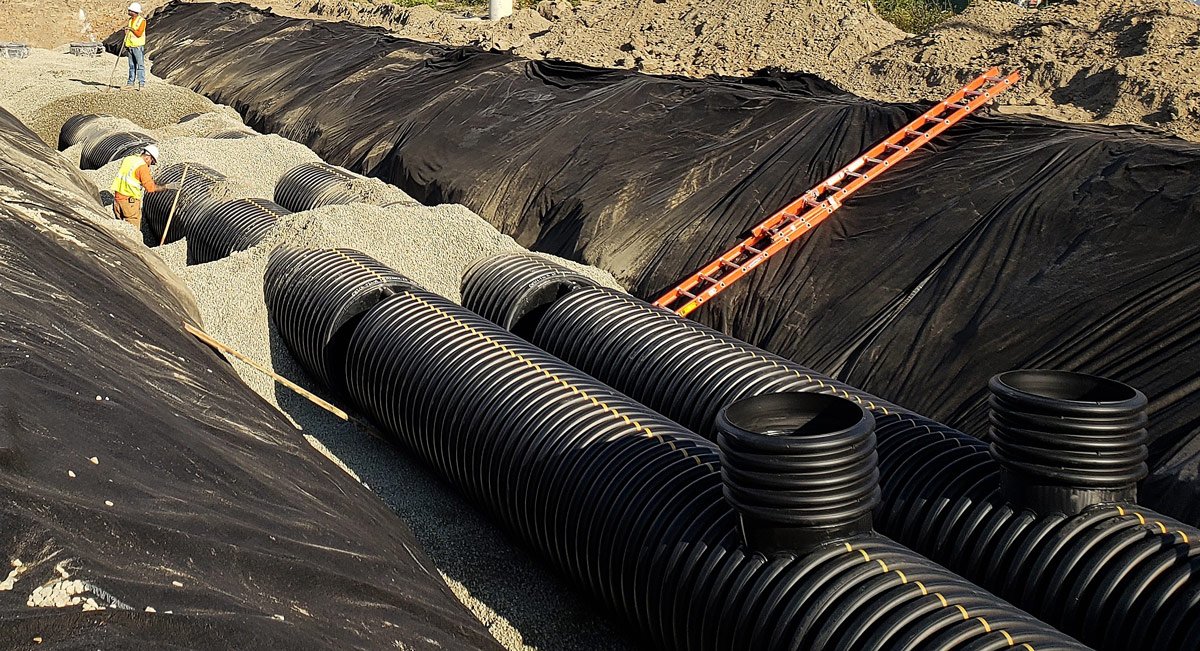
We clear and grade the corridor to the railroad's profile and cross-slope, build a drainage system that keeps water out of the track bed, and place a compacted subgrade with a prepared subballast layer where the track contractor needs it. On the cars' working side we pour unloading pads, containment curbs and trench drains, and we build the road crossings that let your trucks cross the track at grade with the proper surfaces and signage.
Beyond the track, the package covers the things that make a spur usable: lighting for night switching, fencing that keeps the right-of-way clear, hardstand for storage of loaded cars (often an extension of a stabilized laydown yard), and a staging lane for trucks that load directly from railcars. We often coordinate this with truck courts and trailer yards so the transload lane and the dock lane share a turning area.
Working beside live track
Work near a railroad is governed by the railroad. We attend the safety orientation, carry the flagging required by the serving carrier, and hold the clearances that the carrier sets for equipment and excavation. Digging beside a live line requires a plan for shoring, vibration and utility locates, and we write it before mobilizing.
Inside the plant, the safety questions are about chocks, derails, blue flags and vehicle separation. We lay out walking routes that do not cross the track at working points and mark crossings with signage and surfacing that drivers recognize. If the spur serves bulk materials, we add spill containment and drainage to a defined sump so a release never reaches the storm system.
Agreements and approvals
A spur starts with an industry track agreement with the serving railroad, and that agreement sets the design standards, the clearance envelope and who pays for what. Our role is to build to those standards, and to line up the grading permit and the stormwater plan with the jurisdiction. Rail work in Adams County sits inside the county's process, and a parcel that straddles two jurisdictions can mean two sets of reviews.
Colorado commercial codes are adopted locally, and Adams County is listed on the 2018 I-codes in the metro tracker while adopting the 2024 codes. The building that the spur serves is reviewed under whichever edition the jurisdiction has in force on the date of application, so we align the track work and the building permit timeline instead of treating them as separate projects.
Buildings that gain the most from a spur
A spur pays off most when the building moves bulk volume: a warehouse that receives palletized goods by rail, a plant that takes in raw material by the car, or a distribution center that transloads into trucks for the last leg.
Heavy industry that moves aggregates, metals or chemicals gains even more, and our work for metals and heavy industry starts with the track layout. Owners who are not ready to commit to a spur today can still preserve the option. We grade, size the drainage and set the property line so that a spur can be added later without tearing out pavement. That preparation costs little now and can be worth a lot to a future tenant or buyer. The east side has plenty of open ground, which makes it the place to plan ahead.
Test a spur before you buy the parcel
Send us the parcel, the serving railroad and the cargo. We will draw a feasible track layout and the civil package that goes with it.
Questions Owners Ask
Who builds the track itself?
The railroad or a contractor it approves lays the rails, ties and turnout. We prepare the corridor, drainage, subgrade and crossings, and we coordinate the handoff so the track contractor can start on a ready surface. That keeps the schedule tight and puts the track work in qualified hands.
How long does it take to get a spur approved?
The industry track agreement and the railroad engineering review usually set the pace, and they run in parallel with local permits. Starting the application as soon as you have a site plan is the best way to shorten the path. We help assemble the drawings, the cargo description and the car count the railroad will ask for.
How long should a spur be?
Length depends on the number of cars you want to hold and the movement pattern, such as spotting, loading and pulling. We work from your weekly car count and add room for a runaround or a storage track if the volume justifies it. A short spur that is too small often costs more than a longer one built right.
Can we keep a spur option open on a parcel we develop now?
Yes. We can grade a reserved corridor, size drainage for it and keep buildings and utilities out of the clearance envelope. The cost is small at the time of development and large if you try to add it later.
What are the biggest cost drivers for a spur?
Track length, subgrade quality, the number of crossings and the railroad review requirements. Heavy soil work and long approach tracks cost the most. We put each element in the estimate so you can decide which to build now and which to reserve.
Related
Related Services
Related Building Types
Related Service Areas
Ready to talk about your project?
Request a Project Review