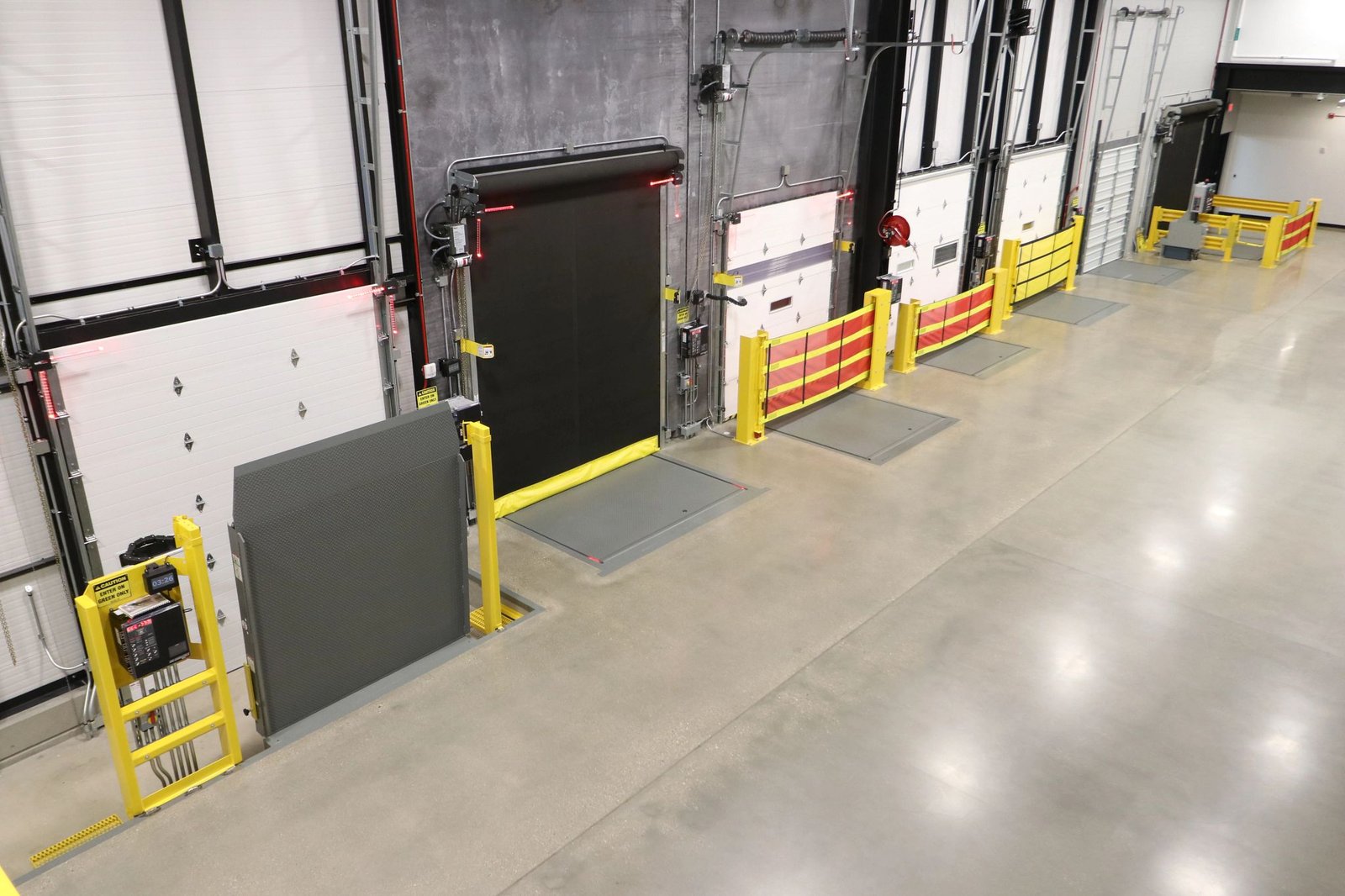
Frost on a dock door seal is the first sign that an ambient building is being asked to do a cold chain job. Warm yard air meets a cold trailer, moisture condenses on the leveler, ice builds in the pit, and the product temperature log drifts out of range for the ten minutes the door stands open. A refrigerated dock retrofit fixes the building around the door so the cold chain holds at the one place where it is most likely to break.
We convert existing dock positions in warehouses and food plants to temperature-controlled receiving and shipping. That can mean a single enclosed refrigerated dock bay with four doors, or a full-width conversion with a chilled vestibule, new insulated envelope, and dedicated evaporators. The east metro has plenty of ambient buildings with good door counts, and a retrofit usually costs less than new cold construction when the slab, structure and site can support it.
Is the existing building a candidate?
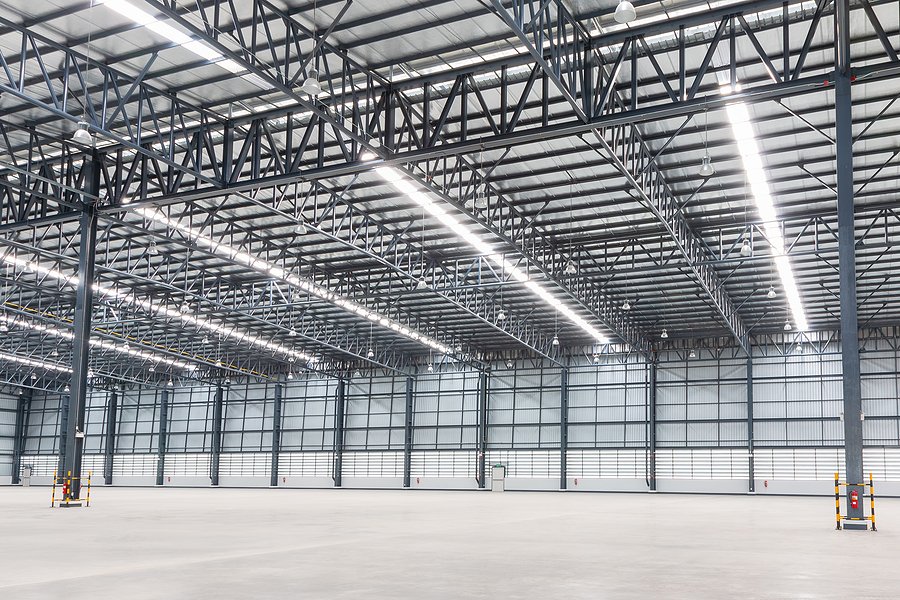
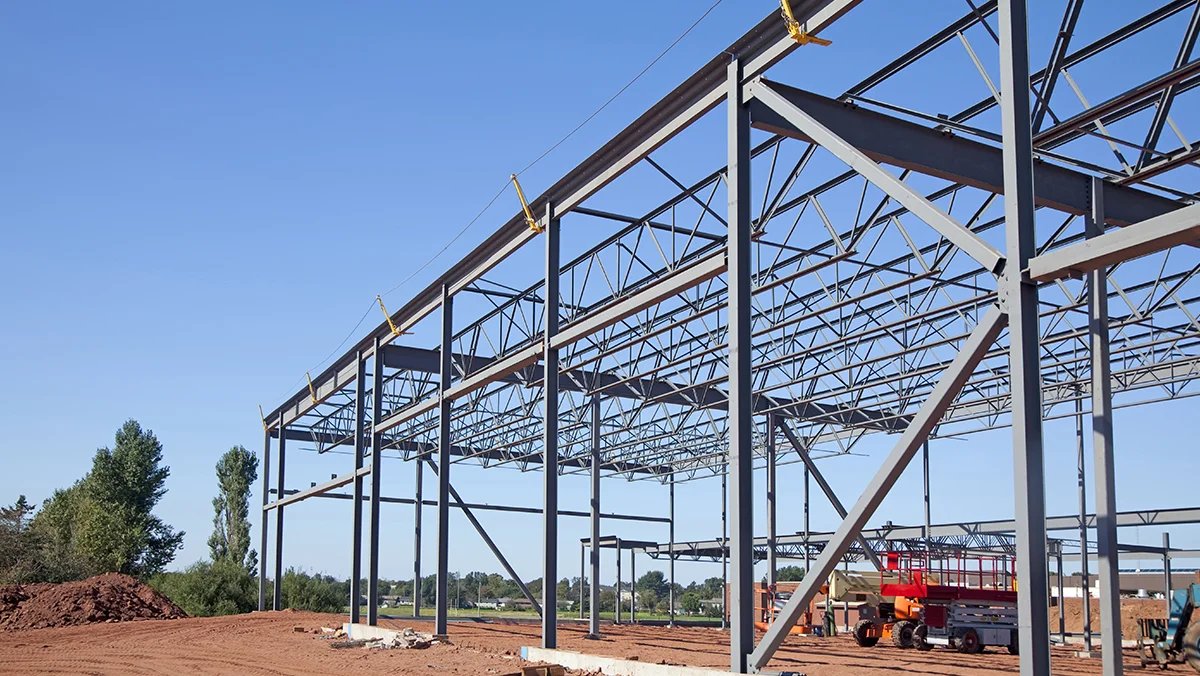
We screen buildings on five points: clear height, slab condition, column spacing at the dock, roof capacity for condensing units, and electrical capacity. A dock with 36 feet of clear height has room for ductwork, evaporators and a ceiling plenum. A dock with a low steel deck may only suit a compact enclosure. Slab thickness and reinforcement tell us whether the floor can handle freezer temperatures or only cooler ones.
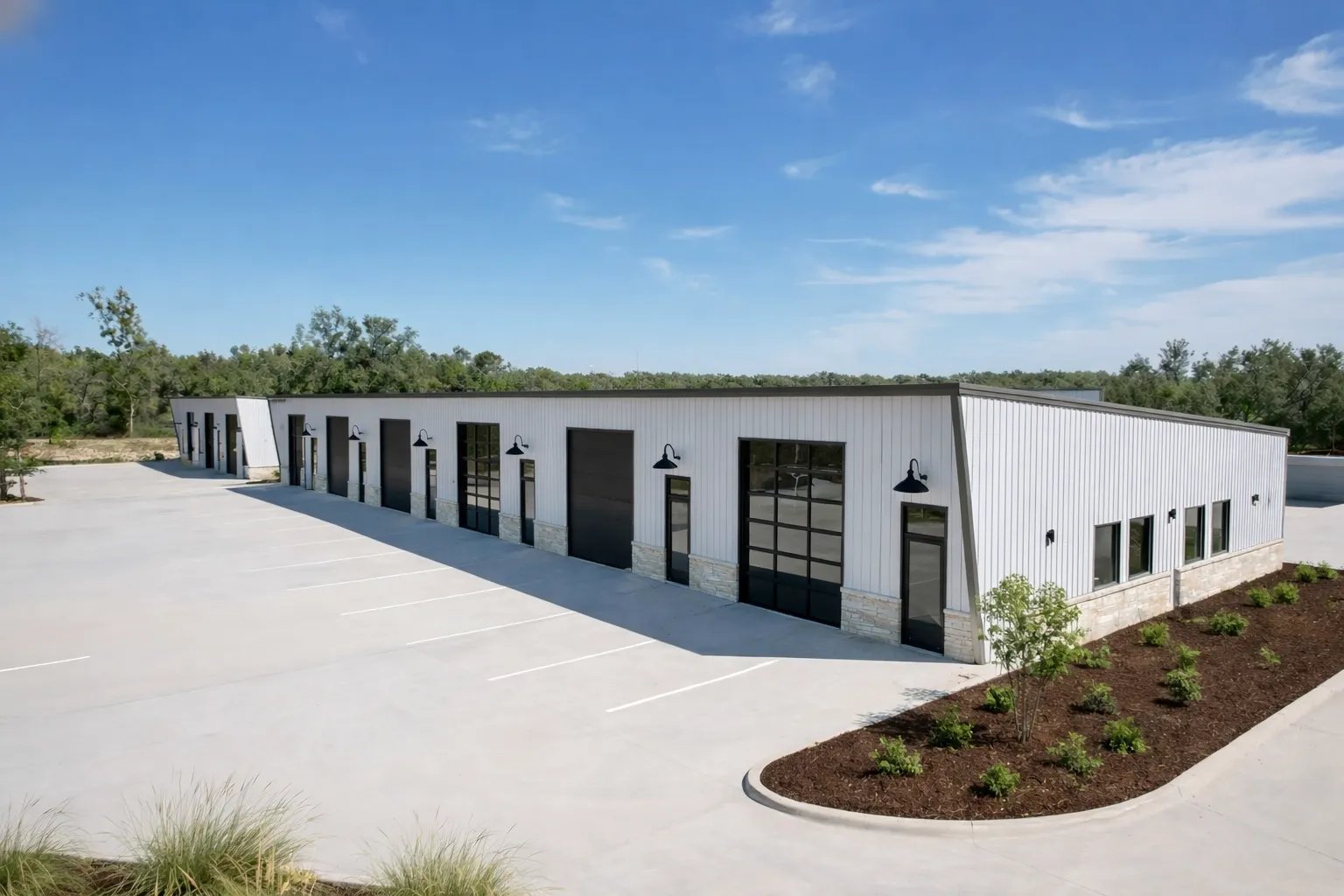
Next we look at the truck court. Reefer trailers idle with their refrigeration units running, so the court needs room to maneuver and a drainage plan for condensate, which is the territory of our dock apron and loading zone work. E-470 reaches the airport at exit 28 and the I-70 crossing at exit 20 in Aurora, and cold-chain trucking uses both. A building with easy beltway access is more valuable as a cold dock because the drive time between the door and the highway is short, and the truck turn is more predictable.
What a conversion includes
The core of the scope is an insulated envelope around the dock area: wall panels or sandwich panels, a ceiling, insulated overhead doors with heated frames, dock shelters or inflatable seals suited to cold service, and thermally broken levelers. We add an air lock or vestibule where the cold dock opens to an ambient zone, so warm air does not pour across the floor each time a door opens.
Refrigeration ties in next. We coordinate with your refrigeration contractor for evaporators, defrost, controls and condensing capacity, and we handle the roof curbs, structural reinforcement, power and drains. Interior details, such as LED lighting rated for cold, stainless corner guards and slip-resistant floor coatings, close out the room. Where the building sits near the E-470 corridor, we also review truck circulation around the enclosed bays.
Cold rooms have their own hazards
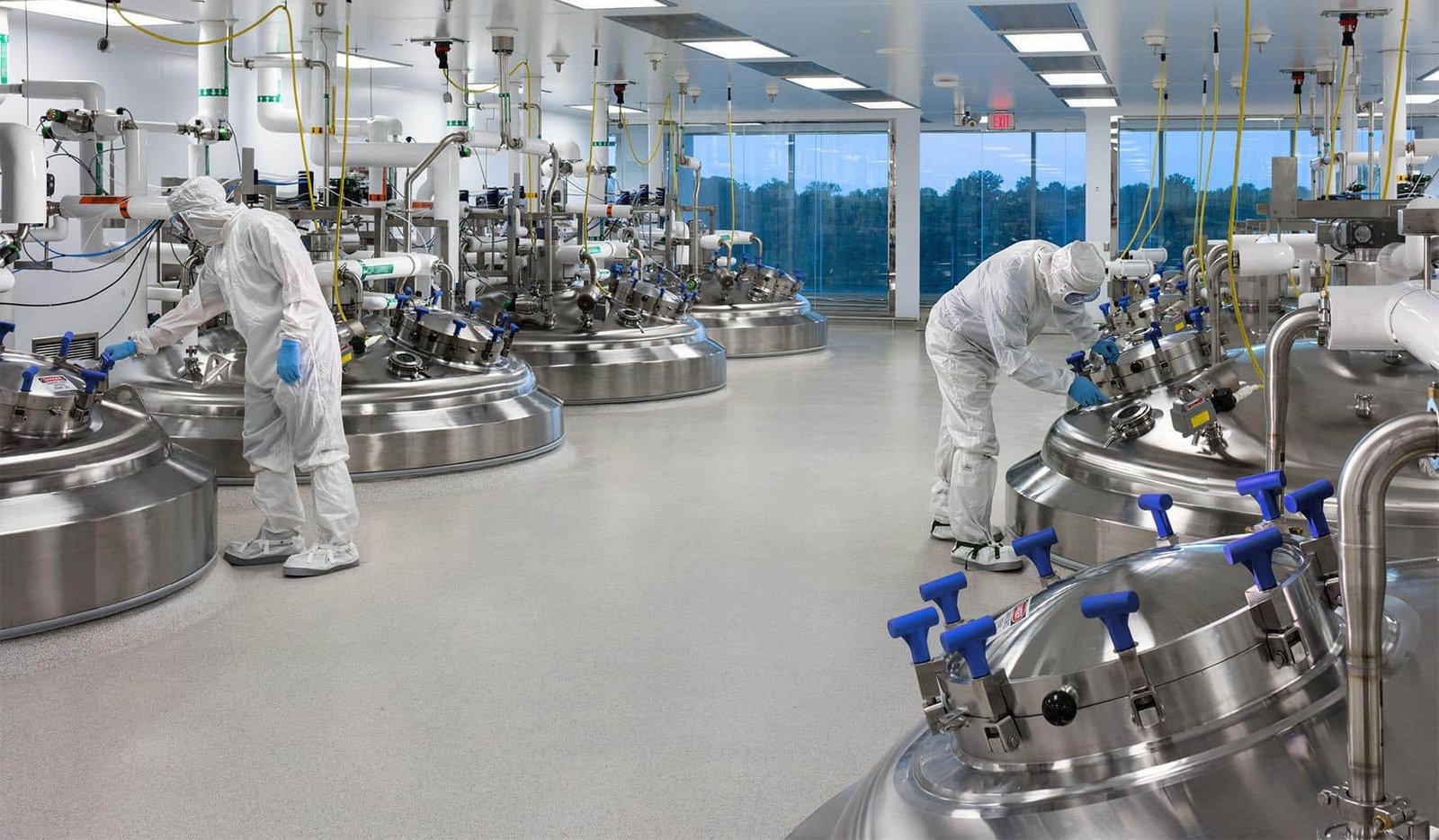
Ammonia, CO2 and synthetic refrigerants each bring a code path, a ventilation requirement and an emergency plan. Even when we do not install the refrigeration plant, we build the machinery room, the detection and the ventilation that go with it. Egress from a freezer needs interior release hardware, alarms and lighting that function when power drops.
Worker safety adds more. Slick floors, ice on dock plates, cold stress on installers, and lift traffic in confined vestibules all show up in our job hazard analysis. We schedule work in warm hours, provide heated breaks and lock out power to the dock before touching doors. Those details look minor on paper, but they separate a clean retrofit from a bruised one.
Energy code and permit realities
Colorado House Bill 22-1362 requires any county or municipality updating a building code on or after July 1, 2023 to adopt an energy code with equivalent or better performance than the 2021 IECC, and from July 1, 2026 the benchmark becomes the state model low energy and carbon code. A cold dock is a thermal envelope project, so insulation values, air leakage and refrigeration efficiency are all in play. We run the compliance path with your engineer instead of leaving it to the permit desk.
In Aurora, the Public Works Building Division lists the 2021 International Building Code and other 2021 I-codes with the 2023 National Electrical Code as its adopted codes. Fire protection is a particular issue: sprinklers in freezers are dry or pre-action systems, and heating them is a design question. We bring the fire protection contractor in at schematic design to avoid a late redesign.
Buildings and operations that retrofit well
A food and beverage processing building often needs a cold shipping dock added to a plant that makes product at ambient temperature. A third-party logistics warehouse may need a small cooler section for customers who ship perishables, often as part of tenant improvements for a new lease. Both are good candidates, because the dock and drive aisle already exist and the cold area can be carved from an existing bay.
When the program grows into several thousand pallet positions of cooler or freezer space, we compare the retrofit against full cold storage construction, with a plain look at cost per pallet position. If the retrofit wins, we proceed. If it does not, we say so and show the numbers. Operators in cold storage and refrigerated distribution often learn this through a short feasibility study before they sign a lease.
Keeping product moving while we convert
Dock retrofits are performed in sequence, one bay or one group of doors at a time. We keep the neighboring doors in service by building temporary partitions that hold both dust and temperature. Door work is scheduled for night or weekend shifts, and each bay is released to operations once the new door, seal and leveler are certified.
Long-lead items include insulated panels, cold-rated doors and refrigeration equipment. We place those orders as soon as design reaches 60 percent, because they take longer than any field task. A good retrofit schedule has construction in compact windows around the long-lead arrival dates, with commissioning and temperature mapping at the end. If you need a broader modernization alongside, see our industrial renovations and modernization work.
Tell us the doors, the temperature and the product
Share your dock count, your target temperature and the building plan. We will screen the building, tell you whether a retrofit or new construction makes sense, and give you a staged schedule.
Questions Owners Ask
Can an existing slab handle a freezer dock?
Sometimes. Freezer temperatures can freeze the soil under a slab and heave it, so freezer floors need underslab heating, insulation and a vapor barrier. A cooler dock held above freezing is simpler and often needs only added insulation. We test slab thickness and review soil reports before recommending a temperature.
How many dock doors should be converted?
Convert the number your cold volume needs, with some headroom, not every door. Each cold door costs more than an ambient door because of its insulated envelope and refrigeration load. We use your shipment counts, dwell times and trailer mix to size the count, and we leave ambient doors in place for dry goods.
What temperature can a refrigerated dock hold?
A typical cooler dock holds 35 to 55 degrees Fahrenheit, while a freezer dock holds sub-zero temperatures. The target comes from your product requirements and your food safety plan. We design the envelope to the colder of the two when a dock will serve both.
Does a retrofit trigger an energy code upgrade for the whole building?
It depends on the jurisdiction and the scope. Work on the thermal envelope of the dock usually requires compliance for the altered area. We confirm the trigger with the building department before pricing so you do not discover a larger scope halfway through the project.
Related
Related Services
Related Building Types
Ready to talk about your project?
Request a Project Review