Stormwater and spill control decide what can be built beside a drinking-water reservoir, so we design them first. We build low-intensity industrial, storage and yard facilities in the far southeastern part of Aurora with drainage, containment and erosion control drawn into the first sketch, because every owner here will be asked how a bad day on the site stays out of the water.
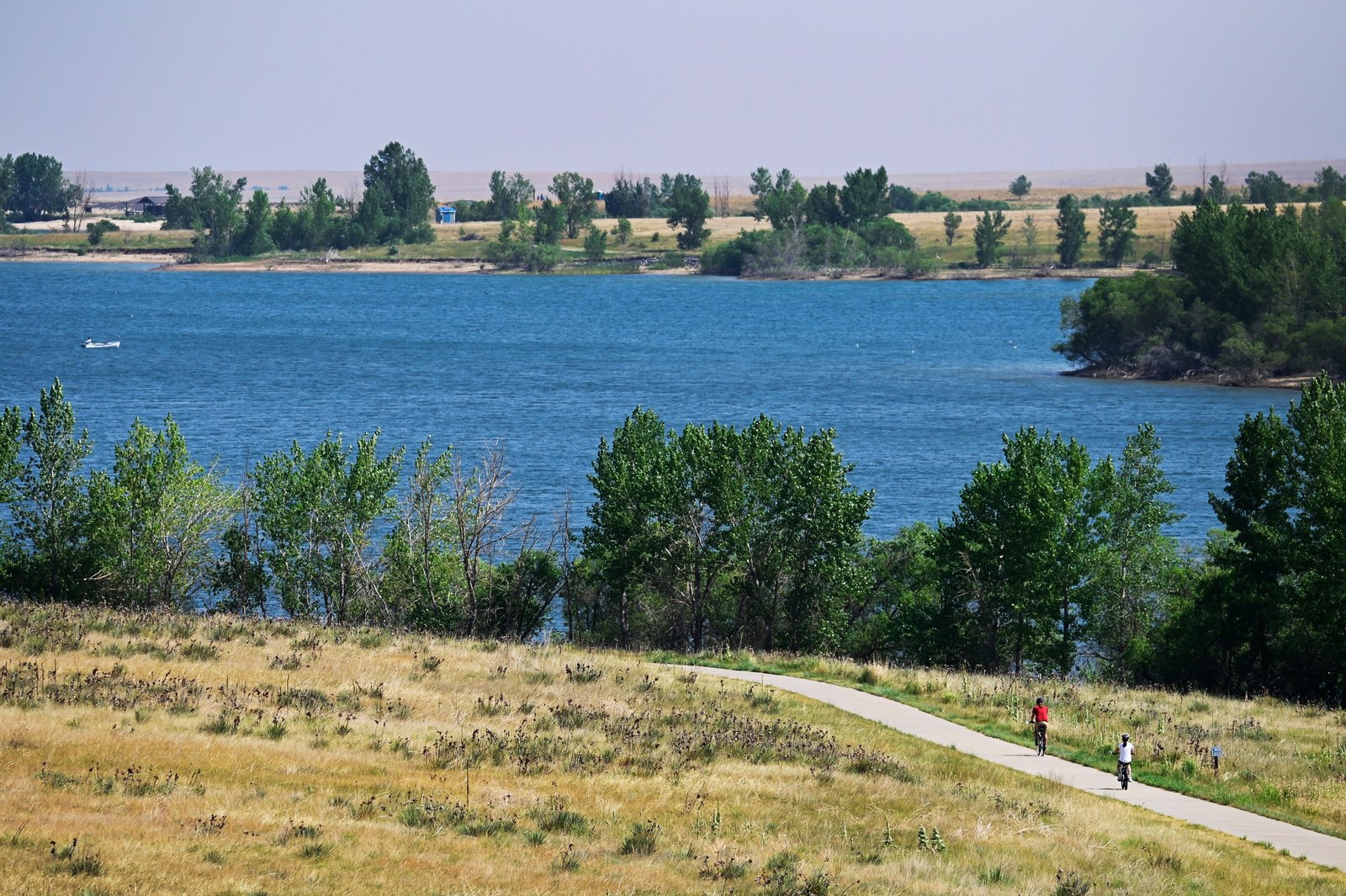
Aurora Reservoir has a surface area of 800 acres and a capacity of 31,650 acre-feet, and it sits in the far southeastern part of Aurora. It was built in 1989 at a cost of $41 million and filled in 1990. The reservoir provides drinking water to the City of Aurora, and only electric boats are permitted to protect water quality. That one rule tells you how seriously the owner treats anything that could reach the water.
The reservoir surface elevation is 5,950 feet, and sites that drain toward it deserve the same care as the lake itself.
Drainage first, building second
On a site that drains toward a water supply, we start with the water. We map flow paths, find the low points and size detention and water-quality features before we place the building. Permanent features such as detention ponds, sediment forebays, grass swales and outlet structures are drawn with the civil engineer, and we confirm release rates with the reviewing authority before the layout is final.
Our stormwater detention and drainage package covers excavation, outlet structures, riprap and stabilization, and it is built early so that the pond functions as a sediment trap during construction. That protects the downstream channel while the rest of the site is under way.
Fuel, chemicals and spill containment
Yards and shops produce the risks that reviewers worry about: fueling, vehicle washing, oil changes, chemical storage and equipment leaks. We design curbed containment, covered fuel areas, oil and sediment separators and dedicated wash bays so that spills are captured on the site. Each feature has an operating note so your staff knows how to maintain it.
During construction, we run our own site the same way. Fuel is stored in double-walled containers inside berms, equipment is parked on drip pans and a spill kit sits at every work area. A short written spill plan names who calls whom, and we run a drill before earthwork starts.
Yards, laydown and fire protection
Typical projects near the reservoir are equipment yards, contractor shops, storage compounds and small distribution buildings. Stabilized laydown yards are built on a compacted aggregate base with controlled drainage and a stabilized construction entrance that keeps mud off the roads. They work as permanent storage as well as construction staging.
Where a building needs fire protection, fire water loop and hydrant systems are laid out with the site utilities, with valves and hydrants spaced to the fire marshal's requirements. We coordinate with the water provider early, because a connection near a water transmission line should be reviewed early.
Storage-oriented buildings and quiet neighbors
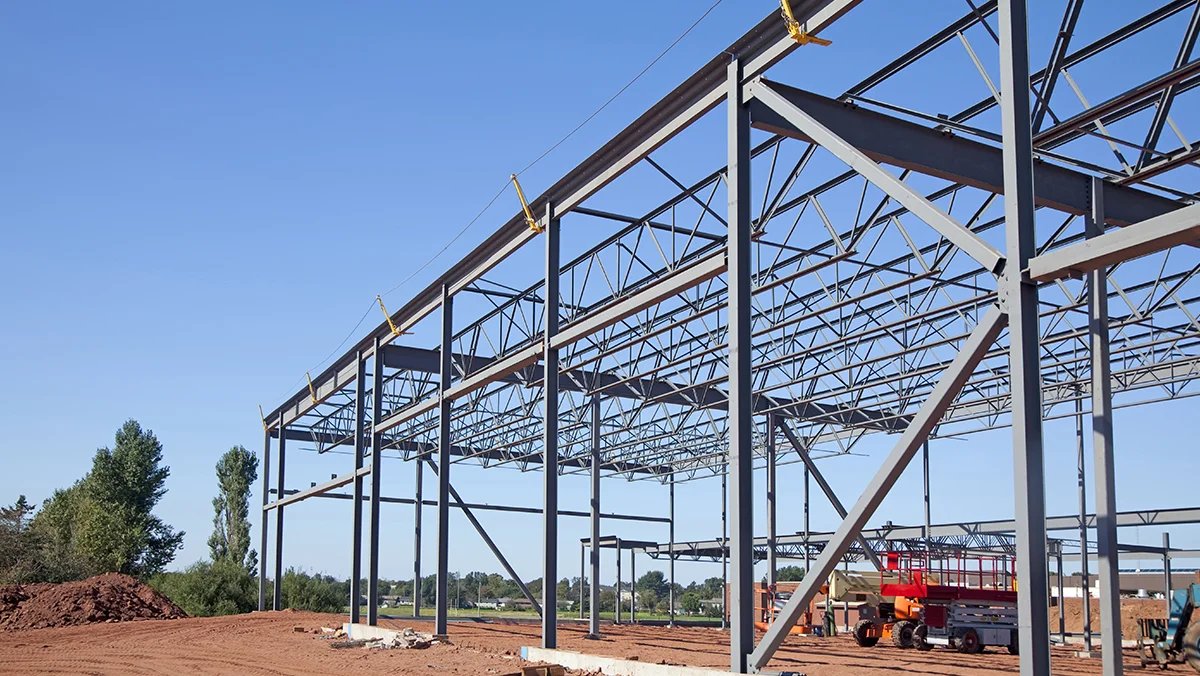
A self-storage facility is one of the lowest-impact commercial uses in a sensitive watershed: low traffic, no process water and a high ratio of roof to parking. Its roof runoff is clean, which simplifies the stormwater design. We build these with simple steel frames, standing-seam roofs and drainage that directs water to a pond rather than the street.
Other quiet uses include small warehouses and equipment shops. For owners in utilities and power, a site near a major water facility often hosts yards for pipe, valves and electrical equipment, and we build those with durable surfaces and secure fencing.
The code set and the water-supply conversation
Aurora's Public Works Building Division lists the 2021 International Building Code and other 2021 I-codes with the 2023 National Electrical Code as its adopted codes, with City of Aurora amendments. A building near the reservoir is designed to that set. Beyond the building code, site plans near a drinking-water supply invite conversation with the water utility about runoff, grading and what is stored on the property, and we start that conversation before the design is final.
Our permitting and entitlements coordination tracks the site plan, the grading permit and any utility review as a single package. Having one person own those threads is what keeps a drainage comment from becoming a three-month delay.
Sequencing earthwork around the weather
Earthwork near a water supply is scheduled around storms. We avoid opening large areas ahead of wet weather, work in phases so only part of the site is exposed at a time and stabilize each phase before moving on. The detention pond and perimeter controls go in first, because they protect everything that follows.
Vertical work follows once the site is stable. Steel and panel deliveries are timed to the pad and base, and paving waits for the pond to be commissioned. A schedule that respects the water usually finishes on time, because it avoids rework from a washed-out slope or a silted outlet.
Far southeast Aurora and the districts around it
The reservoir sits in the far southeastern part of Aurora, and roads out there may be built for lighter traffic than those at the E-470 interchanges. We check road capacity, pavement thickness and turning radii for heavy deliveries before we commit to a schedule, and we route concrete and aggregate trucks away from residential streets where possible.
Owners comparing sites often look at Southlands for retail-adjacent service space and the Cherry Creek State Park area for another open-space neighbor. Each has its own constraints, and we price them side by side.
Show us the drainage path
Send us the parcel and the use, and we will return a drainage concept, a containment plan and a schedule for the reservoir area.
Questions Owners Ask
Why does a drinking-water reservoir change how I build nearby?
The reservoir provides drinking water to the City of Aurora, and only electric boats are permitted to protect water quality. A site that drains toward it should expect close attention to runoff, spill containment and erosion control. We design for that from the first sketch.
What stormwater features should I plan for?
Typical features are detention ponds, sediment forebays, vegetated swales and controlled outlets. Their size depends on the parcel and the reviewing authority's rules. We confirm release rates early and place the features where they serve both grading and water quality.
Can I run a fueling or wash area on a site near the reservoir?
It is usually possible with containment. We design covered, curbed fuel areas, oil and sediment separators and wash bays that drain to a treatment structure. The reviewing authority makes the call, so we ask for guidance before drawings are final.
Which building code applies near the reservoir?
Aurora lists the 2021 International Building Code and other 2021 I-codes with the 2023 National Electrical Code, plus city amendments. We confirm the current edition at the start of design and again at submittal, and we ask the water utility about any site rules beyond the building code.
How do you protect water quality while the site is under construction?
We build the detention pond first so it traps sediment, install perimeter controls before earthwork, store fuel in berms and keep spill kits at each work area. Inspections after storms are logged and corrected the same day.
Related
Related Services
Related Building Types
Related Service Areas
Ready to talk about your project?
Request a Project Review